
Antique vs. Vintage: What’s the Difference
You’re standing in the aisle of a dusty antique market, holding a pretty ironstone pitcher. The tag says “vintage.” The booth next door has a nearly identical one labeled “antique,” and it costs three times as much. So what’s really going on?
If you’ve ever wondered about the difference between antique and vintage, you’re not alone. People toss the two words around like they mean the same thing, but they don’t. Knowing the difference helps you shop smarter, spot a fair price, and decorate your home with pieces that have real story and soul.
Here’s the simple breakdown, plus a few tricks for telling them apart in the wild.
The Short Answer: Age Is the Main Difference
The quickest way to tell antique from vintage is by age:
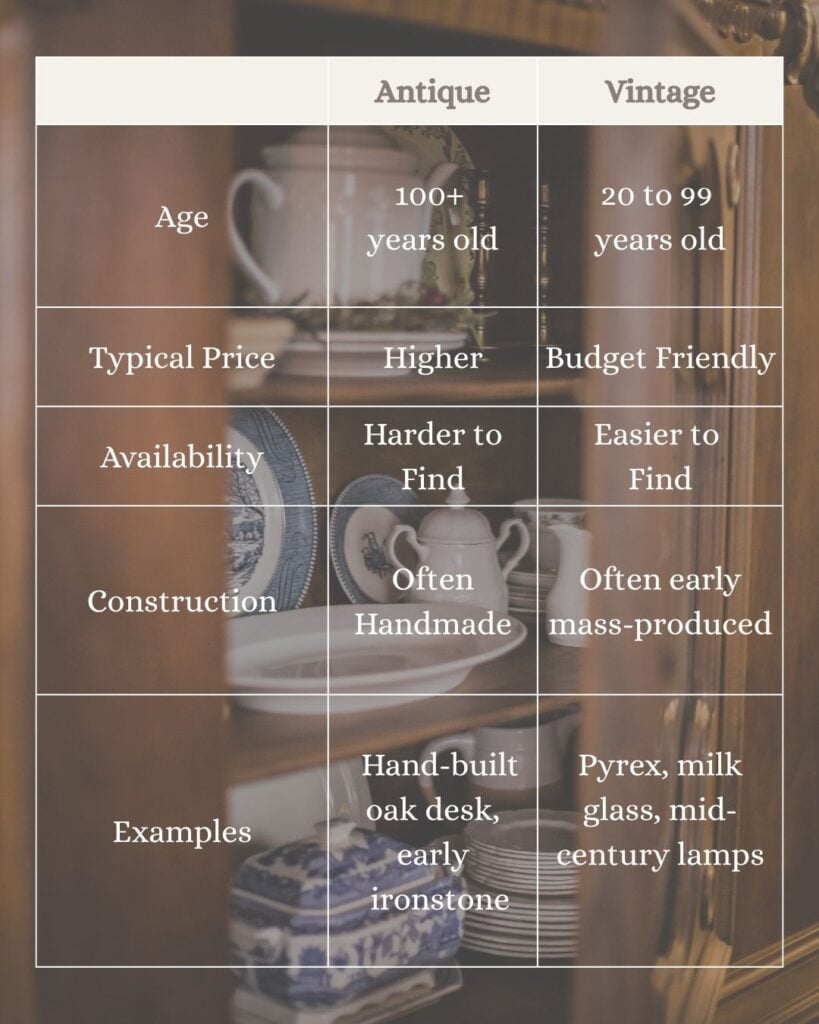
- Antique: An item that is at least 100 years old.
- Vintage: An item that is generally between 20 and 99 years old.
That’s it. A dining chair made in 1910 is an antique. A dining chair made in 1965 is vintage. A chair from last week, made to look old? That’s not antique or vintage—it’s called ‘retro.’ Retro refers to something newly made in an earlier era’s style. We’ll get to that in a minute.
What Is an Antique?
An antique is a piece that has been around for a century or more. Because the cutoff rolls forward every year, items considered vintage a decade ago slowly cross into antique territory. (Yes, that means pieces from 1926 are antiques as of this year.)
Common antique finds include:
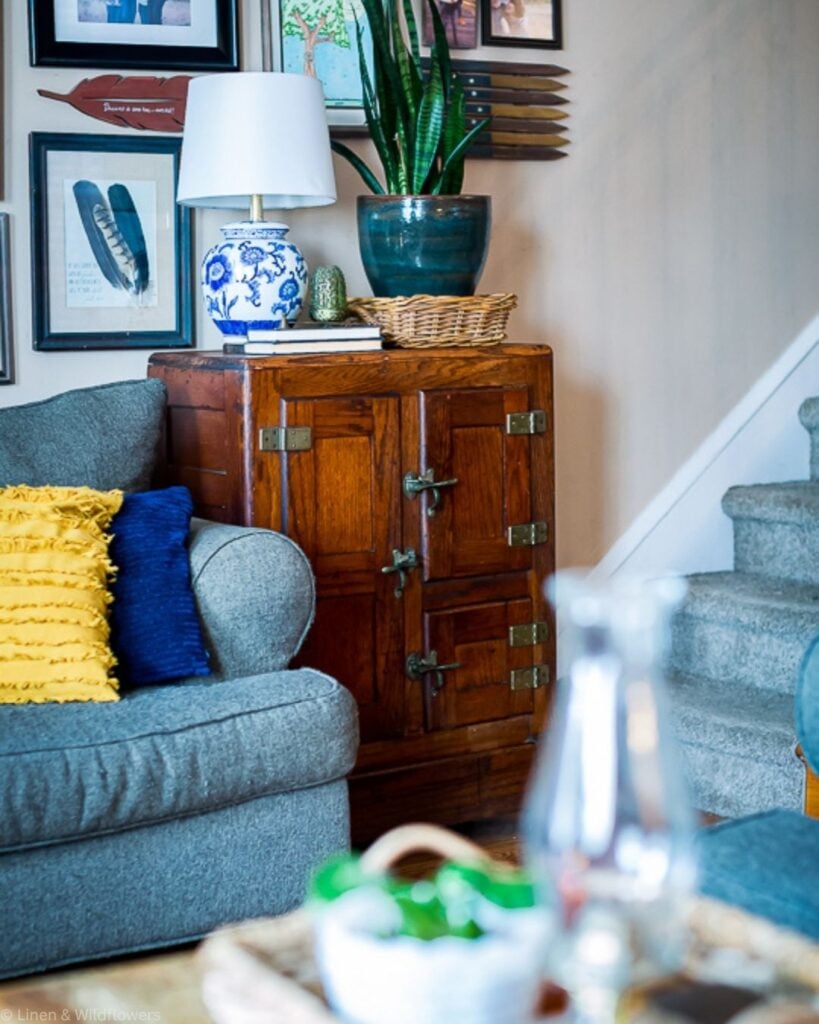
- Hand-built oak furniture, like pie safes, washstands, and secretary desks
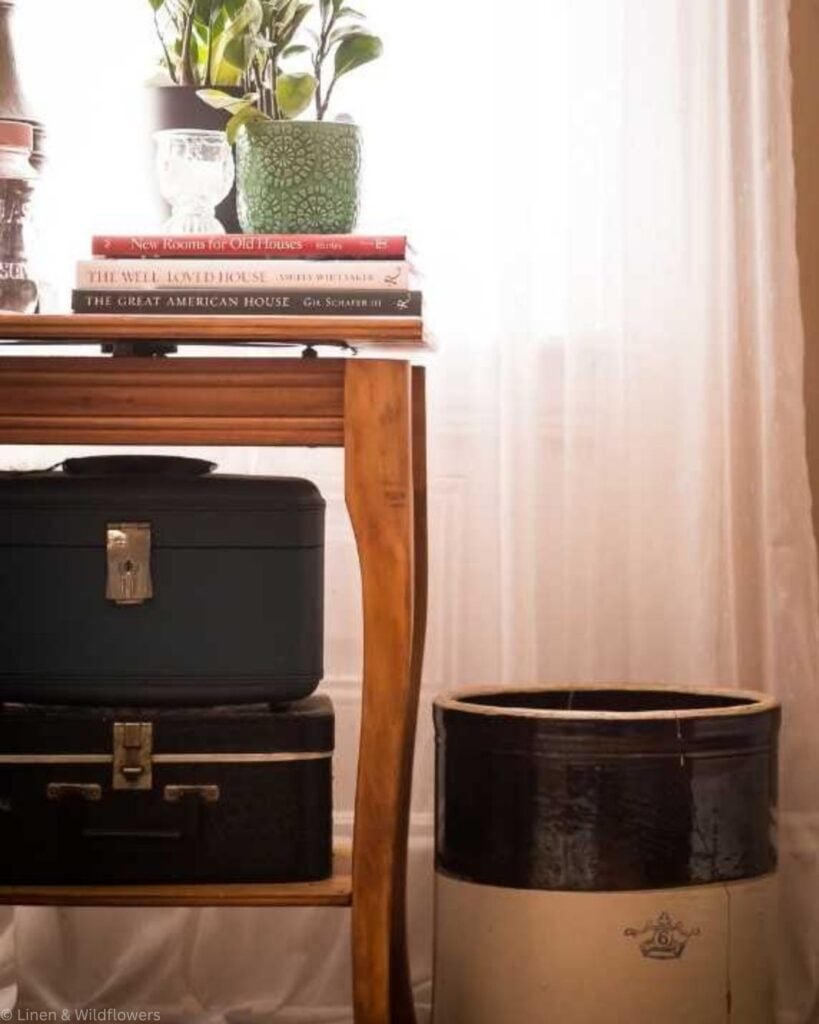
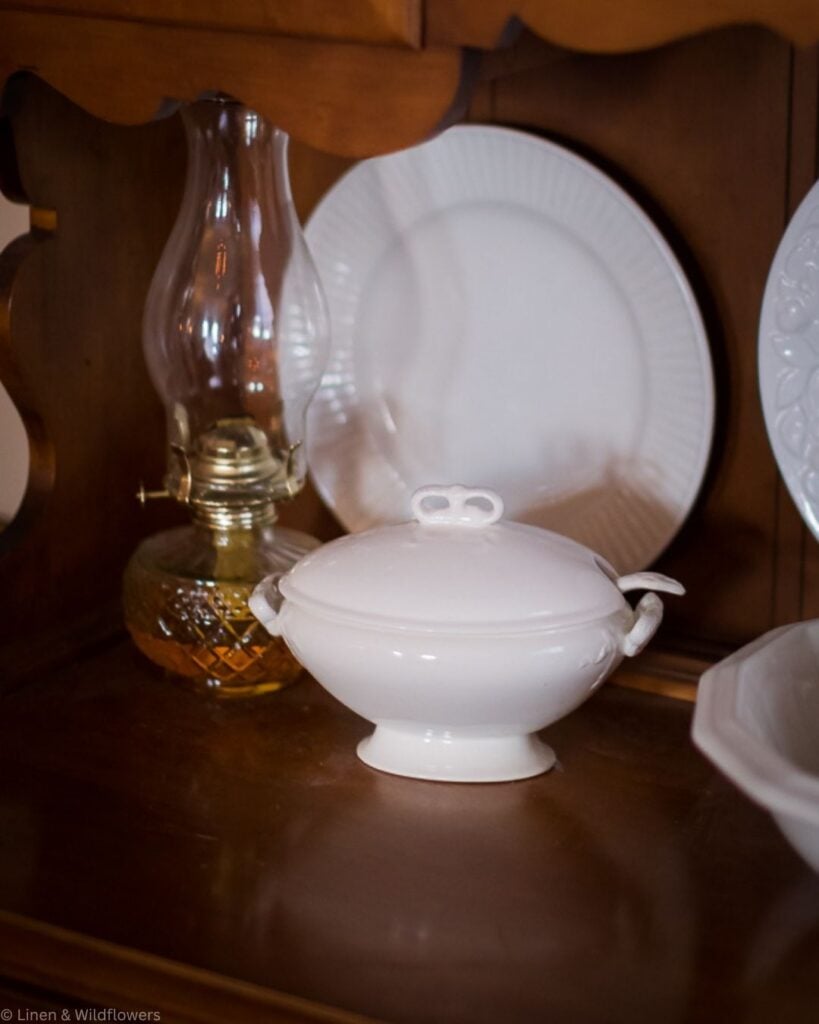
- Early ironstone, transferware, and stoneware crocks
- Hand-blown glass and early pressed glass
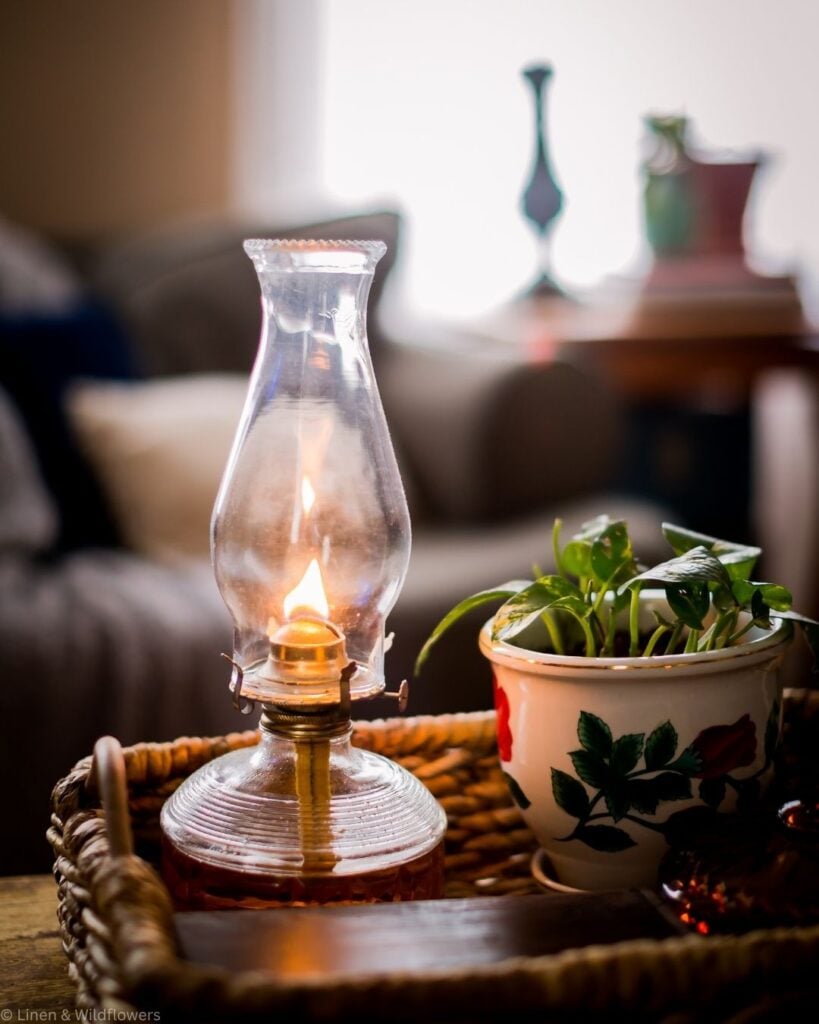
- Oil lamps and kerosene lanterns
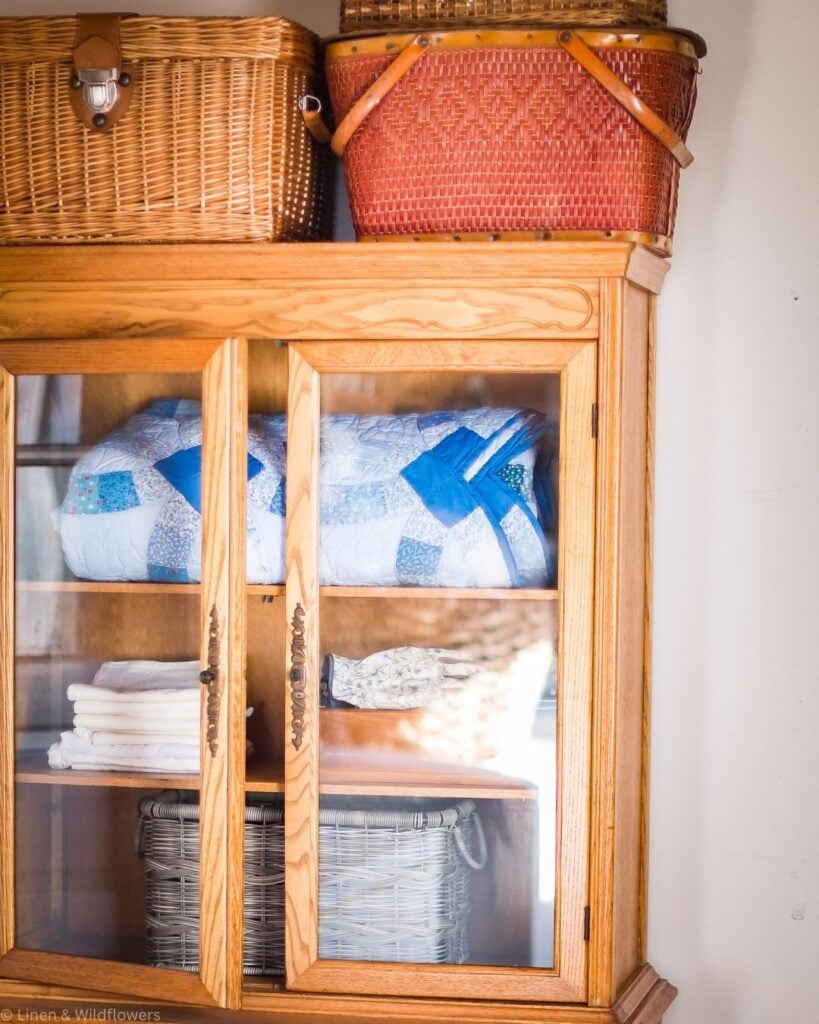
- Quilts, linens, and hand-stitched textiles
- Early wooden tools, butter molds, and baskets
Antiques often show true craftsmanship: hand-cut joinery, natural materials, and a deep patina that comes from decades of use. They’re often one of a kind, and prices reflect that.
What Is Vintage?
Vintage describes something that’s at least 20 years old but not yet 100. Many collectors use the word to point to a specific era, like “1950s vintage” or “mid-century vintage,” which tells you not just the age but the style.
Common vintage finds include:
- Milk glass and Fire-King dishes
- Pyrex mixing bowls and casserole dishes
- Mid-century wooden furniture and teak accents
- Brass candlesticks and mid-century lamps
- Wicker baskets and rattan pieces
- Retro kitchen canisters and enamelware
- Framed botanical prints and thrifted artwork
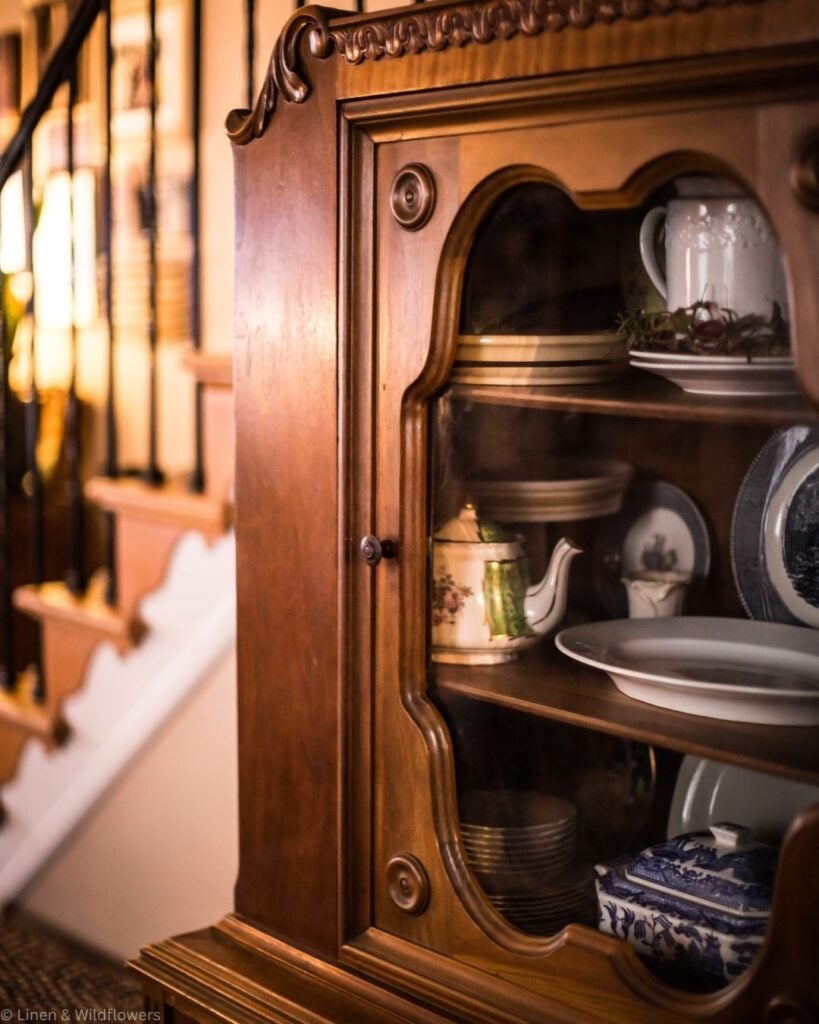
Vintage pieces are usually easier to find and easier on the wallet, which is why they’re a favorite for anyone building a cozy, collected home without spending a fortune.
What About Retro, Reproduction, and Secondhand?
These terms get mixed up, too, so here’s a quick cheat sheet.
- Retro: Something made recently (or not long ago) that imitates the style of an earlier era. A new refrigerator in a 1950s pastel color is retro, not vintage.
- Reproduction: A newer copy of an older design sometimes sold honestly and sometimes passed off as the real thing. Always worth a closer look.
- Secondhand or used: Any item that’s had a previous owner, regardless of age. A 3-year-old couch from a yard sale is secondhand, not vintage.
- Collectible: Something people actively seek out, whether or not it’s old. A limited-edition item from 15 years ago may be collectible but not yet vintage.
Antique vs. Vintage at a Glance
How to Tell If Something Is Antique or Vintage
Tags and booth signs aren’t always accurate, so a little detective work pays off. Here’s what to look for.
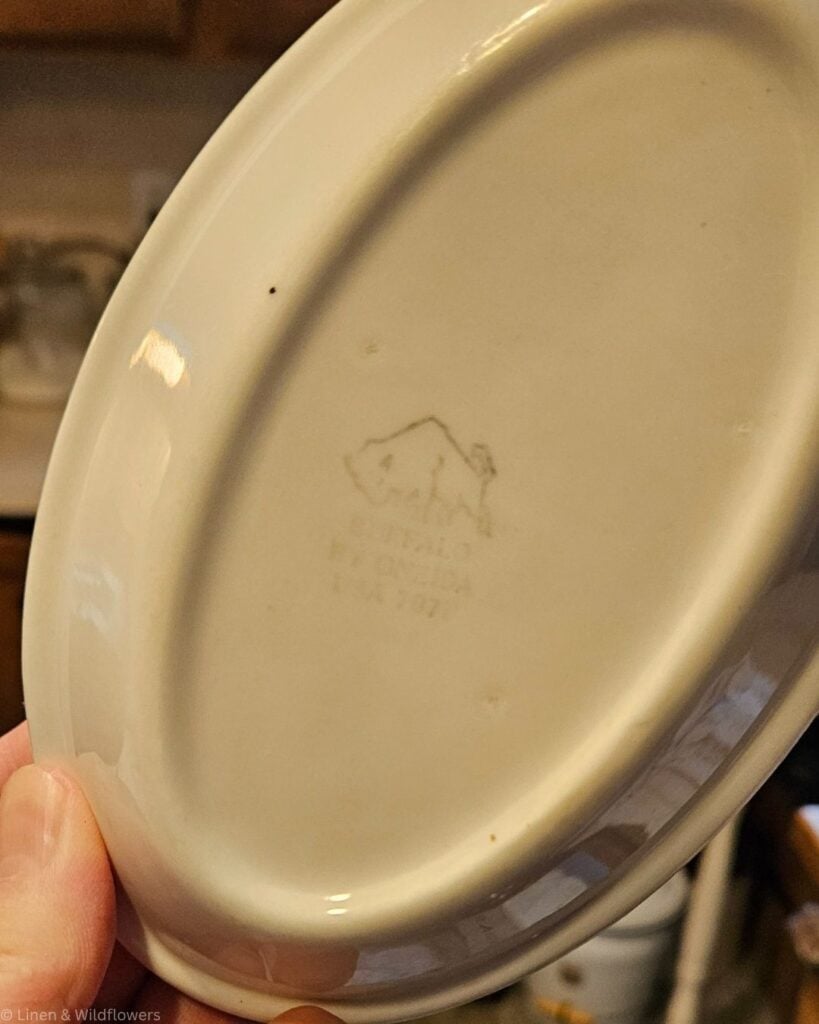
- Check for maker’s marks and stamps: Flip it over. Pottery, glass, silver, and furniture often carry stamps, hallmarks, or labels you can look up to find the date range.
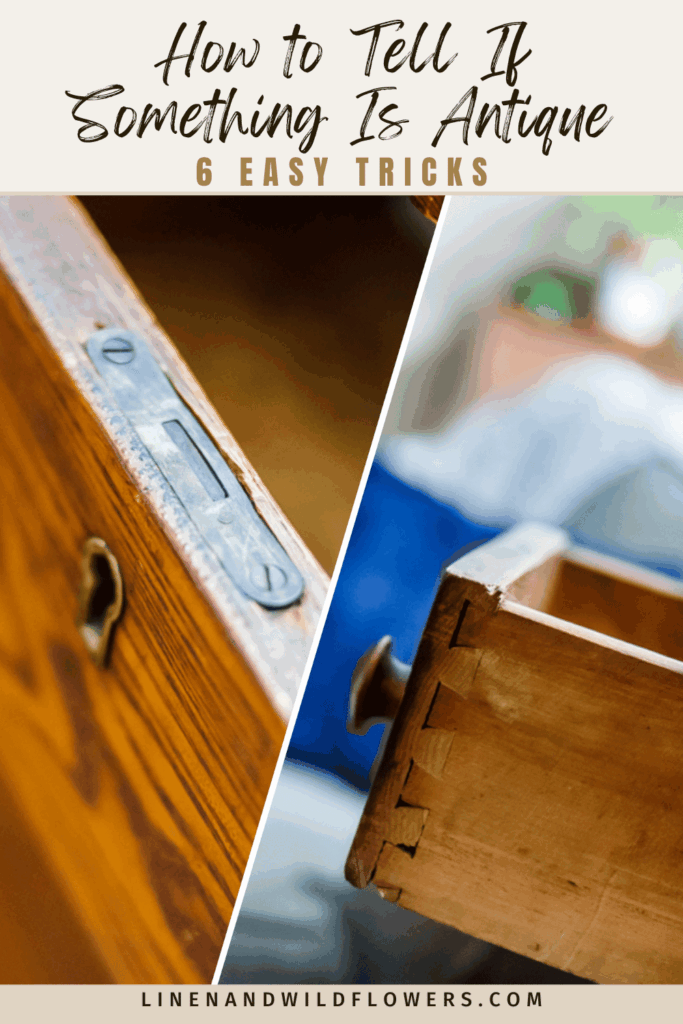
- Look at how it was built: On wooden furniture, hand-cut dovetail joints (slightly uneven and spaced irregularly) point to an older piece. Machine-cut dovetails are perfectly uniform and usually mean a later date.
- Inspect the screws and hardware: Slotted screws with uneven slots and hand-forged nails suggest an older item. Phillips-head screws came along much later, so they likely point to something vintage or newer.
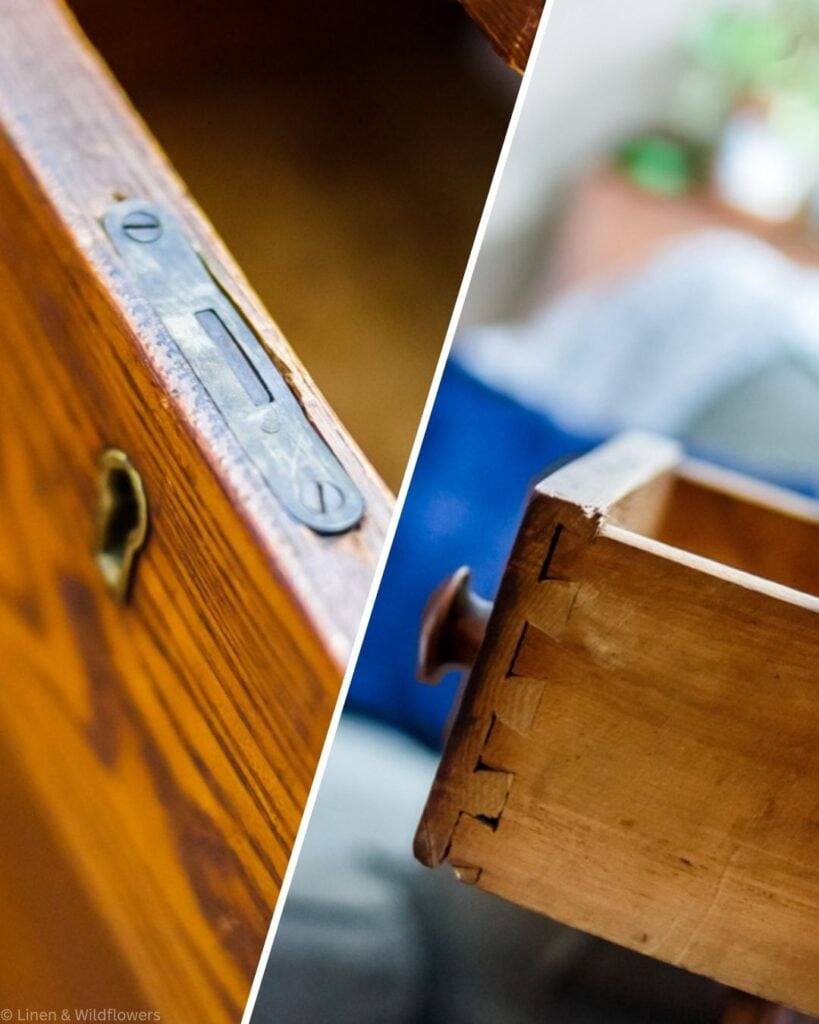
- Feel for natural wear: Genuine age shows up in the right places: smoothed edges on drawer pulls, softened corners on tabletops, and wear on chair bottoms. Wear that looks too even or too perfect is often artificial distressing.
- Trust your nose and your eyes: Old wood has a distinct, dry, slightly sweet smell. Original finishes look different from fresh paint, with a soft depth that’s hard to fake.
- Do a quick search: When in doubt, snap a photo and compare it to listings or reference guides. A few minutes of research can save you from overpaying.
Is Antique or Vintage Better for Your Home?
Neither is better. It really depends on your style, budget, and how you plan to use the piece. Choose antique when you want a true heirloom, appreciate hand craftsmanship, or hope the piece may hold or grow in value.
Choose vintage when you’re decorating on a budget, you want something sturdy and usable every day, or you love the charm of a particular era without the antique price tag.
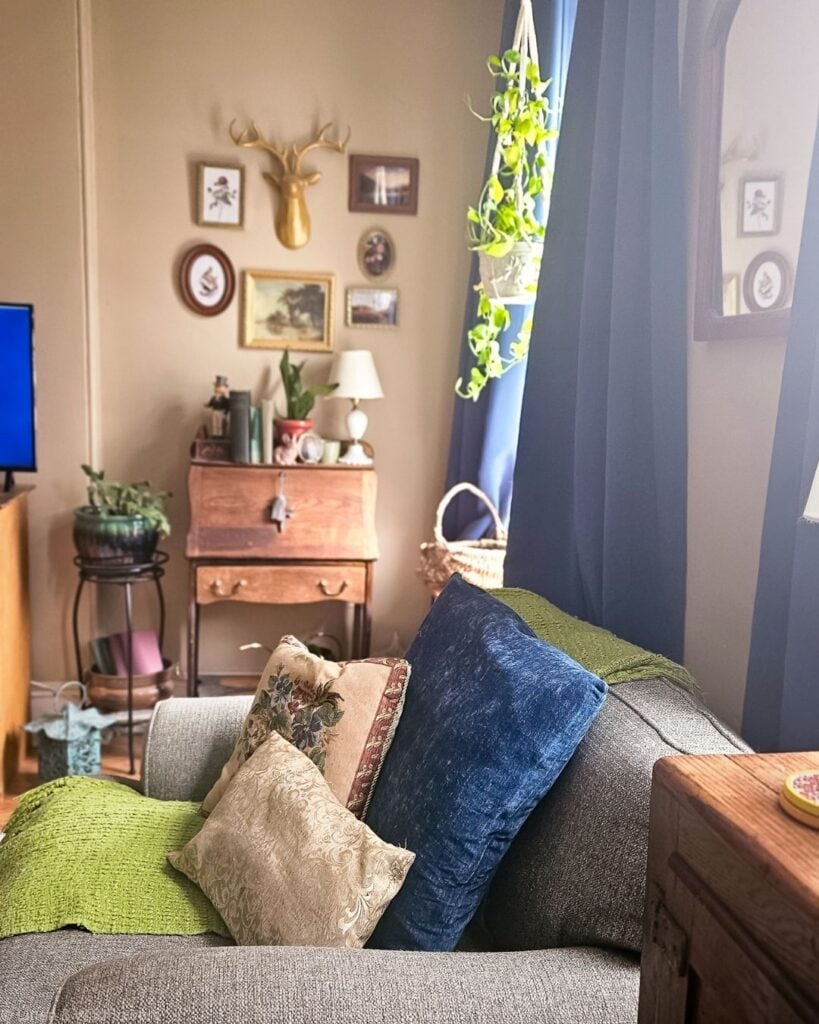
The best-looking homes mix both. Picture an antique oak secretary desk holding a vintage milk glass lamp, with thrifted frames on the wall above. That layered, collected look is what makes a home feel warm and lived in.
Love Vintage Style?
Download my free eBook: Decorating with Thrifted & Antique Finds! It’s perfect for keeping in your bag on your next thrift trip!
Tips for Shopping Antique and Vintage on a Budget
- Start at thrift stores and estate sales. Prices are usually lowest, and you can find real treasures if you go often.
- Visit antique markets near closing time. Vendors are often more open to negotiating.
- Look past the dirt. A good cleaning, some wax, or a new coat of care can transform a tired piece.
- Buy what you love. Trends fade, but a piece you truly love will always earn its place in your home.
- Ask questions. A good dealer will happily tell you what they know about an item’s age and origin. Try asking specifics like, “Do you know who made this piece?” or “Has it been restored or repaired?” You might also ask, “Where was it found?” or “Can you tell me about its history or previous owners?” The more you ask, the more confident you’ll feel in your find.
How to Care for Antique and Vintage Pieces
Older pieces last for generations when you treat them gently.
- Dust with a soft, dry cloth, and skip harsh chemical cleaners.
- Keep wood furniture out of direct sunlight and away from heat vents.
- Wash vintage glass and ironstone by hand with mild soap.
- Use felt pads under lamps, vases, and decor to protect surfaces.
- Avoid putting antique or vintage dishes in the dishwasher or microwave.
More Posts You’ll Fancy!
Frequently Asked Questions
Final Thoughts
Once you know the difference between antique and vintage, thrifting gets more fun. You’ll walk into a market, scan the shelves, and know what you’re looking at and what it should cost.
Whether your heart belongs to a hundred-year-old pie safe or a 1960s milk glass vase, the best pieces have a story. Start small, shop often, and fill your home with things you love. Keep exploring, and let each find add more character to your home.
What’s your favorite antique or vintage find? Share it in the comments below!