
How to Create a Collected Home on a Budget
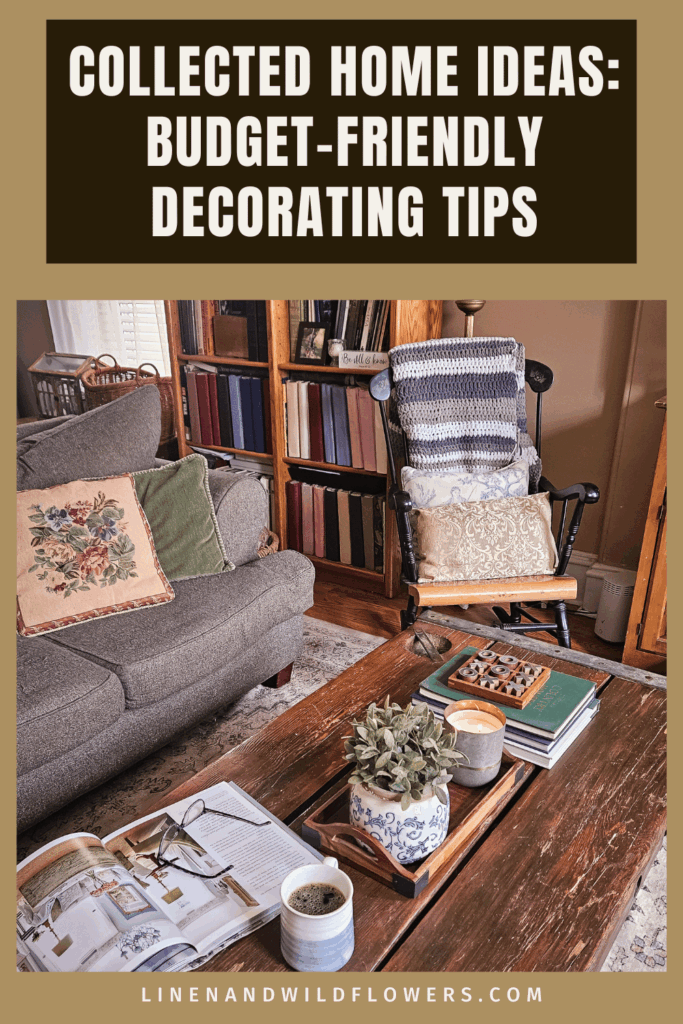
If you’ve ever admired homes that feel warm, layered, and full of character, you may have wondered how to create a collected home on a budget. The good news is that creating this timeless look doesn’t require expensive furniture or the need to decorate an entire room all at once.
A collected home is built slowly through meaningful pieces, thrifted treasures, antique finds, family heirlooms, and items that tell a story. Over time, these thoughtful additions create a space that feels welcoming, personal, and beautifully lived in.
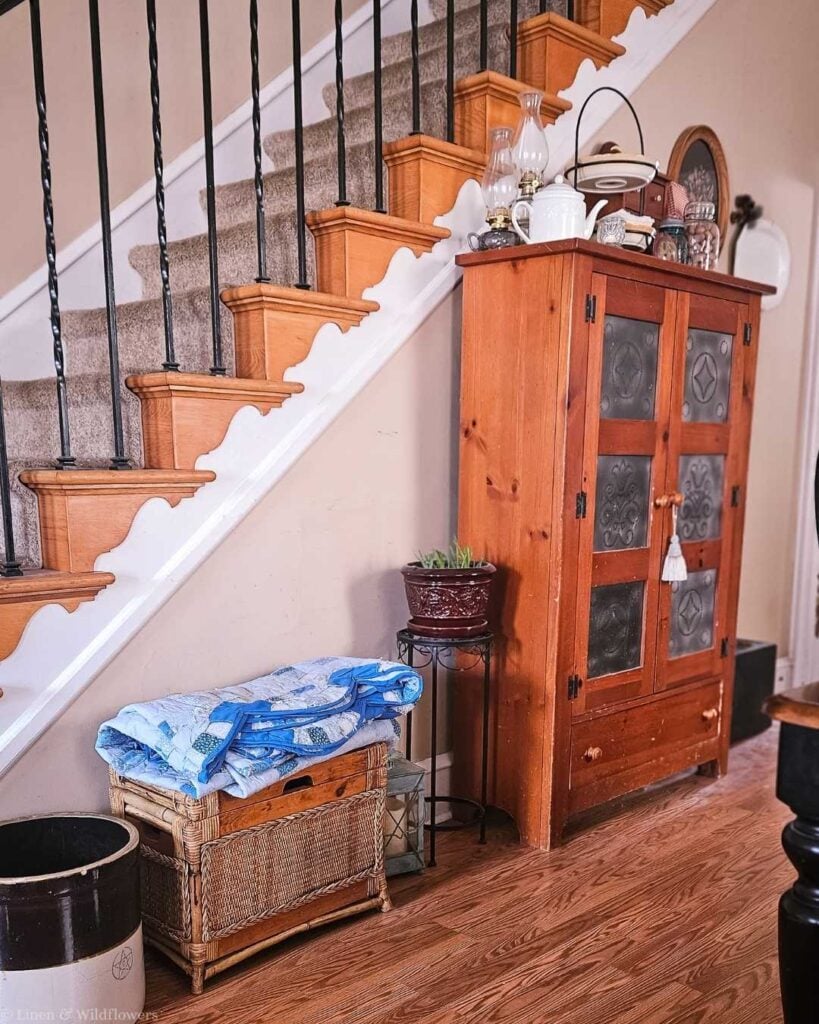
There’s something special about walking into a home that feels collected rather than decorated. A collected home tells a story. It reflects years of gathered treasures, meaningful finds, family heirlooms, and pieces chosen with intention, not all purchased on a single shopping trip.
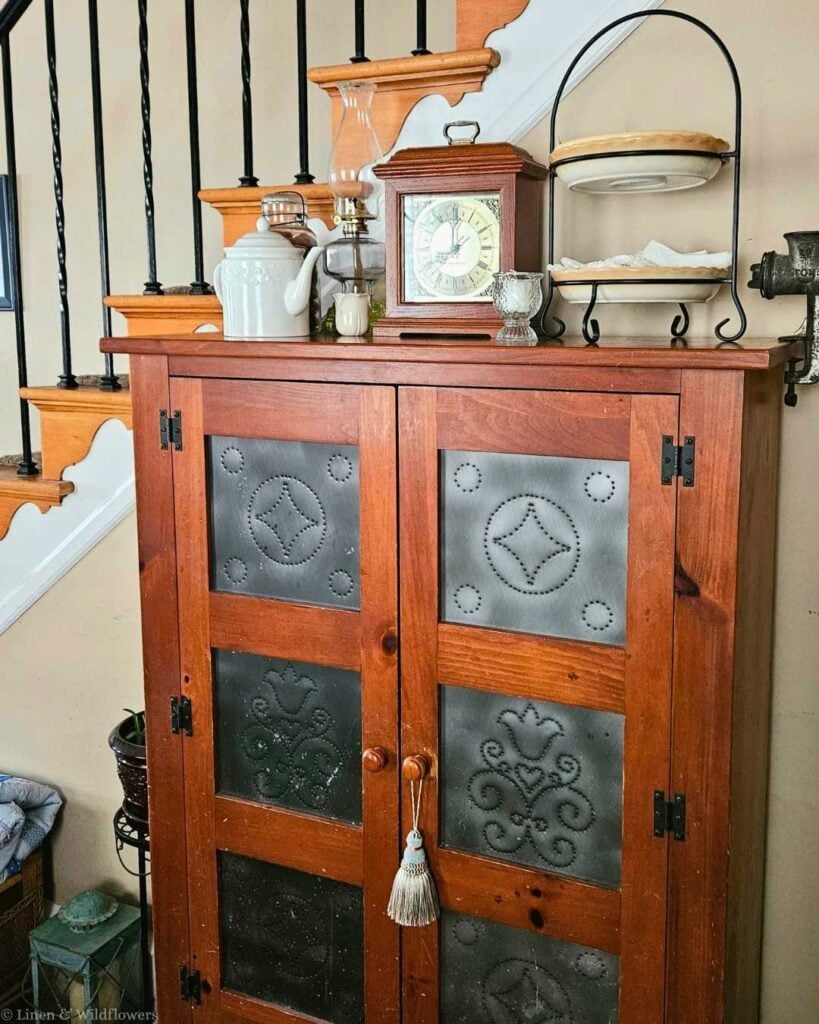
The good news? Creating this look doesn’t require a large budget. In fact, some of the most charming homes are built slowly over time through thrifted finds, antique treasures, secondhand pieces, and thoughtful styling.
In this post, I’m sharing simple ways to create a collected home while staying within budget and embracing the beauty of decorating intentionally.
What Is a Collected Home?
A collected home is layered, personal, and filled with pieces that feel meaningful instead of perfectly matched.
Rather than buying an entire room set, collected homes mix:
- Antique and vintage finds
- Thrifted décor
- Handmade items
- Family heirlooms
- Practical everyday pieces
- Seasonal touches
The goal isn’t perfection—it’s creating a home that feels lived in, welcoming, and uniquely yours.
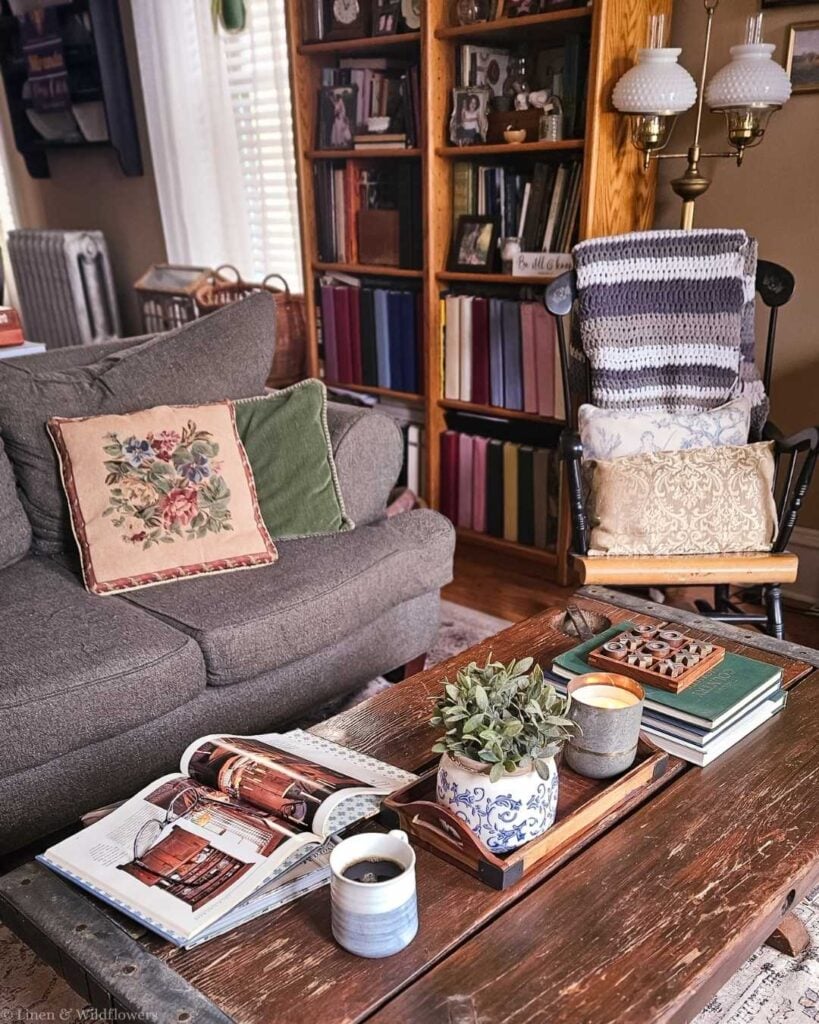
1. Start with What You Already Own
Before buying anything new, shop your own home.
Walk room to room and gather items that:
- Has sentimental meaning
- Add texture or warmth
- Can be repurposed elsewhere
- Fit the style you want to create
Try moving artwork, baskets, lamps, books, and decorative pieces into new spaces. Sometimes a collected look begins with simply rearranging what you already have.
2. Embrace Slow Decorating
One of the biggest mistakes people make is trying to finish a room all at once. Collected homes develop gradually.
Give yourself permission to:
- Wait for the right piece
- Leave space empty for a while
- Build collections over time
- Mix styles instead of matching everything
Slow decorating often saves money and results in a home with more personality.
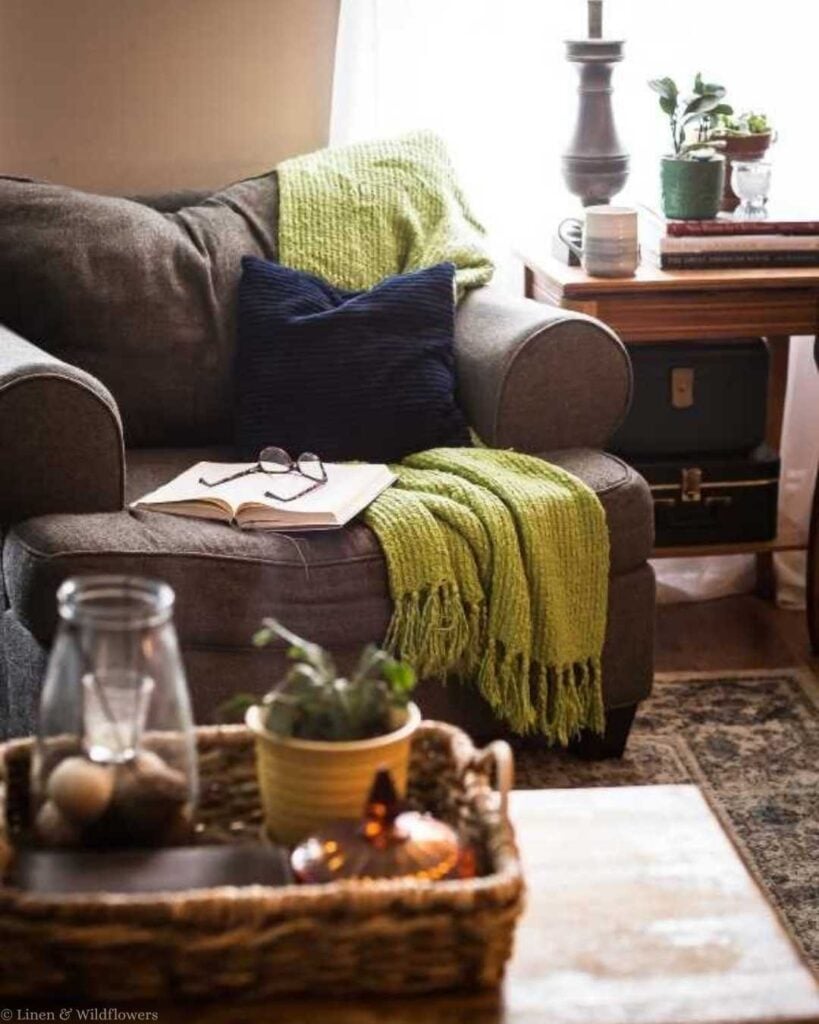
3. Learn What to Look for at Thrift Stores
Thrift stores can be among the best places to build an affordable, collected home.
Keep an eye out for:
Quality Materials
Choose:
- Solid wood
- Glass
- Brass
- Iron
- Linen
- Stoneware
- Natural fibers
Skip pieces that feel flimsy or overly trendy.
Timeless Decorative Pieces
Look for:
- Wooden bowls
- Baskets
- Candleholders
- Frames
- Vintage books
- Mirrors
- Lamps
- Crocks and pottery
- Small stools
Hidden Potential
Don’t overlook:
- Tarnished brass
- Frames needing paint
- Lamps needing shades
- Furniture needing polish
A little cleaning can transform a piece.
Thrifting Tip: Visit often. Inventory changes daily, and some of the best finds appear unexpectedly.
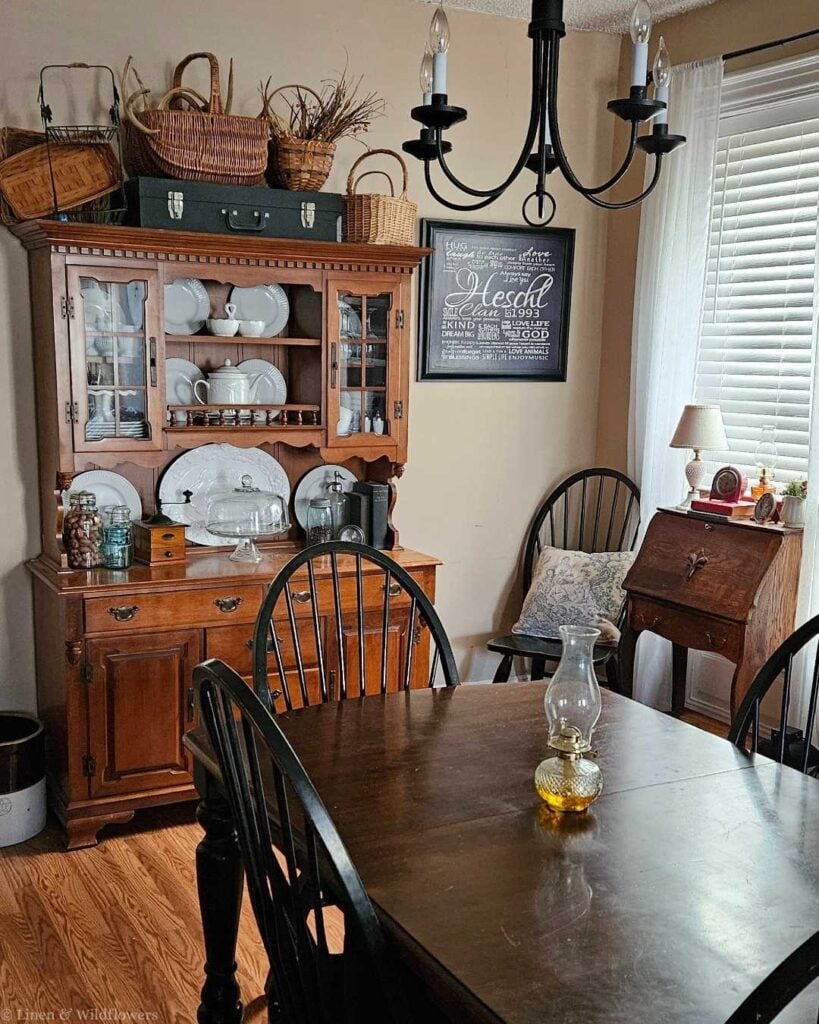
4. Explore Antique Shops with Intention
Antique shops can feel overwhelming at first. Instead of buying randomly, create a short wish list.
Ideas:
- Vintage artwork
- Wooden furniture
- Ironstone
- Crocks
- Old books
- Quilts
- Architectural salvage
- Transferware
- Vintage baskets
Walk every booth before purchasing. Prices vary widely, and patience often pays off. To help stay on budget, consider setting a spending limit before you shop or bringing cash with you instead of a card.
This makes it easier to track your spending and avoid impulse buying.
5. Don’t Overlook Estate Sales, Yard Sales & Marketplace Finds
Some of the best pieces for the home aren’t found in stores.
Try:
- Estate sales for furniture and vintage décor
- Yard sales for baskets, linens, and garden items
- Church rummage sales
- Flea markets
- Local online marketplaces
- Habitat ReStore locations
Shopping secondhand often stretches your decorating budget while adding character.
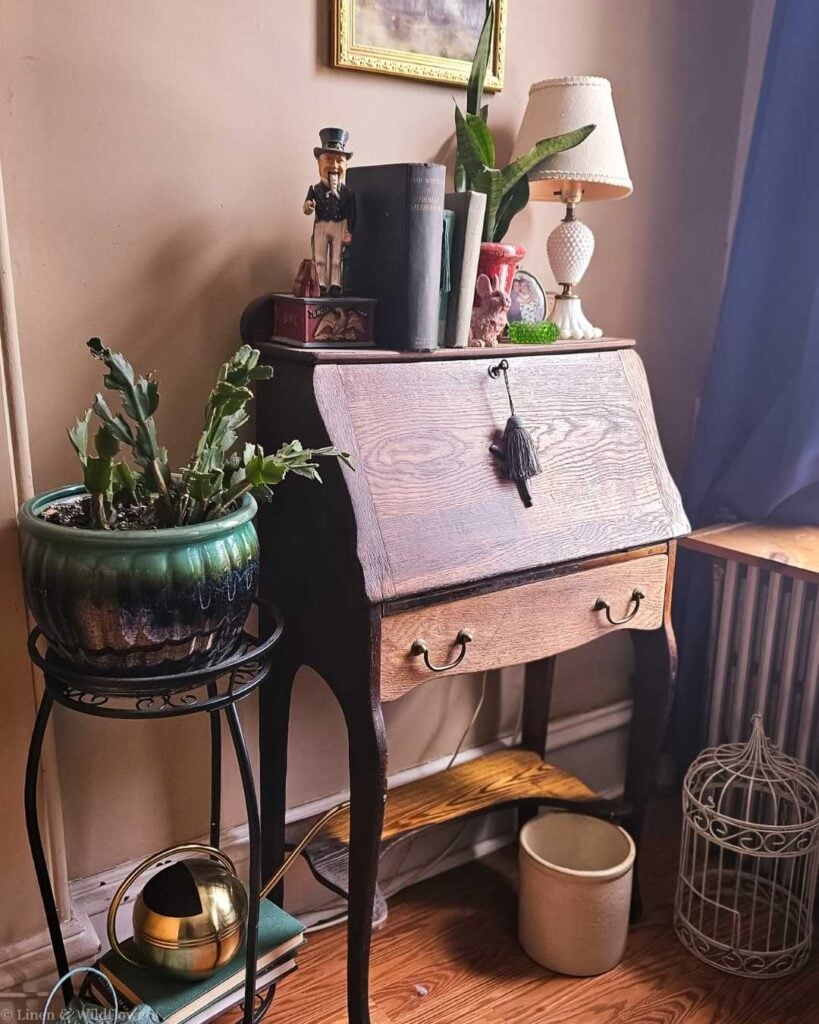
6. Mix Old with New
A collected home doesn’t mean everything needs to be antique.
Mix:
- Vintage artwork with newer frames
- Antique furniture with simple textiles
- Thrifted décor with modern lighting
- Handmade items with practical basics
Contrast creates interest and keeps spaces from feeling overly themed.
7. Create Small Collections Instead of Clutter
Collections feel intentional when grouped thoughtfully.
Try collecting:
- Ironstone pitchers
- Vintage books
- Wooden cutting boards
- Brass candlesticks
- Transferware
- Crocks
- Woven baskets
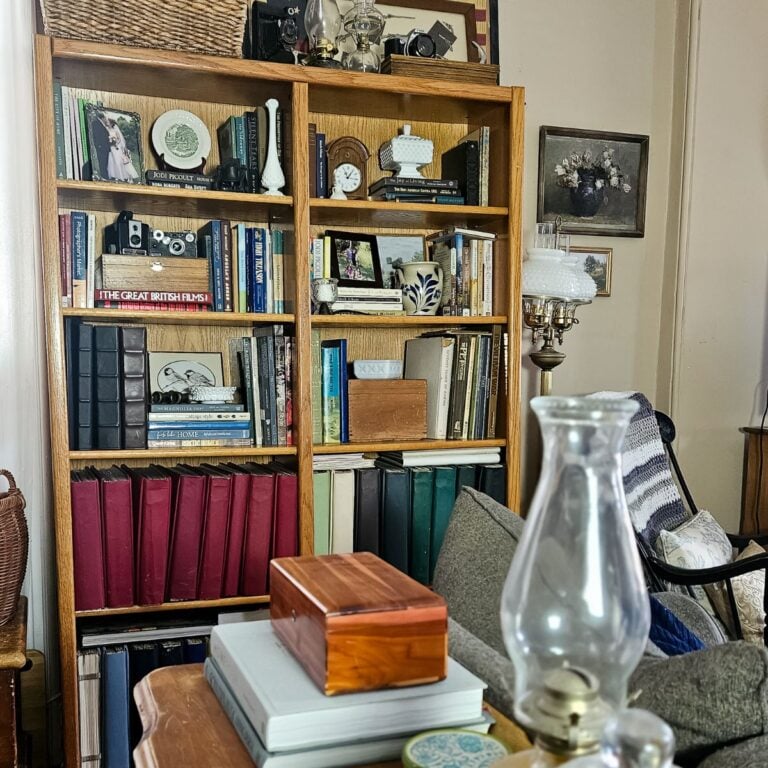
Display similar items together for a cozy, curated look.
8. Focus on Layers, Not More Stuff
Collected homes often feel rich because of layers, not quantity.
Add warmth through:
- Textiles
- Lighting
- Natural materials
- Books
- Seasonal greenery
- Mixed textures
Sometimes one meaningful piece creates more impact than ten decorative items.
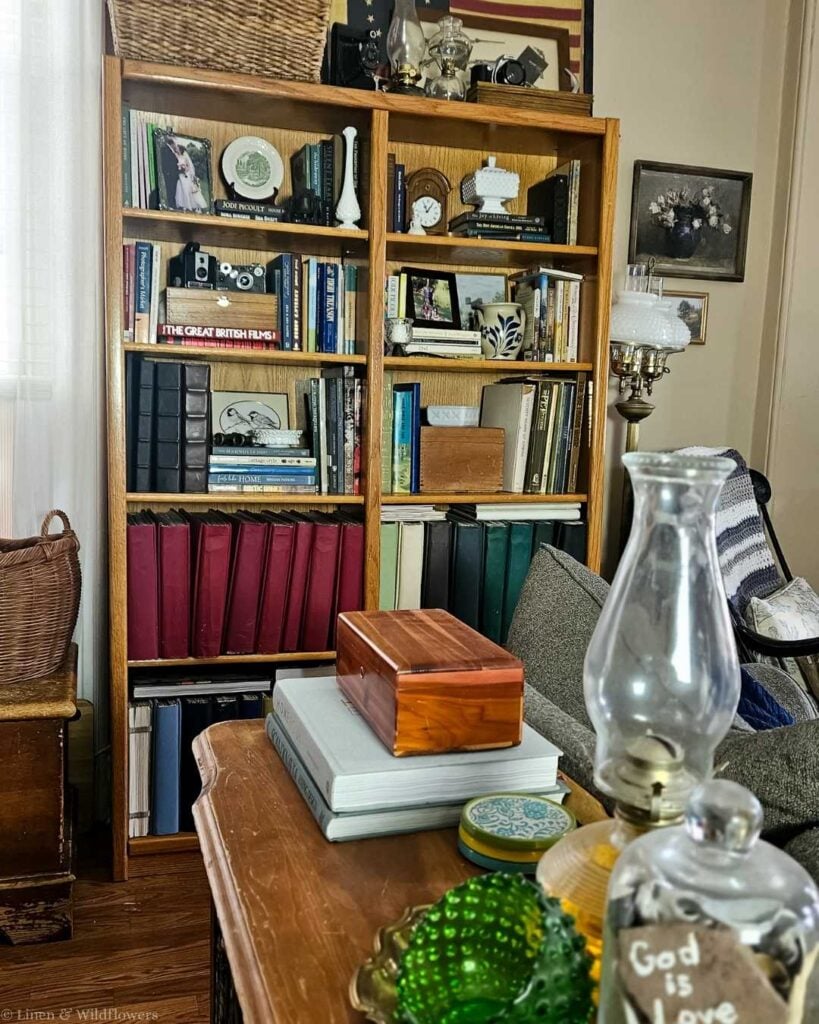
Why I Love Decorating with Meaningful & Collected Pieces
One of my favorite parts of creating a collected home is surrounding myself with pieces that tell a story. While I enjoy thrifting and discovering unique treasures, the items I treasure most are often the heirlooms passed down through the family.
There’s something incredibly special about displaying pieces that once belonged to someone I love, objects that carry memories, history, and a sense of connection across generations.
Whether it’s an old bowl, furniture piece, framed photo, or something simply used in everyday life, these meaningful items remind me that a home doesn’t need to be filled with expensive décor to feel beautiful. Sometimes the most treasured pieces are the ones that hold a story.
More Posts You’ll Fancy!
Frequently Asked Questions
Final Thoughts
Creating a collected home on a budget isn’t about finding perfection. It’s about slowing down, choosing pieces with intention, and allowing your home to evolve over time.
If you are just beginning your journey, remember that every small step counts. Each thoughtful addition and small change brings you closer to a home that feels warm and truly your own. Enjoy the process, trust your instincts, and celebrate the progress you make along the way.
Some of the most beautiful homes aren’t designed in a weekend, they’re gathered little by little through everyday moments and meaningful finds. Your home doesn’t need to look finished to feel beautiful.