
25 Frugal Living Tips to Save Money at Home

Running a home efficiently is one of the most valuable, and underrated, skills a person can have. Every day, homemakers juggle endless to-do lists, from keeping the household running smoothly to balancing work, family needs, and ever-present time pressures. That’s exactly why we put together these 25 Frugal Living Tips to Save Money at Home, practical, real-world strategies that fit into your already busy life.
Whether you’re managing a tight budget or simply want to make the most of every dollar, knowing how to save money at home can make a real difference for your family’s financial future.
The good news? Small, consistent changes add up fast. This guide covers 25 proven, practical tips that real homemakers use every day to stretch their household budgets without sacrificing comfort or quality.
Meal Planning & Grocery Savings
1. Plan Your Meals a Week at a Time
Meal planning is one of the single most effective ways to cut household expenses. When you know what you’re cooking each week, you only buy what you need, which means less food waste and fewer impulse purchases at the store.
How to start: Every Sunday, plan 5–7 dinners, write your grocery list from that plan, and stick to it.
Sample Starter Meal Plan:
- Monday: Spaghetti with marinara sauce and a side salad
- Tuesday: Stir-fried vegetables with tofu and rice
- Wednesday: Grilled chicken with roasted potatoes and steamed broccoli
- Thursday: Black bean tacos with corn and tomato salsa
- Friday: Homemade vegetable soup and bread
Keeping the meal plan simple at first makes it easy to build the habit and see savings right away.
2. Shop Your Pantry First
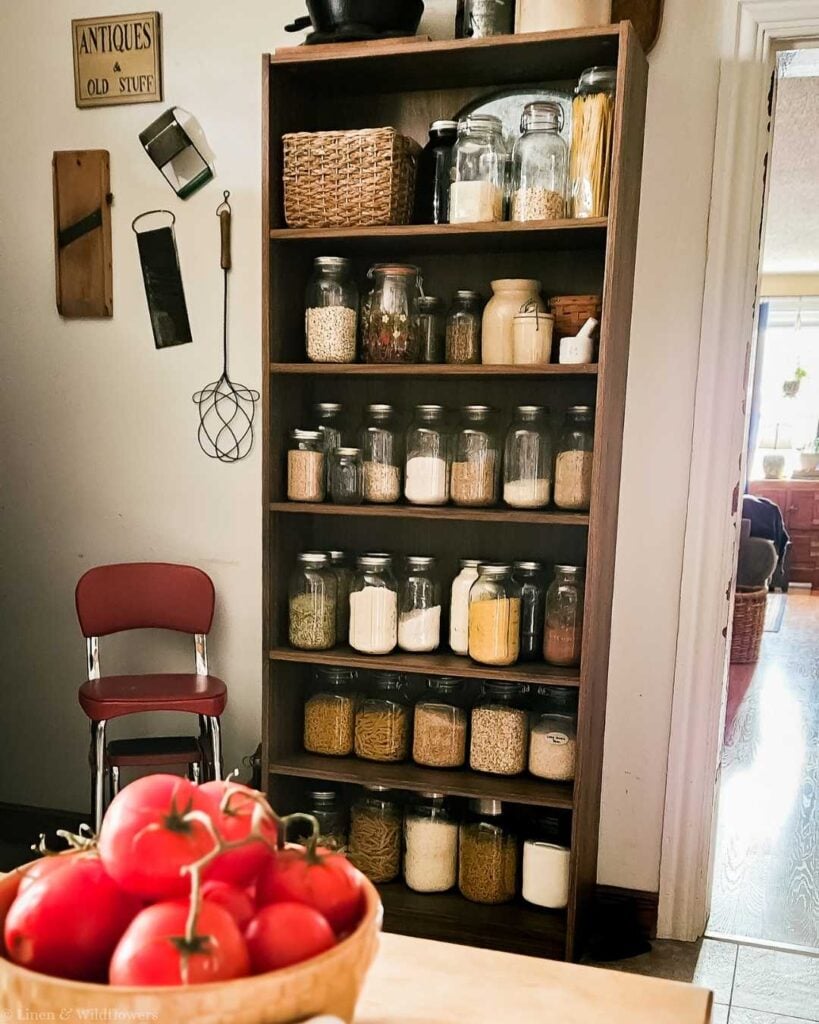
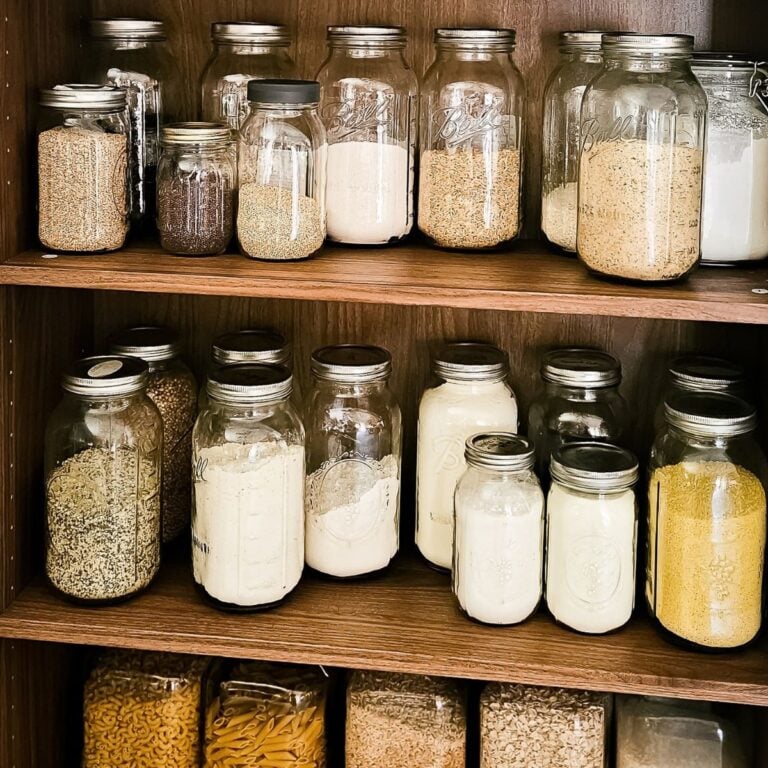
Before heading to the grocery store, do a full inventory of what you already have. Canned beans, pasta, frozen chicken, and pantry staples can become complete meals with a little creativity.
This habit alone can save many families $50–$100 per month.
Quick Pantry Checklist to Make Inventory Easy:
- Grains (rice, pasta, oats, flour)
- Canned goods (beans, tomatoes, vegetables, soups)
- Proteins (frozen meats, eggs, tofu, canned fish)
- Dairy or dairy alternatives
- Condiments and sauces
- Spices and seasonings
- Freezer foods (vegetables, fruit, bread)
Jot down what you have in each group so you can plan meals around these supplies first. Taking a few extra minutes to check these basics will save you money and reduce food waste.
3. Buy Generic and Store Brands
Store-brand products are often made by the same manufacturers as name brands, just with a different label. On staples like flour, sugar, canned goods, spices, and dairy, switching to generic can save 20–40% without any difference in quality.
4. Use a Grocery Price Book
A price book is a simple notebook (or spreadsheet) where you track the regular and sale prices of items you buy often. Over time, you’ll know exactly what a “good deal” looks like and can stock up strategically when prices hit their lowest.
5. Cook From Scratch More Often
Pre-packaged and convenience foods come with a hefty markup. Learning to make basics from scratch, bread, salad dressings, sauces, baked goods, dramatically lowers your food costs and usually tastes better, too.
6. Embrace Meatless Meals
Meat is typically the most expensive item in any grocery cart. Incorporating 2–3 meatless dinners per week with beans, lentils, eggs, or tofu can significantly cut your grocery bill. Think hearty soups, pasta dishes, and grain bowls.
7. Freeze Before It Goes Bad
Make the most of your freezer. Bread, bananas, meat, shredded cheese, herbs, and even leftover soups freeze beautifully. Getting in the habit of freezing food before it spoils eliminates one of the biggest household money drains: food waste.

Household & Cleaning Savings
8. Make Your Own Cleaning Products
Most all-purpose cleaners, window sprays, and scrubbing pastes can be made at home for a fraction of the cost using simple ingredients like white vinegar, baking soda, castile soap, and essential oils.
A basic DIY all-purpose cleaner costs just a few cents per spray bottle.
Simple All-Purpose Cleaner Recipe:
- 1 cup water
- 1 cup white vinegar
- 15 drops of tea tree essential oil
- 10 drops lavender essential oil
9. Switch to Reusable Cleaning Cloths
Paper towels and disposable cleaning wipes are convenient, but expensive and wasteful. A stack of cut-up old T-shirts or inexpensive microfiber cloths can replace them entirely.
After use, simply toss your reusable cloths in the laundry with hot water and regular detergent to keep them clean and fresh. Wash and reuse indefinitely, most people keep a small bin handy for used cloths/rags and run a load whenever needed.
10. Dilute Your Dish Soap and Laundry Detergent
Many concentrated soaps and detergents can be diluted and still work effectively. Try filling your dish soap dispenser halfway with soap and halfway with water.
For laundry, use slightly less than the recommended amount; most of us use far more than needed.
11. Line Dry Laundry When Possible
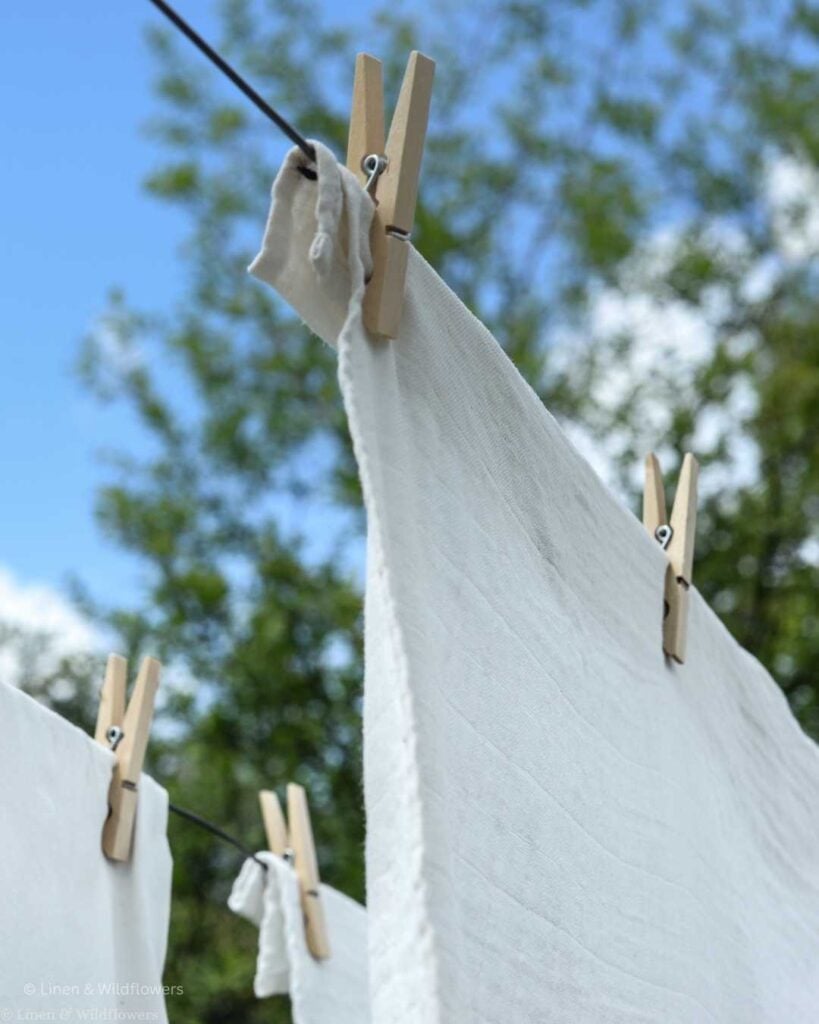
Your clothes dryer is one of the biggest energy consumers in your home. Line drying, even indoors on a drying rack, can noticeably lower your electric bill and is gentler on your clothing, helping it last longer.
12. Do Full Loads Only
Whether it’s the dishwasher or the washing machine, always wait for a full load before running a cycle. Running half loads wastes both water and electricity.

Energy & Utility Savings
13. Lower Your Thermostat by a Few Degrees
Dropping your thermostat just 1–2 degrees in winter (or raising it slightly in summer) can reduce heating and cooling costs by up to 10% per year. Layer up with cozy sweaters and blankets instead.
14. Unplug Electronics When Not in Use
“Phantom power” or standby power from electronics left plugged in accounts for up to 10% of your home’s energy use. Get in the habit of unplugging chargers, small appliances, and entertainment systems when they’re not being used, or use a smart power strip.
15. Wash Clothes in Cold Water
Heating water accounts for the majority of the energy used per laundry load. Modern detergents are formulated to work just as well in cold water, so making this simple switch can significantly reduce laundry costs.
Smart Shopping Habits
16. Master the Art of the “No Spend” Weekend
Designate one or two weekends a month as “no spend” days. Challenge your family to have fun using what you already have, cook from the pantry, play board games, go for a hike, or visit a free local attraction. These weekends often end up being the most creative and memorable.
17. Implement a 24-Hour Rule for Non-Essential Purchases
Before buying anything non-essential (clothing, home decor, gadgets), wait 24 hours. The urge to buy is often impulsive and fades quickly. If you still want it the next day, consider whether it fits your budget, and if so, look for a coupon or sale price.
18. Shop Secondhand First
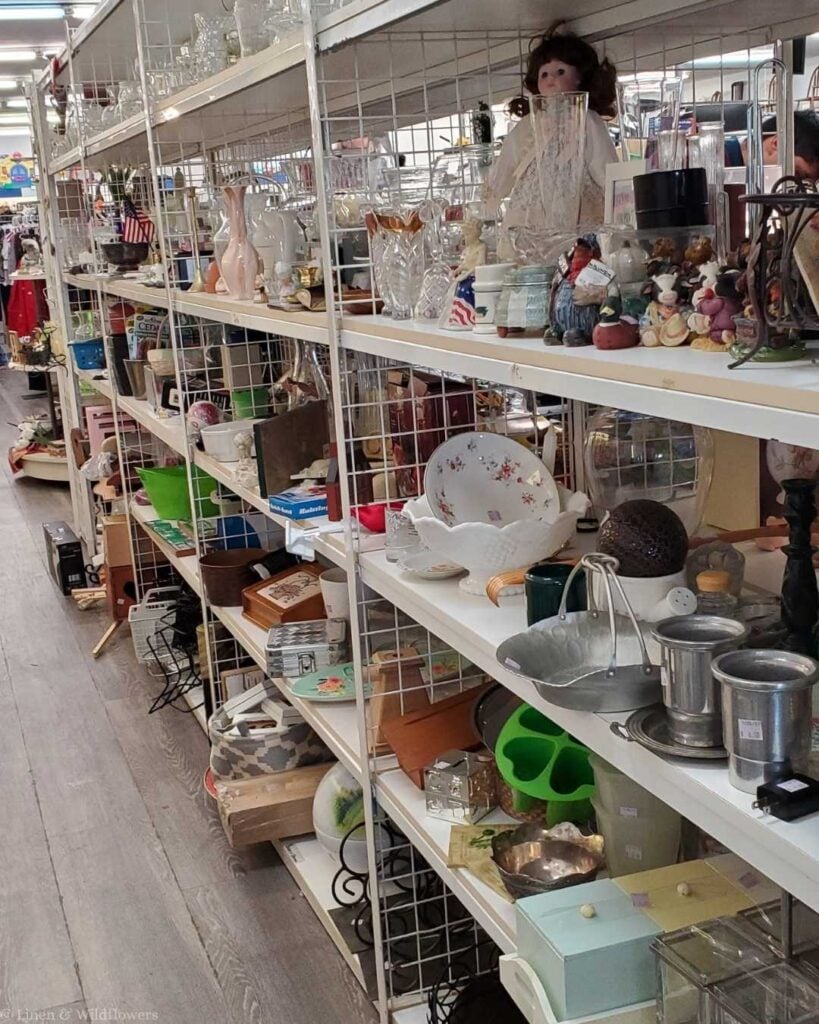
Thrift stores, Facebook Marketplace, garage sales, and buy-nothing groups are goldmines for homemakers. Children’s clothing, kitchenware, furniture, books, and home decor can often be found in excellent condition for a fraction of retail price.
19. Stock Up During Sales (Strategically)
When non-perishable items you regularly use go on sale, buy several. Canned goods, toiletries, cleaning supplies, and pantry staples can all be stockpiled safely.
Just be careful not to stockpile things you don’t actually use regularly.
20. Unsubscribe from Retail Emails
Marketing emails are designed to create desire for things you didn’t know you “needed.” Unsubscribing removes that temptation and helps you shop intentionally rather than reactively.
DIY & Repurposing
21. Learn Basic Mending and Sewing
A loose button, a small tear, or a worn hem doesn’t have to mean replacing a garment. Learning basic hand-sewing skills significantly extends the life of clothing. YouTube has excellent tutorials for beginners.
22. Repurpose Before You Discard
Before throwing something away, ask: could this be used for something else? Glass jars become storage containers, old towels become cleaning rags, and cardboard boxes make great organizers. This mindset shift saves money and reduces waste.
23. Grow a Small Herb or Vegetable Garden
Even a small container garden on a porch or windowsill can supply fresh herbs like basil, parsley, chives, and mint all season long. Fresh herbs are expensive at the grocery store, so growing your own pays off quickly.

Financial Habits & Mindset
24. Track Every Dollar You Spend
You can’t manage what you don’t measure. Keeping a simple spending log, even just jotting purchases in a notebook or using a free budgeting app, creates awareness that naturally leads to more intentional spending.
25. Celebrate Your Savings Wins
Frugal living is a long game, and it’s easy to get discouraged. Make it a habit to notice and celebrate your wins, no matter how small.
Saved $15 making homemade bread this week? That’s worth acknowledging. Building these habits takes time, and recognizing progress keeps you motivated.
Putting It All Together
You don’t have to implement all 25 of these tips at once. The most sustainable approach is to start with two or three changes that feel manageable and build from there.
Over time, frugal habits become second nature, and the financial breathing room they create is genuinely life-changing.
The heart of homemaking has always been resourcefulness: making the most of what you have, caring for your home and family with intentionality, and finding joy in simplicity.
These money-saving strategies aren’t about deprivation; they’re about being a thoughtful steward of your home and your family’s resources.
Which tip will you try first? Share in the comments below!
More Posts You’ll Fancy!

Frequently Asked Questions
Final thoughts
If you’re not sure where to begin, try meal planning, shopping your pantry before making a grocery list, or tracking your spending for a week.
These are some of the easiest ways to see immediate results and boost your confidence. Over time, frugal habits become second nature, and the financial breathing room they create is genuinely life-changing.

Homemaking Made Easy: 5 Days to a Cozy & Organized Home
This FREE course is for anyone who wants to create a warm, welcoming space, without the overwhelm. Whether you’re just starting out or need a reset, this 5-day journey will walk you through simple steps to make your home feel more peaceful, functional, and you.
It includes:
- Daily Email Lessons
- Printable Freebies
- Easy-to-Follow Tasks
By the end of the 5 days, you’ll feel more at peace, in control, and inspired in your home.
These are such great tips to help save money at home. I especially love your mention of cooking from scratch. This is something I strive to do not only to save money, but it’s also so much healthier.
Thank you so much. I could not agree with you more!
These are some great tips! We can all benefit from implementing these into our regular routines. Happy saving!
Thank you. Yes, absolutely!
Love this list. Thanks. You gave me some ideas I hasn’t thought of.
I am glad this post has inspired you!