
A Beginner’s Guide to Collecting Antique Crocks
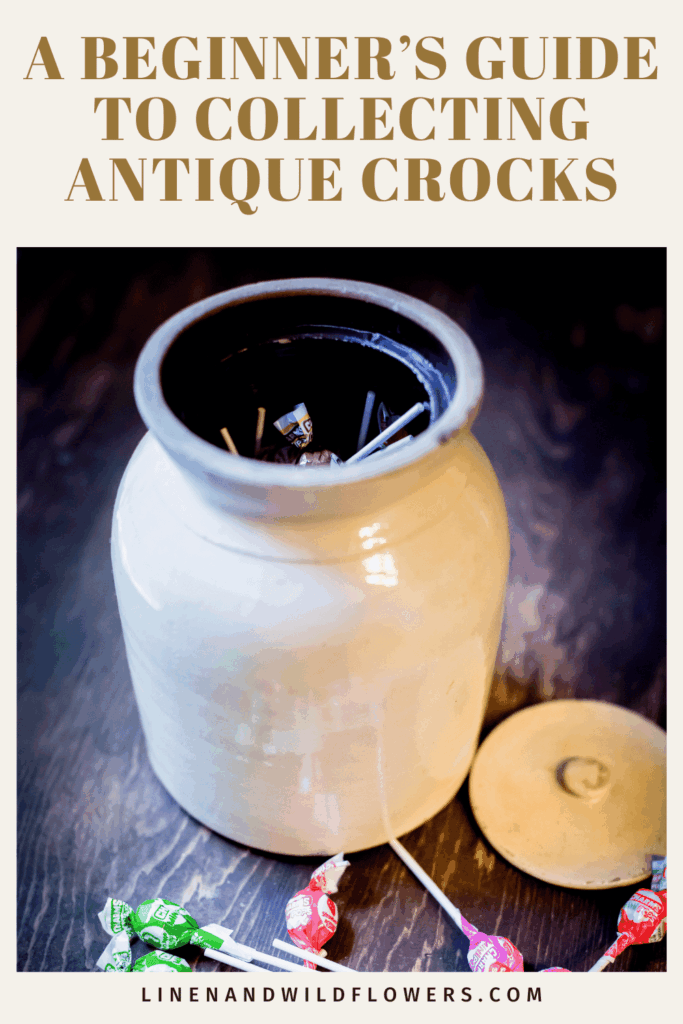
Collecting antique crocks is easier than you might think, and incredibly rewarding! These timeless stoneware pieces add charm and history to any home.
In this guide, you’ll learn how to identify authentic crocks, spot valuable pieces, and know what they’re worth so you can start building your collection with confidence.
The first time I brought home an antique crock, I had no idea what I was looking at; I just knew it felt solid, simple, and timeless.
Antique stoneware crocks were once everyday kitchen workhorses, used for storing butter, fermenting vegetables, and preserving food long before refrigeration.
Today, they’re one of the most beautiful and practical vintage pieces you can collect for your home. If you’ve ever spotted one at a thrift store or antique mall and wondered whether it was worth buying, this beginner’s guide will walk you through everything you need to know.
- What Is an Antique Crock?
- Understanding Gallon Sizes (And Why They Matter)
- How to Identify Age & Authenticity
- What to Look for When Buying an Antique Crock
- What Damage Is Okay and What’s Not
- What Are Antique Crocks Worth?
- What I’d Pay
- How to Clean Antique Crocks Safely
- Frequently Asked Questions
- Final Thoughts
- More Posts You'll Fancy!
What Is an Antique Crock?
Antique crocks are heavy stoneware containers made in the 1800s and early 1900s. They were used for:
Most are made of salt-glazed stoneware with simple blue cobalt decorations or stamped gallon numbers.
Understanding Gallon Sizes (And Why They Matter)
The number refers to how much the crock originally held, and generally, the larger the crock, the more desirable (and expensive) it becomes.
You’ll often see numbers like:
- 1 Gallon
- 2 Gallon
- 3 Gallon
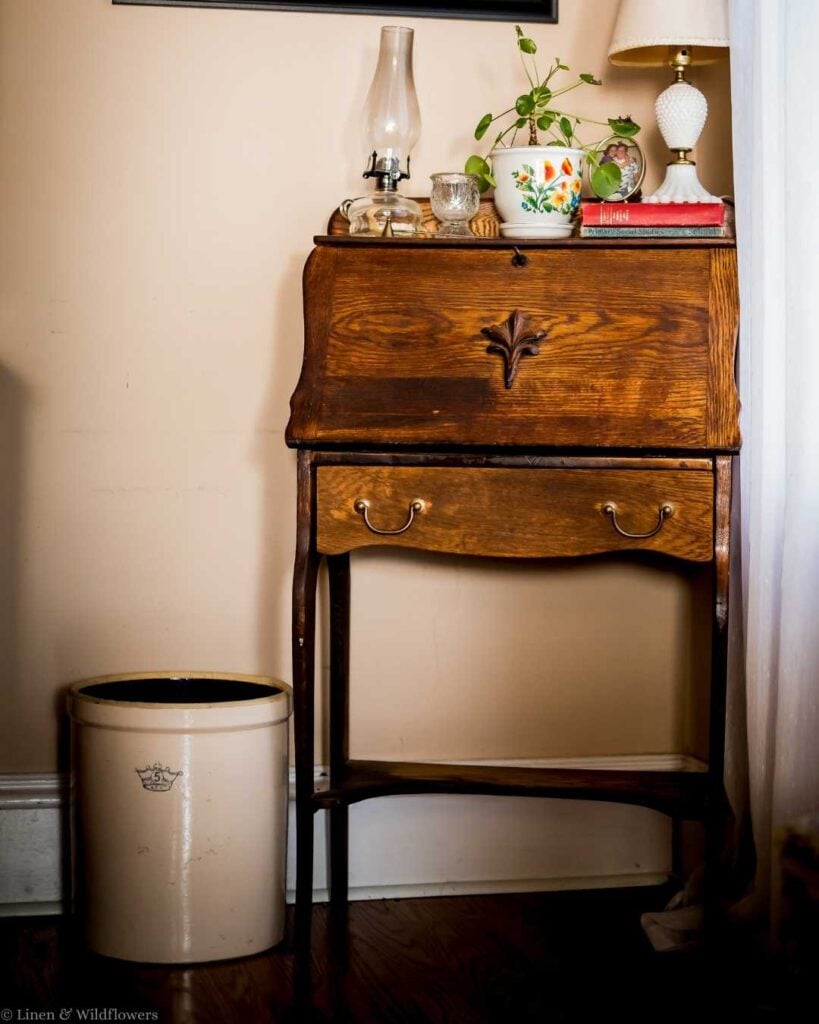
- 5 Gallon
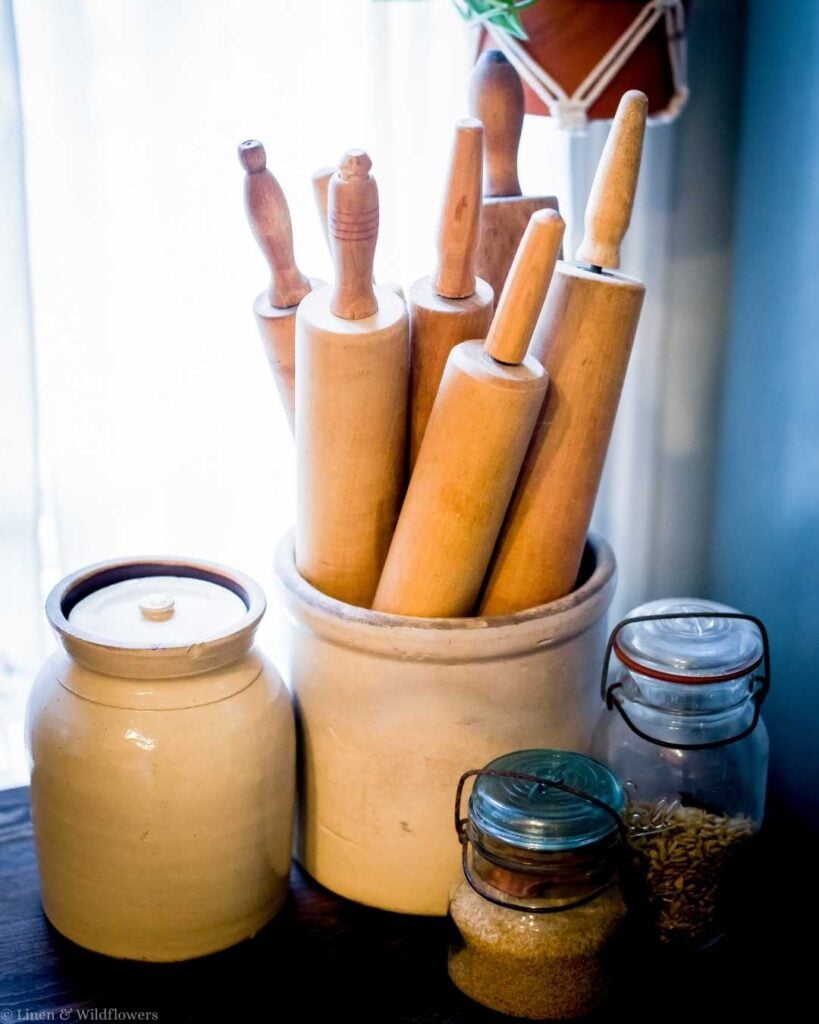
Smaller crocks are great for:
- Utensil storage
- Florals/Plants
- Kitchen Storage
- Bathroom organization
Larger crocks work beautifully for:
- Blanket storage
- Statement decor pieces
- Umbrella stands
- Fireplace logs
How to Identify Age & Authenticity
You might be asking yourself, is this crock truly 19th-century? Here’s what to look for:
1. Weight
Authentic antique crocks are heavy. Reproductions often feel lighter.
2. Glaze
Look for:
- Salt glaze (slightly pebbled texture)
- Natural glaze variation
- Wear consistent with age
3. Markings & Makers
Some well-known American makers include:
- Production centers like Red Wing in Minnesota, Western Pennsylvania, and New York were major stoneware hubs.
- Stamped names or logos can increase value, but plain crocks are still beautiful and collectible.
What to Look for When Buying an Antique Crock
When you’re standing in a thrift store or antique mall holding a heavy crock in your hands, here’s what to check before bringing it home:
1. Check the Bottom First
Turn it over carefully.
Look for:
- Maker’s stamp
- Impressed numbers
- Hand-painted markings
- Natural wear consistent with age
Makers often stamped their pieces. Even if there’s no stamp, wear on the base should feel authentic, slightly rough and aged, not perfectly smooth. If the bottom looks brand new, that’s a red flag.
2. Examine the Glaze
Examine for Cracks (Inside and Out). Hairline cracks are common, especially on older pieces.
Authentic antique crocks usually have:
- Salt glaze (a slightly pebbled, orange-peel texture)
- Uneven glaze pooling
- Natural variation in tone
- Minor glaze skips
If the glaze looks overly glossy, perfectly smooth, or machine-perfect, it may be a reproduction. Additionally, examine the font style of any numbers or markings. Modern fonts that look too clean or uniform can be a sign of a reproduction.
Also, keep an eye out for odd or unexpected colors, as authentic crocks typically feature natural glaze tones.
Here’s how to tell what’s acceptable:
- Fine surface crazing
- Small interior hairline cracks (for decor use)
Avoid:
- Long structural cracks that go through the wall
- Repairs that feel glued or filled
- Cracks near the base that affect stability
Tip: Gently tap the side; a dull sound can indicate a hidden crack.
4. Look at the Cobalt Decoration
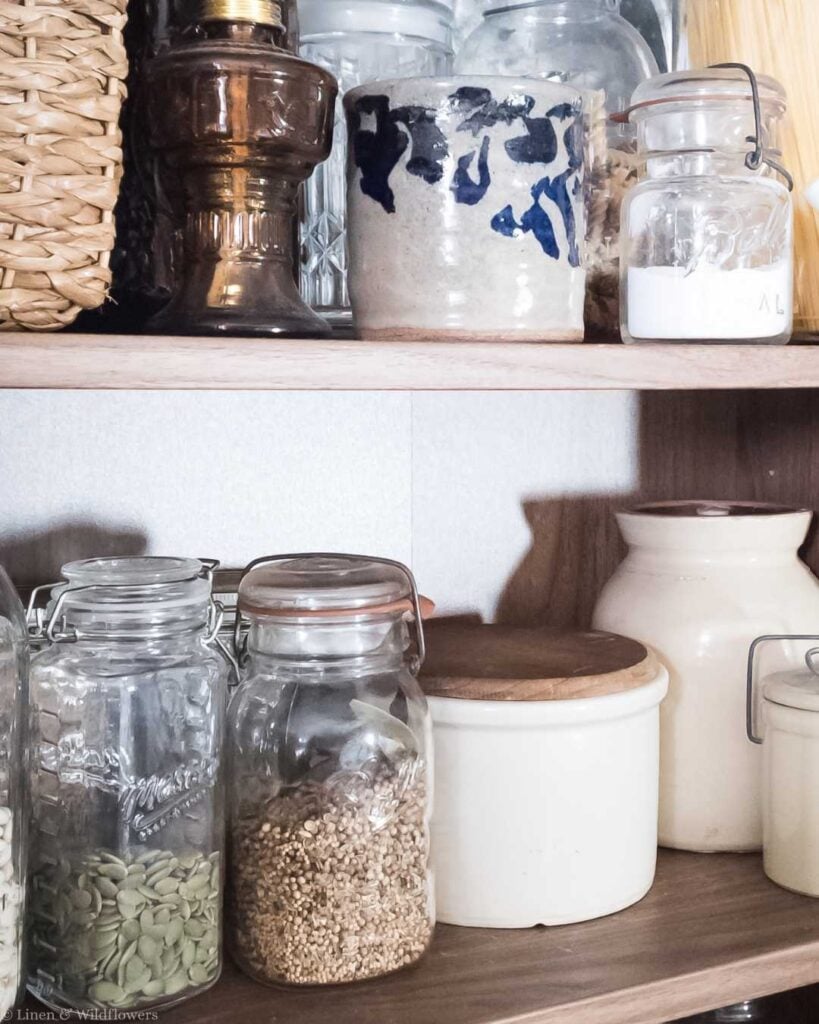
Many 19th-century crocks feature blue cobalt designs. The blue shouldn’t look printed or stenciled. It should have slight brush variation and feel organic.
Things that add value:
- Hand-painted numbers
- Floral or bird motifs
- Crisp brushwork
5. Consider the Size
Bigger isn’t always better, but it usually is more valuable.
- 1–2 gallon crocks are easier to style and more affordable.
- 3–5 gallon crocks make statement pieces but cost more.
If you’re just starting out, smaller crocks are a great entry point.
6. Trust the Weight
This one sounds simple, but it matters.
True antique stoneware is heavy. If it feels unusually light for its size, it may not be old.
7. Ask Yourself One Simple Question
Even beyond value, do you love it? Some crocks are technically rare but don’t fit your home. Others are plain but feel perfect in your kitchen.
Collect slowly. Choose pieces that feel like they belong in your home, not just on a resale list.
What Damage Is Okay and What’s Not
This is where beginners get nervous. Hairline cracks (especially in smaller crocks).
- Interior staining
- Minor glaze wear
- Large structural cracks
- Repairs that compromise stability
- Chips on the base that affect balance
If you’re using them for decor, minor imperfections are part of the charm. But for functional use, such as fermenting, it’s important to ensure that the crock is food-safe. Look for crocks with intact glaze and no traces of lead.
The absence of these features can affect the safety of storing consumables, making condition a crucial factor when considering use for food.
What Are Antique Crocks Worth?
At thrift stores, you can still find deals if you’re patient.
Prices vary based on:
- Size
- Maker
- Decoration
- Condition
- Local demand
Typical beginner range:
- Small plain crocks: $15–$40
- Medium crocks: $40–$125
- Large decorated crocks: $150+
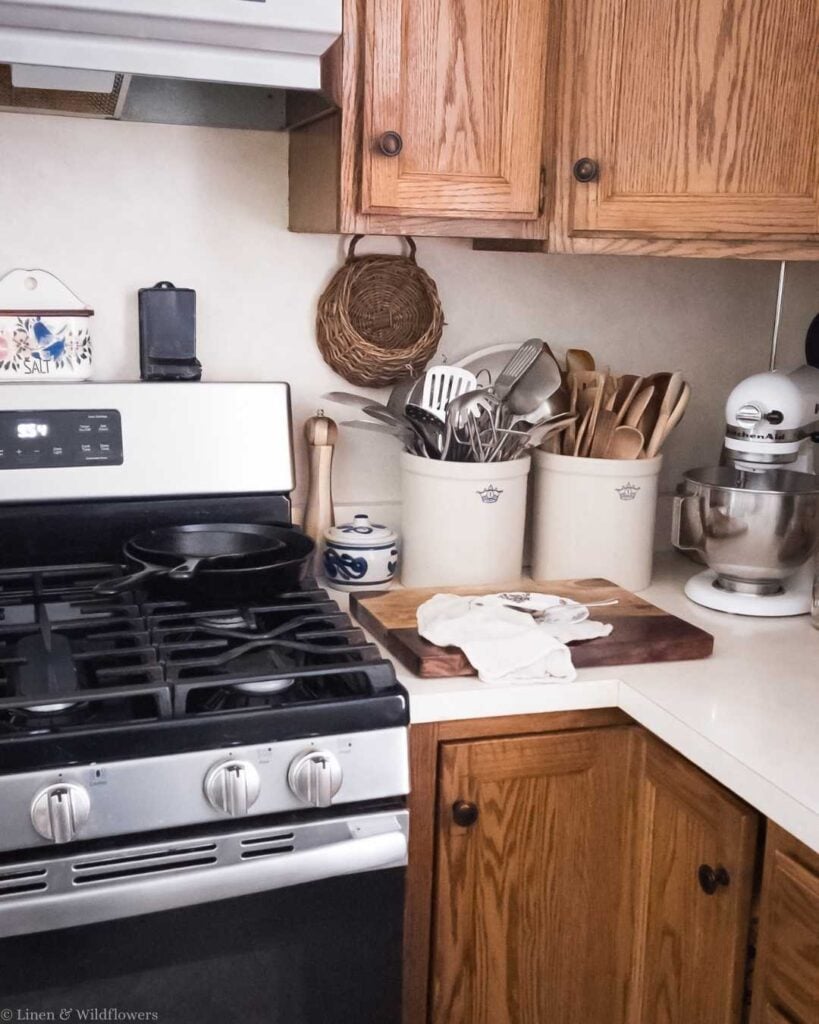
What I’d Pay
When collecting antique crocks, I always keep a mental price range in mind. I’m often on the hunt at thrift stores, estate sales, and antique shops, and I’ve been lucky to find some beautiful pieces fairly inexpensively.
- Small, plain crocksI usually wouldn’t pay more than $30–$40 for, while medium-sized pieces with simple cobalt decoration might be worth $50–$75.
- Large, hand-decorated crocks can run $100 or more, depending on the maker and condition. My rule is simple: I only buy what feels like a good value to me and fits my home, so I can enjoy collecting slowly without overpaying.
Tip: When shopping at an antique or thrift store, don’t hesitate to ask for discounts, especially if you’re buying multiple items; many sellers are willing to negotiate.
How to Clean Antique Crocks Safely
- Warm water + mild dish soap
- Soft brush
- Avoid harsh chemicals
- No soaking for long periods
- Let fully air dry
Important: Never put antique stoneware crocks in the dishwasher.
More Posts You’ll Fancy!
Frequently Asked Questions
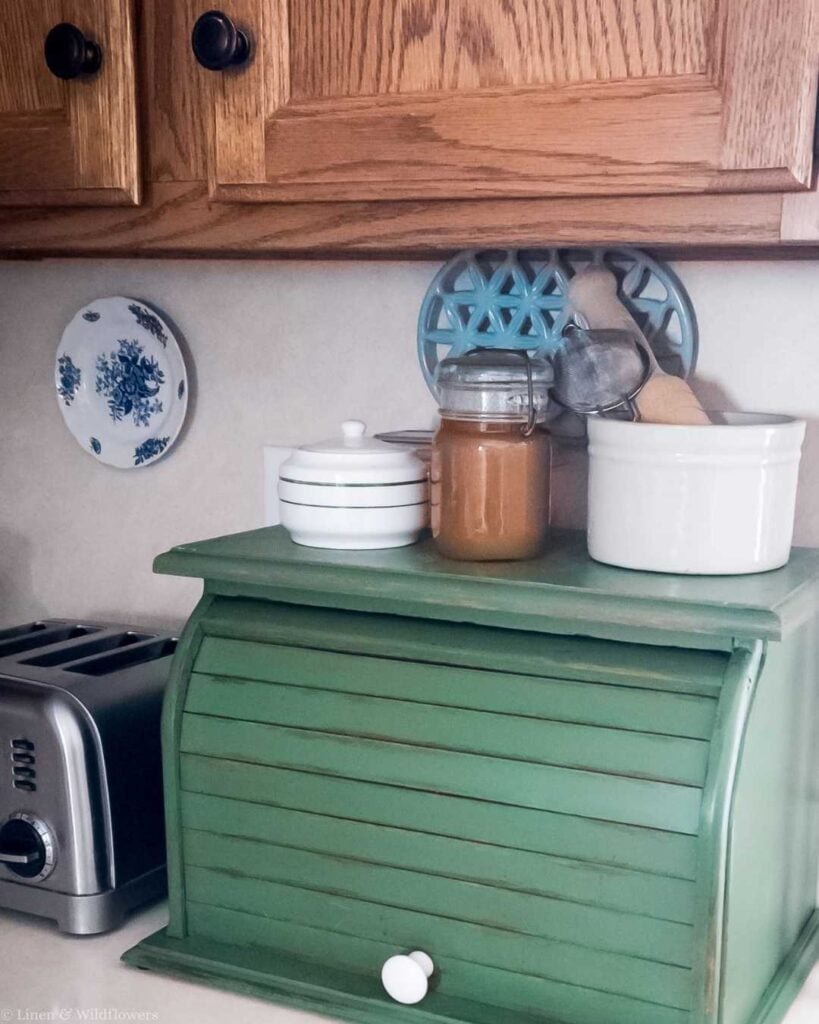
Final Thoughts
Collecting antique crocks is one of those hobbies that combines history, style, and practicality. Each piece tells a story, from its maker and age to the hands that once used it in everyday life.
As a beginner, the key is to take your time, learn to identify authentic stoneware, and trust your instincts on what’s worth bringing home.
Whether you’re thrifting for small kitchen crocks or hunting for a large statement piece, collecting slowly and intentionally makes the process even more rewarding.
Over time, your collection will grow into a meaningful mix of functional decor and cherished vintage finds that bring warmth and character to your home.