
Can You Use Expired Yeast?
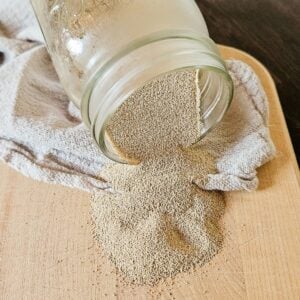
Can You Use Expired Yeast? It’s a question you probably have asked yourself when you come across a jar or a packet of expired yeast. In this post, I will share what you need to know before you toss it.
There’s nothing more frustrating than gathering ingredients for homemade bread, cinnamon rolls, or pizza dough only to discover your yeast expired months ago. Before you throw it away, you may be wondering: can you still use expired yeast?
The good news is that expired yeast is not always bad. In many cases, yeast can still work beyond the printed expiration date if it has been stored properly.
However, there are a few important things every baker should know before using old yeast in a recipe. If you love baking from scratch, this guide will help you determine whether expired yeast is still usable, how to test it, and when it’s time to replace it.
Quick Answer
Yes, expired yeast can often still be used if it has been stored properly and still activates during a proof test. However, older yeast may work more slowly and may not help the dough rise as effectively. Testing yeast before baking is the best way to determine if it is still active.
Recipe Ingredients
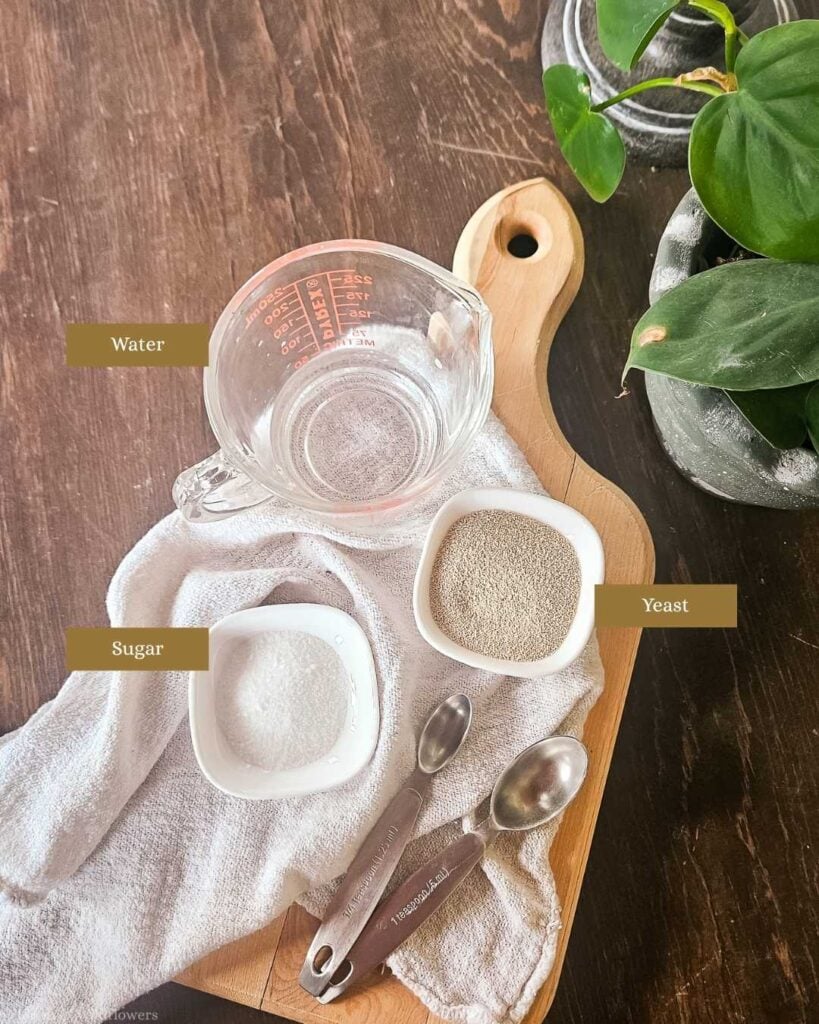
You’ll need the following ingredients to test this expired yeast:
Ingredient Notes
Yeast can usually be found in the baking aisle of most grocery stores near the flour, sugar, and other baking ingredients. It is commonly sold in small packets, jars, or strips of individual envelopes.
How to Test Expired Yeast Step-by-Step
Here are quick visual instructions for testing expired yeast step-by-step. Remember, the full instructions will be included in the printable recipe card below.
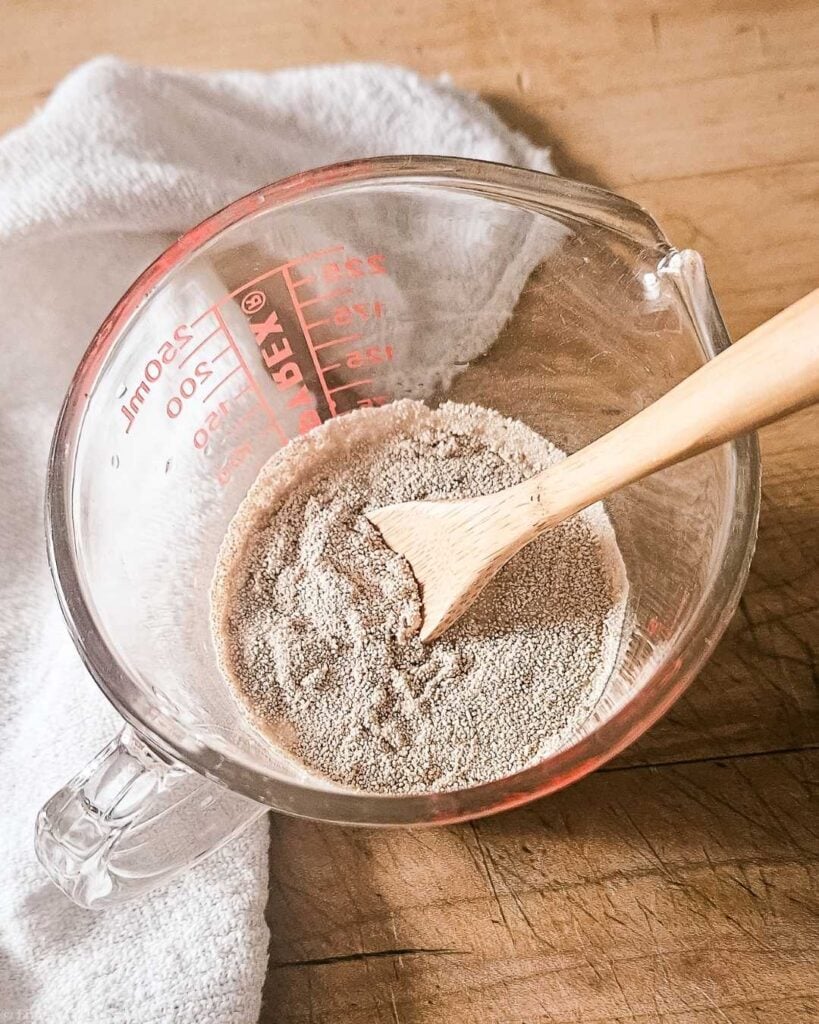
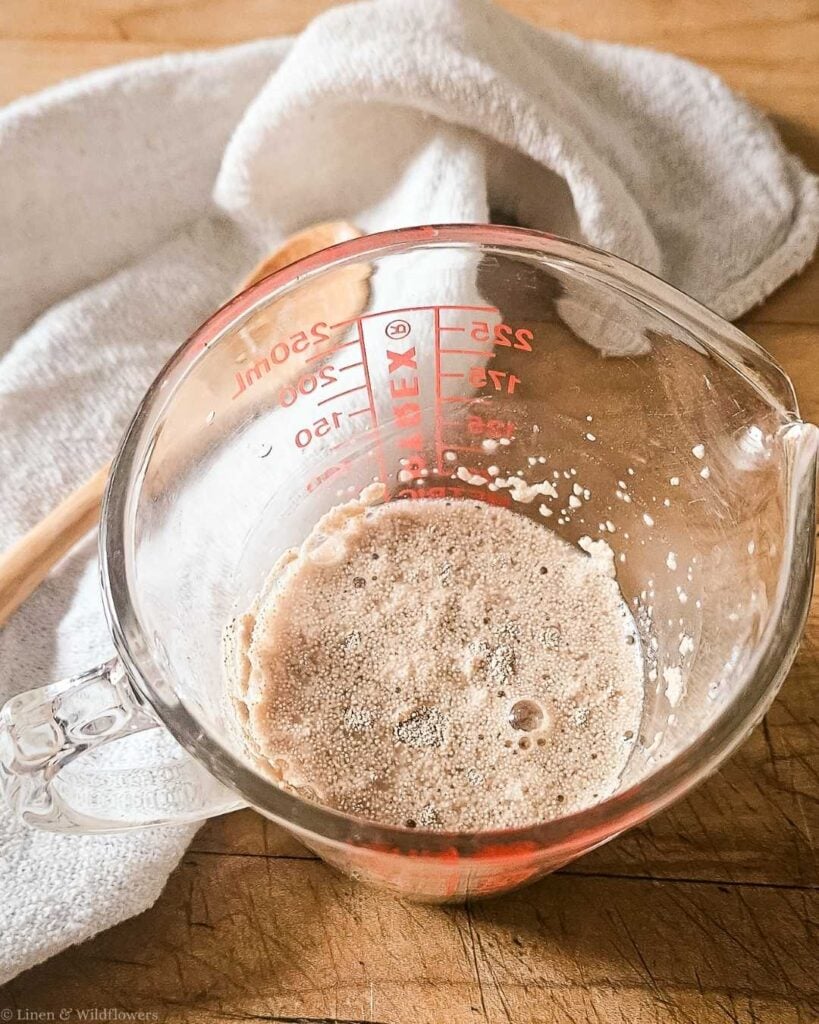
- Add warm water to a bowl
- Stir in sugar
- Add yeast
- Gently stir
- Let it sit
- Check for foam or bubbles forming on top
Can You Use Expired Yeast?
Yes, you can sometimes use expired yeast. The expiration date printed on the packet or jar is usually a guideline for peak freshness rather than an exact spoilage date.
Yeast is a living organism, and over time, it gradually loses strength. While expired yeast may still activate and help dough rise, it may work more slowly or produce less reliable results.
I once pulled a forgotten jar of yeast from the back of my refrigerator while making homemade bread. I almost tossed it, but after testing it first, it worked perfectly. Since then, I always proof older yeast before throwing it away.
Whether expired yeast still works depends on:
- How old is the yeast
- How it was stored
- Whether moisture or heat affected it
- The type of yeast you are using
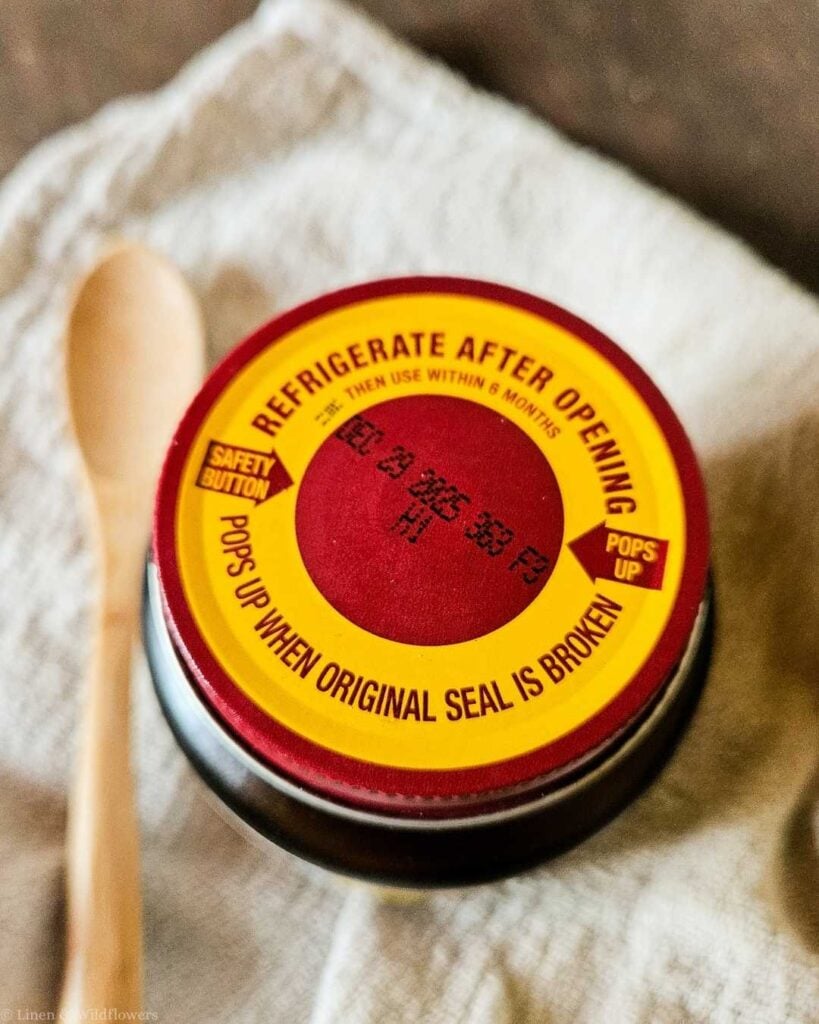
If your yeast has been stored in a cool, dry place or refrigerated after opening, it’s likely still usable.
Common Reasons Yeast Fails
Sometimes, yeast problems are not caused solely by expiration dates. Even fresh yeast can fail if a few important baking steps are overlooked. Understanding these common mistakes can help improve your baking results and prevent dough from falling flat.
The Water Was Too Hot
Hot water is one of the quickest ways to kill yeast. Water that is too hot can destroy the living yeast cells before they have a chance to activate.
For best results, use warm water between 100°F and 110°F. The water should feel warm but not uncomfortably hot to the touch.
The Water Was Too Cold
Cold water can also create problems because yeast activates very slowly in cooler temperatures. If the water is too cold, the yeast may not foam or rise properly. Using lukewarm water helps create the ideal environment for yeast activation.
The Yeast Was Expired
Older yeast naturally loses strength over time. Even if expired yeast is not completely dead, it may rise much more slowly or produce inconsistent results. This is why proofing yeast before baking is so important, especially when using older packets or jars.
Salt Touched the Yeast Directly
Salt is important in bread recipes, but direct contact with yeast can weaken or damage it. To avoid this problem, mix the salt into the flour first, or keep it separate from the yeast until the ingredients are combined properly.
The Dough Rising Area Was Too Cold
Yeast thrives in warm environments. If your kitchen or dough resting area is too cold, the dough may rise very slowly or not at all.
Try placing dough in a slightly warm area away from drafts, such as:
- Near a warm oven
- Inside an oven with the light on
- In a sunny kitchen spot
A warmer environment helps yeast stay active and encourages a better rise.
How to Tell if Yeast Is Still Good
The easiest way to check for expired yeast is to proof it before baking.
What Happens if You Use Dead Yeast?
Using inactive yeast will not make you sick, but your dough probably will not rise properly.
This can lead to:
- Dense bread
- Flat cinnamon rolls
- Heavy pizza crust
- Tough baked goods
If your dough has been sitting for hours with little to no rise, dead yeast may be the reason.
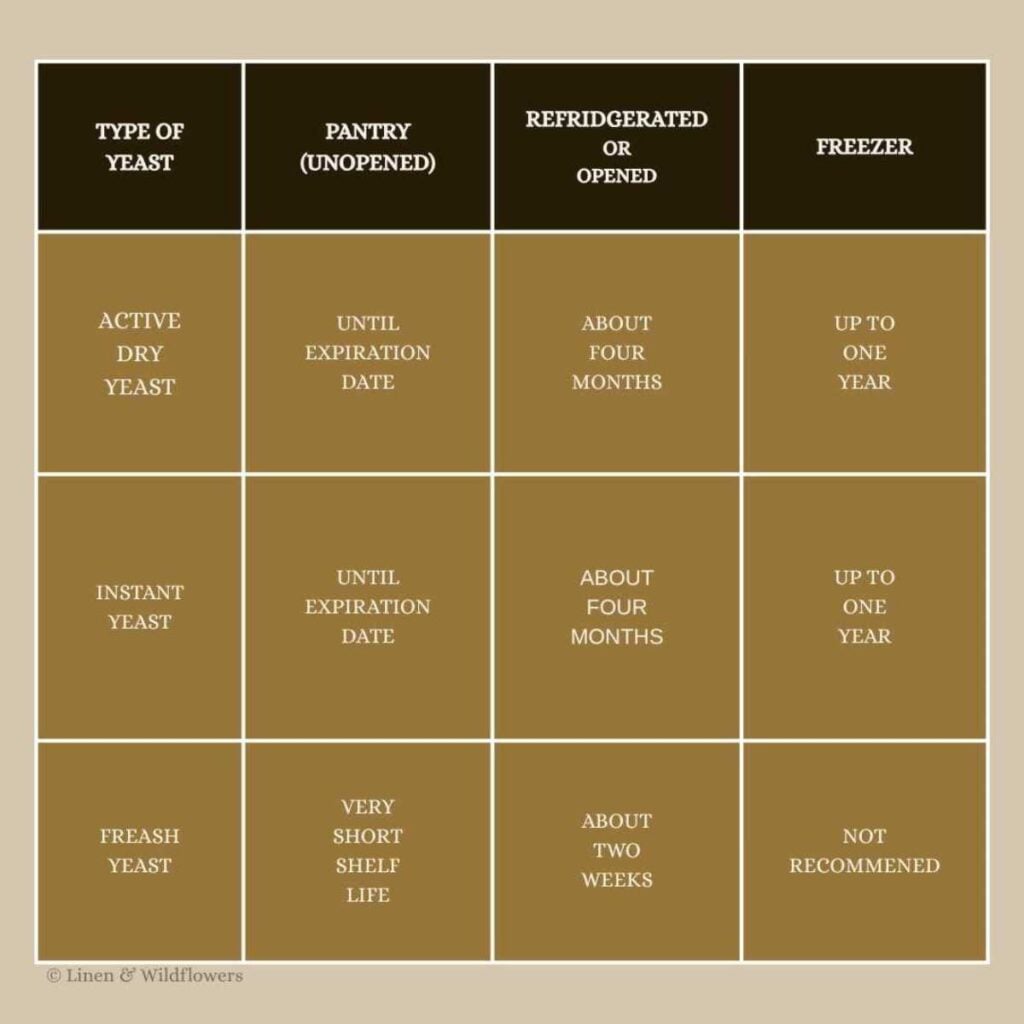
Do Different Yeast Expire Differently?
Yes. Different types of yeast have different shelf lives.
- Active Dry Yeast: Active dry yeast tends to last longer because it contains less moisture. Unopened packets can sometimes remain usable for months past the expiration date if stored correctly.
- Instant Yeast: Instant yeast usually has a similar shelf life to active dry yeast but may lose effectiveness faster once opened.
- Fresh Yeast: Fresh yeast is far more perishable and should typically be used by the expiration date for best results.
Yeast Shelf Life Chart
Best Ways to Store Yeast
Proper storage can dramatically extend the life of your yeast.
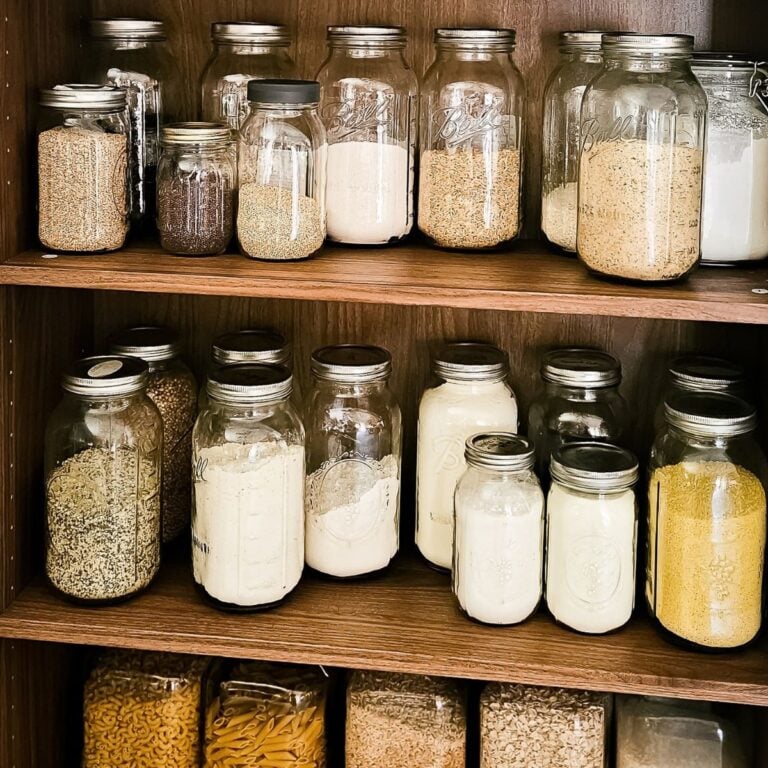
- Pantry Storage: Unopened yeast packets or jars can usually be stored in a cool, dry pantry.
- Refrigerator Storage: Once opened, yeast should be stored in an airtight container in the refrigerator.
- Freezer Storage: Many bakers freeze yeast to extend its freshness for months. Frozen yeast can often be used directly from the freezer.
Avoid exposing yeast to:
- Heat
- Humidity
- Direct sunlight
- Moisture
Signs Your Yeast Has Gone Bad
Even before testing it, there are a few warning signs that yeast may no longer be usable.
Watch for:
- No bubbling during proofing
- Clumps caused by moisture
- A strong, unpleasant odor
- Discoloration
If you notice any of these signs, it’s best to replace the yeast before baking.
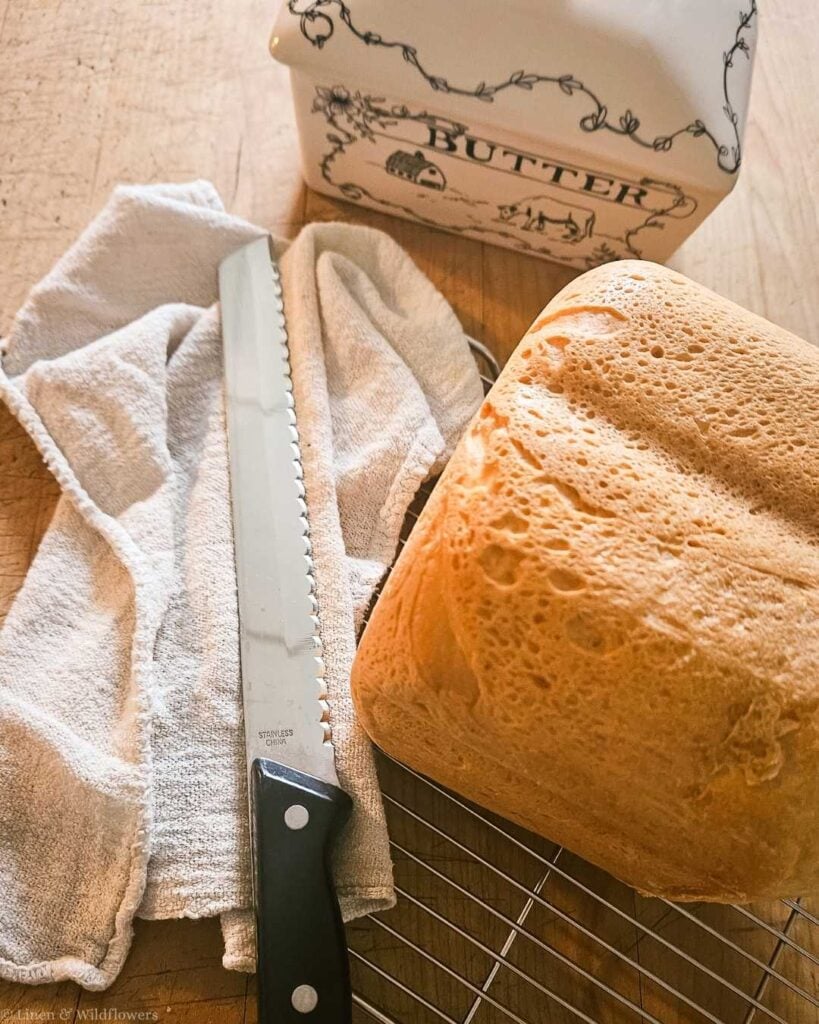
Can Expired Yeast Still Make Bread Rise?
Sometimes it can, but it may take much longer. Older yeast often works more slowly because fewer yeast cells remain active.
If your expired yeast passes the proofing test but seems weak, you may still be able to use it by allowing extra rise time.
Plan on letting your dough rise for an additional 30 to 60 minutes, or until it visibly doubles in size. This extra time helps compensate for the yeast’s reduced strength, resulting in a better texture in your bread.
For important recipes like holiday breads or dinner rolls, using fresh yeast is usually the safest option.
5 Tips for Baking With Older Yeast
If you decide to use expired yeast, these tips can help improve your results:
- Always proof the yeast first
- Use warm—not hot—water
- Give the dough extra rise time
- Keep the dough in a warm spot while rising
- Consider adding slightly more yeast if it seems weak
Pro Tip: Consider adding a little more yeast if it seems weak. A good rule of thumb is to use about 25 to 50 percent more yeast than the recipe calls for if your yeast is very old or sluggish during proofing.
For example, if a recipe calls for 2 teaspoons, add an extra 1/2 to 1 teaspoon. This small increase can help your dough rise more reliably when using older yeast.
Why Bakers Keep Yeast in the Freezer
Many experienced bakers store yeast in the freezer because it helps preserve freshness much longer. If you only bake occasionally, freezing yeast can help prevent waste while keeping it ready whenever you want homemade bread, rolls, or pizza dough.
Mistakes to Avoid When Using Expired Yeast
Using expired yeast does not always mean your recipe will fail, but a few common mistakes can quickly ruin your dough.
If you are baking with older yeast, taking a little extra care can make a big difference in your results.
Using Water That Is Too Hot
One of the most common baking mistakes is using water that is too hot when activating yeast. Because yeast is a living organism, extremely hot water can kill it instantly.
Warm water should feel comfortably warm, not boiling or overly hot. In most cases, water between 100°F and 110°F works best for proofing yeast. If the water is too hot to comfortably touch, it is probably too hot for the yeast as well.
When using expired yeast, temperature matters even more because older yeast is already weaker and more delicate.
Skipping the Proof Test
If your yeast is expired, never skip the proof test. This quick step can save you from wasting flour, butter, eggs, and other ingredients on dough that will never rise.
Proofing yeast takes only a few minutes and lets you see whether it’s still active before mixing your recipe. If the mixture becomes foamy and bubbly, your yeast is still alive and ready to use.
Skipping this step can lead to dense bread, flat rolls, or pizza dough that refuses to rise properly.
Assuming Unopened Yeast Is Automatically Good
Many people assume that unopened yeast is always safe to use, but that is not necessarily true. Even sealed yeast packets can lose strength over time, especially if they were exposed to heat or humidity during storage or shipping.
An unopened package that is far past the expiration date may still work, but it should always be tested first. The older the yeast becomes, the less reliable it may be.
Even if the package looks perfectly fine, proofing it first gives you peace of mind before baking.
Storing Yeast Near Heat
Heat and moisture are two of yeast’s biggest enemies. Storing yeast near the stove, dishwasher, sunny window, or other warm areas can shorten its shelf life much faster.
To keep yeast fresh longer, store unopened packages in a cool, dry pantry. Once opened, transfer the yeast to an airtight container and refrigerate or freeze it.
Proper storage can help yeast stay active for months longer and reduce unnecessary kitchen waste.
More Posts You’ll Fancy!
Frequently Asked Questions
Love simple, homemade snacks?
Want more easy, cozy snacks? You’ll get 5 no-fuss, simple, delicious recipes you can make anytime.
Can You Use Expired Yeast?
Equipment
- Measuring Cup
- measuring spoon
- spoon for stirring
Ingredients
- ¼ cup warm water about 105–110°F
- 1 teaspoon sugar
- 2 ¼ teaspoons yeast
Instructions
- Stir gently and let sit for 5–10 minutes.
Notes
Good yeast:
- Becomes foamy and bubbly
- Expands noticeably
- Has a yeasty smell
Bad yeast:
- Little or no foam
- Flat appearance
- No activity after 10 minutes
Storage Matters
Yeast lasts longer when:- kept unopened
- stored in a pantry away from heat/humidity
- refrigerated or frozen
Final Thoughts
So, can you use expired yeast? In many cases, yes. Expired yeast may still work perfectly well if stored properly and passes a quick proofing test.
Before tossing out old yeast, take a few minutes to test it. You may save yourself a trip to the grocery store and still enjoy delicious homemade baked goods.
However, if the yeast does not foam or bubble, it’s best to replace it for reliable baking results.
Have you ever baked with expired yeast?
Share your experience in the comments below. I’d love to hear whether it worked for you! If you have any special tips for reviving old yeast or clever ways you store it to make it last longer, please share those as well. Your advice could help fellow bakers get the best results.
This is such a helpful post! Thank you for sharing. It’s one of those things that can so easily get left in the cupboard and get forgotten about or not used up in time, and all of what you’ve mentioned in this post is so useful to know.
Very true! It happens to the best of us!
This is so on point, I just saw this weekend an old pot of yeast in the back of my refrigerator. I didn’t know I could put it in the freezer! Now I know how to test it before using it, thank you so much!
Yep, you sure can! You are so very welcome!
Great tips! The expired yeast in my fridge is still usable. 🙂
Thats awesome! Yay!
This was so helpful! Thank you for sharing!
You are very welcome!
Thanks for sharing this information on whether or not expired yeast can be used. I don’t buy yeast very often because I’m afraid I will not use it before it expires. Now I know that I don’t necessarily need to worry about that.
Right? You can always freeze it too!
This was great information. I have yeast in my refrigerator – i guess i should look at it. My hubby is the one who uses it the most. Hmmm. 🤔 I have never had much luck.
If its expired, don’t toss it. Give it a test first! 🙂