
The Purpose of Sourdough in Recipes Besides Bread
If you’ve ever wondered what to do with sourdough starter besides baking bread, you’re not alone. Many home bakers quickly realize that keeping a starter means having plenty of discard—and tossing it out can feel wasteful. That’s where the fun begins! The purpose of sourdough in recipes besides bread goes far beyond just saving discard.
Sourdough boosts flavor, improves texture, reduces waste, and even adds nutritional benefits, making it a versatile ingredient that can transform everyday recipes into something truly special.
If you’ve started your sourdough journey, chances are you’ve asked yourself: What else can I make with my starter besides bread? The good news is, sourdough isn’t just for bread and baguettes.
From pancakes to crackers, muffins to pizza dough, sourdough can bring flavor, texture, and even nutrition to a wide variety of recipes. Let’s dive into the main purposes of using sourdough beyond bread baking.
- If you’ve ever wondered what to do with sourdough starter besides baking bread, you’re not alone. Many home bakers quickly realize that keeping a starter means having plenty of discard—and tossing it out can feel wasteful. That’s where the fun begins! The purpose of sourdough in recipes besides bread goes far beyond just saving discard.
- Why You Want to Use Sourdough Starter Discard in Recipes
- Why You’ll Love Baking with Sourdough Discard
- Reduces Waste
- Adds Unique Flavor
- Improves Texture
- 6 Benefits of Using Sourdough in Recipes Beyond Bread
- Here Are Just a Few Creative Ways to Put Your Starter to Work
- Practical Tips: How to Adjust Recipes for Sourdough Discard
- Storage: How Long Can You Keep Sourdough Discard
- Troubleshooting: Common Issues with Sourdough Discard
- Safety: Is It Safe to Use Old Sourdough Discard?
- Frequently Asked Questions About Using Sourdough Beyond Bread
- More Recommended Posts You May Fancy
- Wrapping Up!
- Looking for Delicious breakfast recipes?
Why You Want to Use Sourdough Starter Discard in Recipes
If you bake with sourdough, you know that feeding your starter often means extra discard. Rather than tossing it, here are three great reasons to use it in your recipes:
Why You’ll Love Baking with Sourdough Discard
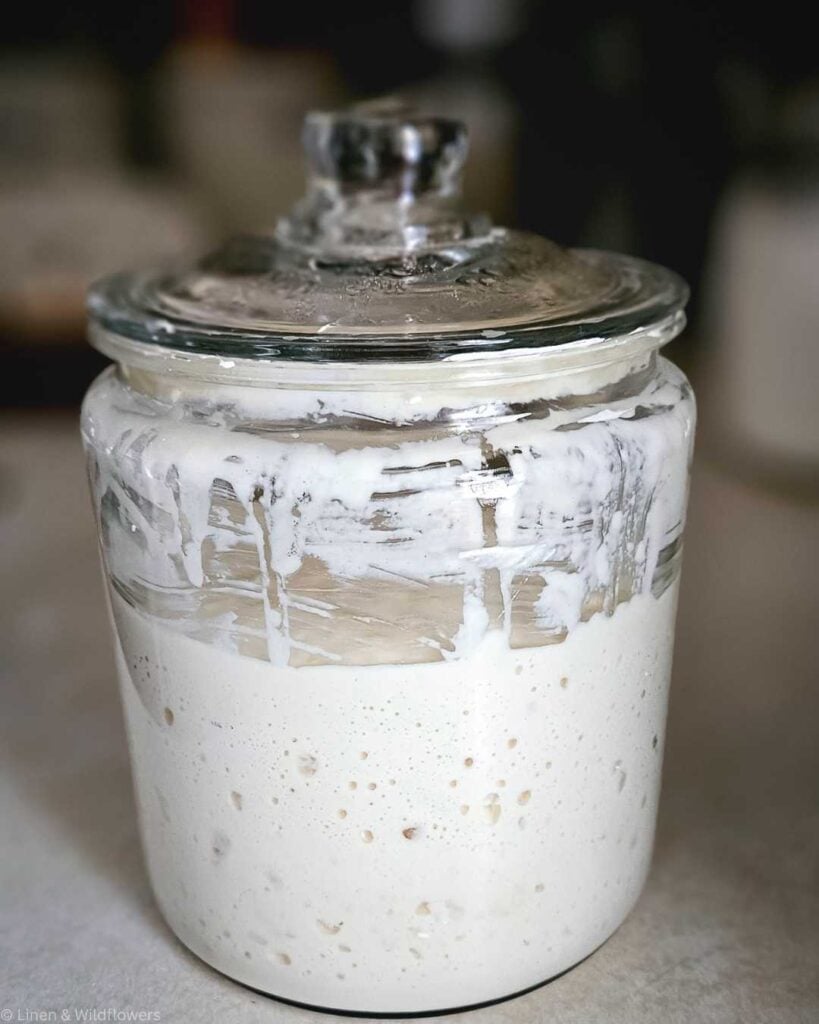
If you’ve ever hesitated to toss your sourdough discard, you’re not alone. The truth is, discard isn’t waste—it’s a versatile ingredient that can transform your baking. Instead of thinking of discard as “extra,” see it as an opportunity to get creative in the kitchen. Here’s why you’ll love using it:
Reduces Waste
Adds Unique Flavor
Improves Texture
6 Benefits of Using Sourdough in Recipes Beyond Bread
1. Flavor Booster
One of the most obvious benefits is the flavor. Sourdough brings a tangy, complex note that transforms everyday recipes into something special.
- In pancakes or waffles, it adds a gentle tang.
- In cookies and brownies, it creates a deeper, richer taste.
- In savory crackers or pizza dough, it brings out a sharp, bold flavor.
2. Natural Leavening
A fed, active sourdough starter acts just like commercial yeast—it helps dough rise!
- Great for pizza crust, biscuits, cinnamon rolls, or dinner rolls.
- Creates a lighter, airier texture without needing store-bought yeast.
3. Texture Improvement
Even when the starter is used as a discard (not active), it still improves texture.
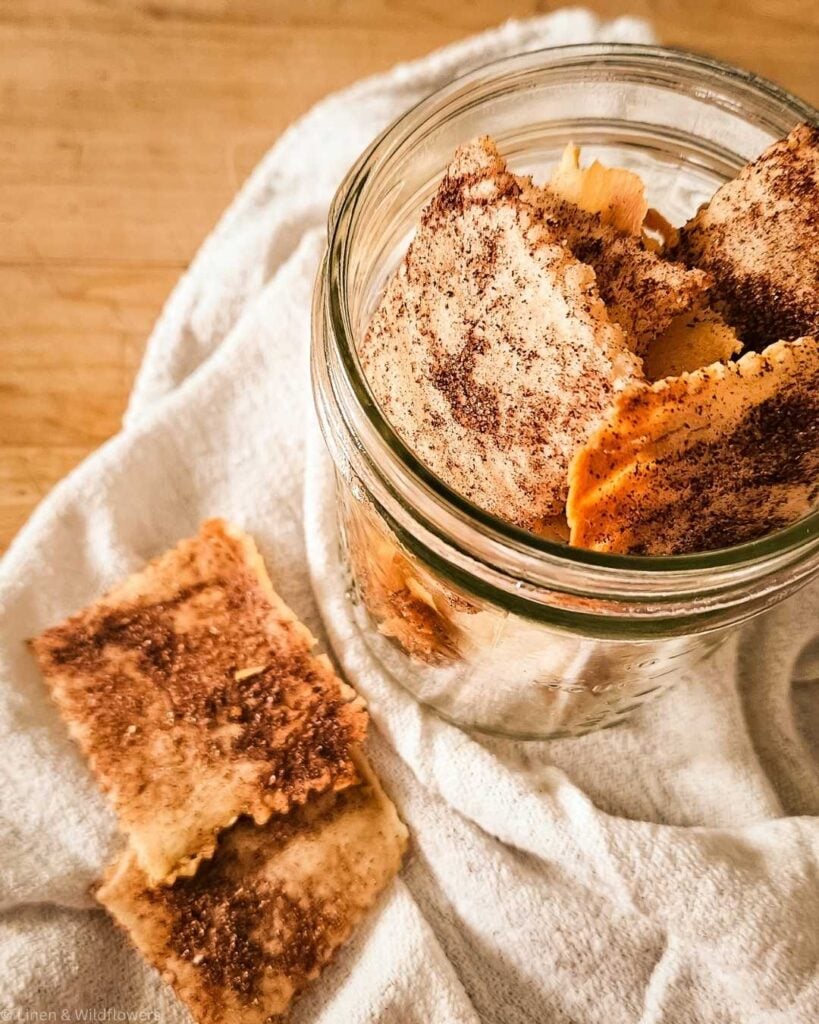
- Crackers turn crispier.
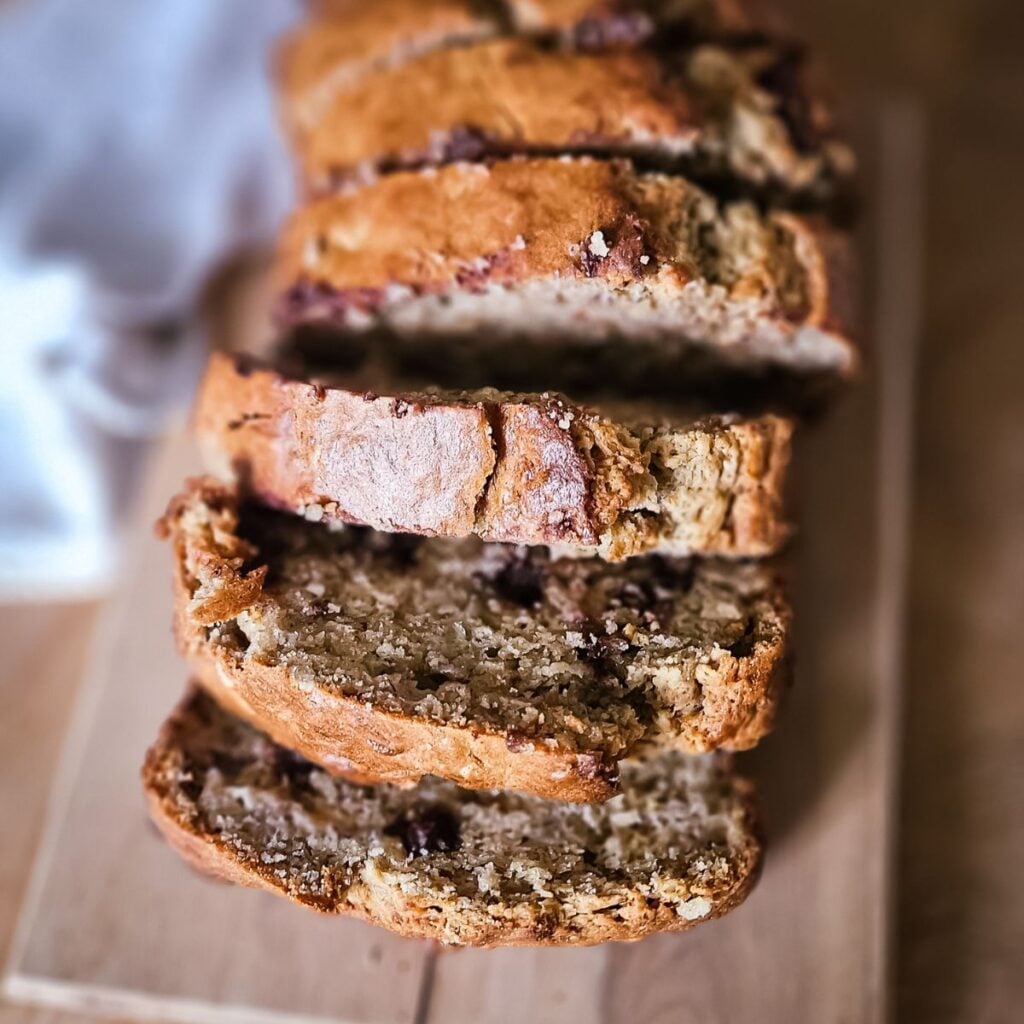
- Muffins and cakes become moister and tender.
- Cookies can be chewier or softer, depending on how they’re used.
4. Nutritional Benefits
Sourdough fermentation helps break down gluten and phytic acid, making baked goods easier to digest. While many baked recipes will lose live cultures during baking, the fermentation process still improves nutrition.
5. Waste Reduction
Maintaining a sourdough starter requires regular feeding, which leads to a substantial amount of discard. Using that discard in recipes is a straightforward way to reduce waste while creating delicious new treats.
For optimal use, store your discard in an airtight container in the fridge. It can be kept for up to a week, but for the best flavor and texture in your baked goods, aim to use it within five days.
6. A Binding Agent
Because sourdough starter is a mixture of flour and water, it acts as a natural binder in batters and doughs. Think pancake batter, dumplings, or flatbreads.
Here Are Just a Few Creative Ways to Put Your Starter to Work
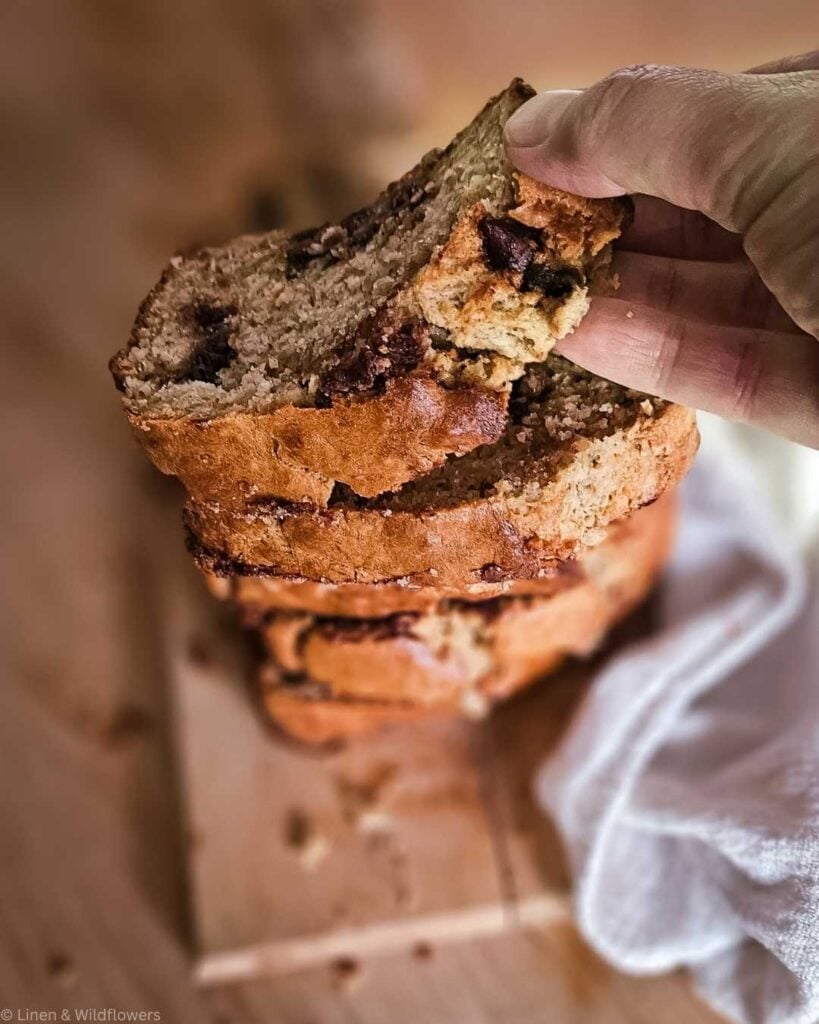
Want inspiration? Here are some of the best Popular Non-Bread Sourdough Recipes for sourdough starter and discard:
Practical Tips: How to Adjust Recipes for Sourdough Discard
Wondering how to add sourdough discard to your favorite recipes? Here are some quick tips:
Replace part of the flour and liquid
Sourdough discard is about 50% flour and 50% water by weight. For every 1 cup of discard, reduce the flour by ½ cup and the liquid by the same amount in your recipe.
Start small
Try adding ½ cup discard to pancakes, muffins, or quick breads before experimenting with larger amounts.
Consider flavor balance
The older the discard, the tangier the flavor. Use fresh discard for sweet recipes and older discard for savory bakes.
Storage: How Long Can You Keep Sourdough Discard
You don’t have to use discard right away. Here’s how to store it:
- Room temperature: Use immediately or within a few hours.
- Refrigerator: Discard can be kept in the fridge for up to 1–2 weeks in a sealed jar. It may separate (a layer of liquid called hooch on top), but just stir it back in before using.
- Freezer: For long-term storage, freeze discard in portions. Thaw in the fridge before baking.
Troubleshooting: Common Issues with Sourdough Discard
- Crumbly texture: This can happen if the discard isn’t balanced with enough moisture. Try adding an extra tablespoon of liquid to the recipe.
- My recipe tastes too sour: Use younger discard (fed within the past day or two) or reduce the amount used. Pairing with sweeter ingredients (like chocolate or fruit) also balances tanginess.
- My baked goods are too dense: Make sure you’re not adding too much discard without adjusting flour and liquid. If using discard as the main leavening, ensure it’s still fairly fresh, not overly old and sluggish.
Safety: Is It Safe to Use Old Sourdough Discard?
Yes—within limits.
Frequently Asked Questions About Using Sourdough Beyond Bread
Not every recipe works well with sourdough discard, but most baked goods adapt nicely. Discard fits best in recipes where a bit of extra liquid and flour won’t affect the overall outcome, such as pancakes, crackers, cookies, and quick breads.
While the live cultures in sourdough starter don’t usually survive high baking temperatures, the fermentation process still improves the nutrition and digestibility of baked goods. You’ll still benefit from the breakdown of gluten and phytic acid.
An active starter (recently fed and bubbly) helps dough rise, making it great for breads, pizza crusts, or cinnamon rolls. Discard (unfed starter) won’t provide much rise, but adds amazing flavor and texture to recipes like crackers, pancakes, or brownies.
Yes! A strong, active starter can replace commercial yeast, though it may require longer fermentation times. Recipes like pizza dough, dinner rolls, or sandwich bread adapt beautifully.
Sourdough fermentation develops organic acids that add complexity to flavors. Whether it’s a hint of tang in pancakes or depth in chocolate desserts, sourdough adds flavor and uniqueness to a variety of recipes.
More Recommended Posts You May Fancy


Wrapping Up!
Sourdough offers numerous benefits beyond bread, including enhanced flavor, improved texture, and the potential to reduce food waste. Whether you use an active starter for rising or discard for added flavor, sourdough is a flexible ingredient that expands your baking possibilities.
So, next time you feed your starter, don’t toss the discard, bake with it instead! Why not take on a creative challenge and invent your own unique sourdough discard recipe? Share your creations with fellow bakers to inspire and grow the community. Whether it’s a twist on a classic or an entirely new dish, embrace the experimentation and see what delightful surprises you can create.
Looking for Delicious breakfast recipes?
Grab your 5 breakfast recipes now!

Thanks a lot for explaining in detail about the purpose of sourdough in recipes besides bread. Learned so much!
I am so glad it was helpful!
This is great! My family loves sourdough bread, so I’m always looking for new ways to use the starter instead of tossing it. I like the idea of trying it in pancakes and pizza dough—it makes it feel less wasteful and a lot more fun.
That’s wonderful! Discard is great in so many other recipes!
I love using everything/not wasting stuff in my kitchen. This is a gray way to reduce waste! I’m going to need to try discard cookies.
Yes, me too! Great way to use discard in cookies, as well!
I never realized how versatile sourdough could be beyond bread! I love the idea of using it to add depth and tang to other recipes—such a creative way to cut waste and boost flavor at the same time.
Yes, it adds a great flavor to so many recipes. I love it!
Never knew that sourdough was so versatile – it’s always nice to know that discard could be used elsewhere. Thanks for sharing your post!
Yes, it can be used in so many recipes and it is delicious! You’re so welcome!