
Why I Use Wooden Cooking Utensils Instead of Plastic
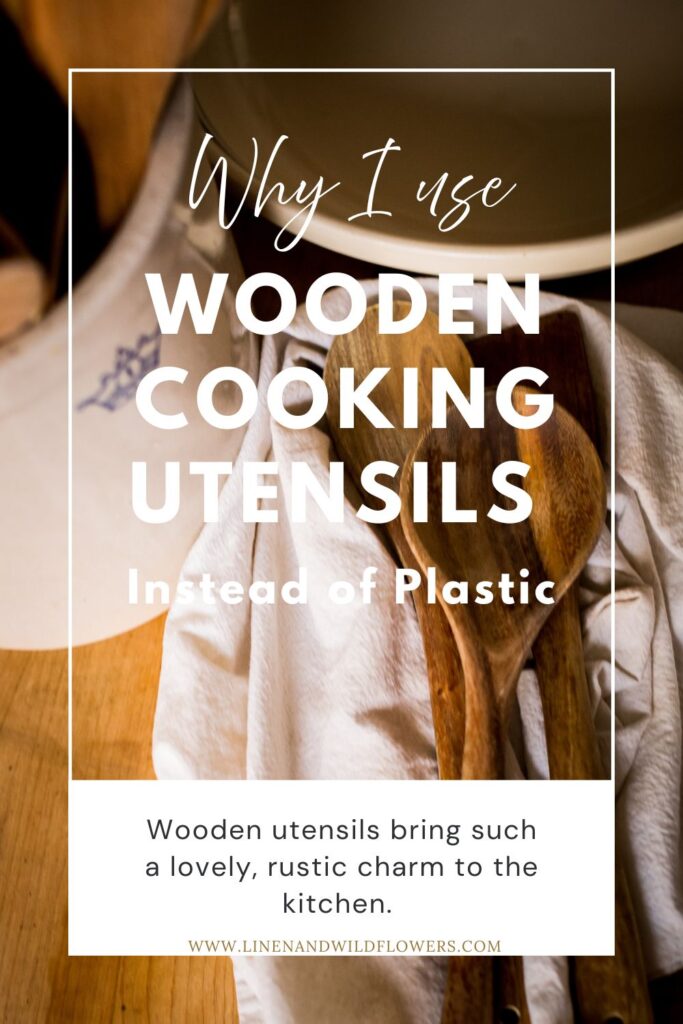
Wooden utensils have become my go-to for almost everything, from stirring stews to serving salads. Not only do they protect my cookware and feel better in hand, but they also align with the old-fashioned charm I love bringing into my home. That’s exactly why I felt inspired to share this post: Why I Use Wooden Cooking Utensils Instead of Plastic.
It’s part of how I create a warm, thoughtful, and sustainable cooking space. Choosing wooden cooking utensils instead of plastic is more than just a preference—it’s a lifestyle choice rooted in safety, simplicity, and sustainability.
There’s something so comforting and old-fashioned about cooking with wooden utensils. Whether I’m stirring a simmering pot of soup or mixing cookie dough from scratch, reaching for a wooden spoon feels right.
Over the years, I’ve found myself reaching for plastic utensils less and less and embracing the warmth and charm of wood. Eventually, I have swapped out all of my plastic tools for timeless, handcrafted wooden ones, and I’ve never looked back!
That shift didn’t happen overnight; it came from learning, experience, and a desire to be more intentional in the kitchen.

- Wooden utensils have become my go-to for almost everything, from stirring stews to serving salads. Not only do they protect my cookware and feel better in hand, but they also align with the old-fashioned charm I love bringing into my home. That’s exactly why I felt inspired to share this post: Why I Use Wooden Cooking Utensils Instead of Plastic.
- Why You Want to Use Wooden Cooking Utensils and Ditch the Plastic
- Natural, Old-Fashioned Charm I Adore
- Wooden Utensils Are Gentle on My Cookware
- Safe, Non-Toxic & Better for the Environment
- Where to Find Good Wooden Utensils
- Durable and Long-Lasting (When You Care for Them)
- They Fit the Homemaker Life I Love
- Thinking of Switching?
- How I Care for My Wooden Utensils
- More Posts You May Fancy
- Frequently Asked Questions
- Final Thoughts…
- Homemaking Made Easy: 5 Days to a Cozy & Organized Home
Why You Want to Use Wooden Cooking Utensils and Ditch the Plastic
They’re Gentle on Cookware
Wooden utensils won’t scratch or damage your cookware, especially non-stick or cast iron. Unlike metal or plastic, which can scrape, melt, or warp, wooden tools are naturally soft yet sturdy—perfect for everyday cooking.
They Just Feel Better in Hand
There’s something about the warmth and texture of a wooden spoon that plastic just can’t match. Wooden utensils have a natural grip and balance that feels comforting. They’re not cold or flimsy, they’re sturdy, reliable, and beautiful to use.
A Safer Choice for Cooking
Plastic utensils can melt or leach harmful chemicals when exposed to high heat. That’s not something I want near my food—or my family! Wooden tools are naturally heat-resistant and free from toxic additives, making them a safer choice when stirring anything hot.
They’re Eco-Friendly and Sustainable
Wooden utensils are biodegradable, renewable, and often handmade. Choosing wooden tools over plastic means I’m reducing waste and making a more sustainable choice for our home and the planet.
Aesthetic Charm in the Kitchen
Let’s be honest, wooden utensils are just beautiful. They bring that vintage, old-world charm I love in my kitchen. Whether displayed in a crock on my counter or tucked into a drawer, they add warmth and a rustic, cozy feel that suits my farmhouse style perfectly.
They Last for Years with Proper Care
Wooden utensils are surprisingly durable. With just a little care—like hand-washing and occasionally oiling—they can last for years, even decades. Some of my favorite spoons were thrifted or passed down, and they’re still going strong.
Natural, Old-Fashioned Charm I Adore
Wooden utensils bring such a lovely, rustic charm to the kitchen. There’s something nostalgic and grounding about using a worn-in wooden spoon that reminds me of generations past. As someone who adores vintage, thrifting, and all things old-fashioned, wooden utensils feel right at home alongside my enamelware and cast iron.
Wooden Utensils Are Gentle on My Cookware
I cook with a lot of cast iron, and enamel-coated pans, and wooden utensils are perfect for them. Unlike metal or plastic, wood doesn’t scratch or damage delicate surfaces. It stirs, scrapes, and flips without leaving a mark.
If you’ve invested time in seasoning your cast iron (like I have), you want to protect it—and wooden spoons do just that!

Safe, Non-Toxic & Better for the Environment
One big reason I’ve chosen wood over plastic is that wood is naturally safe and biodegradable. No worrying about mystery chemicals leaching into my food from heated plastic or watching my utensils melt when they rest on the edge of a hot pan.
Plastic may be convenient, but I’ve seen too many of those handle’s warp, melt, or crack—and that’s not something I want in my kitchen. Choosing wood is not only better for my family’s health, it’s also better for the planet.


Where to Find Good Wooden Utensils
You can find beautiful wooden utensils at:
- Local kitchen stores
- Farmer’s markets
- Etsy
- Amazon
- Antique & Thrift Shops
Durable and Long-Lasting (When You Care for Them)
With a little care—washing by hand, drying right away, and occasionally rubbing with food-safe oil—wooden utensils can last for years. I have a few that were thrifted, others passed down from family, and they’ve only gotten better with age.
They don’t stain or hold onto weird odors the way plastic can (especially if you clean and deodorize them naturally, like I do—see how here). And when a wooden utensil does get worn, it can often be revived with a little sanding and oiling. Try doing that with plastic!
They Fit the Homemaker Life I Love
As someone who leans into homemaking with heart, simplicity, and a love for the vintage lifestyle, wooden utensils are a natural choice.
They reflect the kind of slow-living, intentional kitchen I’m building—a space that values tradition, care, and timeless quality. Plus, they’re just plain beautiful—don’t you agree?

Thinking of Switching?
Look for ones made from hardwoods like maple, olive wood, or beech. Bonus points if they’re handmade or thrifted!
If you’re ready to ditch the plastic and embrace wooden utensils, here are a few of my favorites:
Here’s What I Recommend:
How I Care for My Wooden Utensils
To keep them in tip-top shape, I wash them by hand with mild soap and water (never soak them!). Every few weeks, I rub them down with a little food-safe mineral oil or beeswax to prevent cracking and keep the wood nourished.
More Posts You May Fancy


Frequently Asked Questions

Before I wrap up, I’d love to know—do you cook with wooden utensils, too? Share your favorite tools or tips in the comments below. If ou’ve made the switch from plastic, tell me what you’ve noticed! Let’s inspire each other to build a more intentional, beautiful kitchen space filled with charm, care, and tradition.
Final Thoughts…
I’ll always have a soft spot for the simplicity of wooden utensils. They’re quiet, sturdy companions in my kitchen—reminding me to slow down, stir with care, and enjoy the process of cooking from scratch.
Cooking with wooden utensils brings a sense of tradition and simplicity to my kitchen. It’s a small but meaningful way I embrace a slower, more intentional lifestyle.
If you’ve never tried cooking with wood, or if you’re still using plastic, I encourage you to make the switch. You’ll feel the difference right away. I hope this inspires you to fall in love with these humble tools all over again.

Homemaking Made Easy: 5 Days to a Cozy & Organized Home
This FREE course is for anyone who wants to create a warm, welcoming space, without the overwhelm. Whether you’re just starting out or need a reset, this 5-day journey will walk you through simple steps to make your home feel more peaceful, functional, and you.
It includes:
- Daily Email Lessons
- Printable Freebies
- Easy-to-Follow Tasks
By the end of the 5 days, you’ll feel more at peace, in control, and inspired in your home.
I love how you make the case for wooden utensils in a way that’s both practical and charming. They’re gentle on cookware, heat-resistant, chemical-free, and bring such a warm, rustic touch to the kitchen. Plus, the sustainable and biodegradable aspect makes the choice feel both smart and soulful. Thanks for the thoughtful reminder to ditch the plastic and embrace something timeless!
Thank you so much, Daniela! I appreciate the kind words!
Wood utensils are wonderful, we use them often in our kitchen. Thanks for the great tips about caring for them with oil.
You are very welcome, thank you for reading!
I love the look of wood in a kitchen, especially with utensils that show off their character. It adds so much charm! And, yes a way healthier option than plastics that leech chemicals into your foods. Fantastic article – thanks for sharing!
Yes! Me too! Thank you so much for your kind word, I appreciate it!
I’ve always been nervous about wooden utensils for fear of not getting them properly cleaned. This makes it sound very doable. Great post!
No fear of getting them clean. Thank you so much!
I will be replacing my plastic utensils with wooden ones now after readying this. Great tip for maintaining them with oil.
Thats great! You wont be sorry. Thank you!
Wooden utensils just feel so much better to cook with—they’re sturdy, gentle on cookware, and somehow make the whole cooking experience feel more intentional. Plus, knowing they last longer and are safer than plastic is such a bonus.
Yes, exactly! I have had some of my wooden utensils for years. With proper care, your can last for generations, too!