
My Best Tips for Organizing Your Pantry with Thrifted Finds
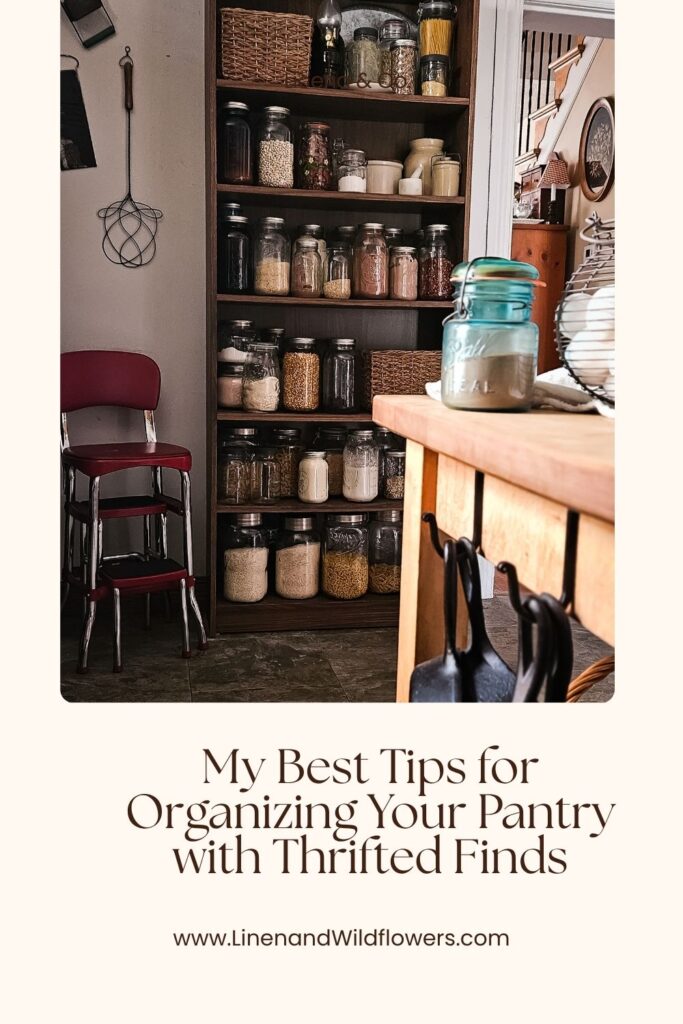
If you’ve ever wondered how to keep your pantry neat without spending a fortune, you’re going to love this! In today’s post, I’m sharing my best tips for organizing your pantry with thrifted finds—a charming, budget-friendly approach that brings both function and old-fashioned style to your kitchen.
My Best Tips for Organizing Your Pantry with Thrifted Finds start with this simple belief: pantry organization doesn’t need to be expensive or overly modern. In fact, some of the most useful items in my open pantry came from yard sales, flea markets, and my favorite local thrift shops.
With a little creativity, you can create a beautifully organized space using secondhand baskets, glass jars, wooden crates, and vintage containers—all while keeping your pantry both practical and pretty.
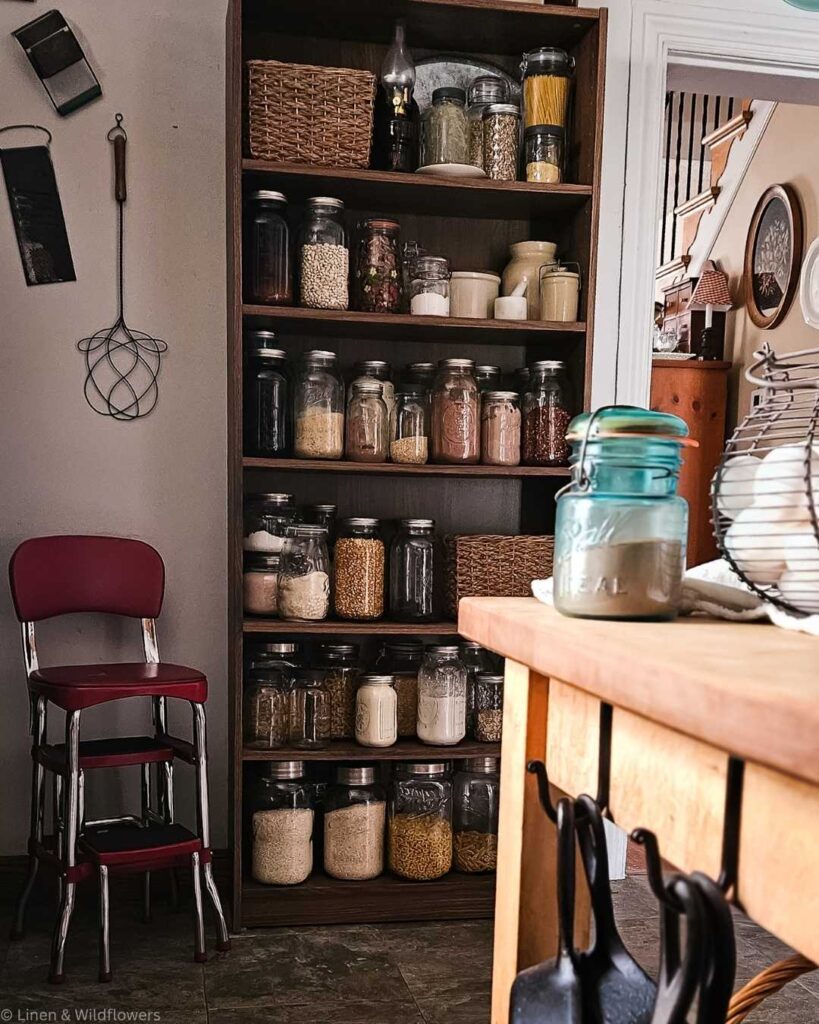
- If you’ve ever wondered how to keep your pantry neat without spending a fortune, you’re going to love this! In today’s post, I’m sharing my best tips for organizing your pantry with thrifted finds—a charming, budget-friendly approach that brings both function and old-fashioned style to your kitchen.
- Organization Pantry Ideas
- Why I Love Organizing with Thrifted Finds
- What to Look for When Thrifting for Pantry Organization
- How to Clean and Prep Thrifted Items for Pantry Use
- How to Deodorize Wicker Baskets
- How to Test Airtightness in Jars
- Removing Old Labels or Rust
- Why This Matter
- More Posts You May Fancy!
- Storage Tips for Bulk & Overflow Pantry Items
- Frequently Asked Questions
- Making the Most of What You Have
- Homemaking Made Easy: 5 Days to a Cozy & Organized Home
Organization Pantry Ideas
Use Baskets for Grouping Like Items
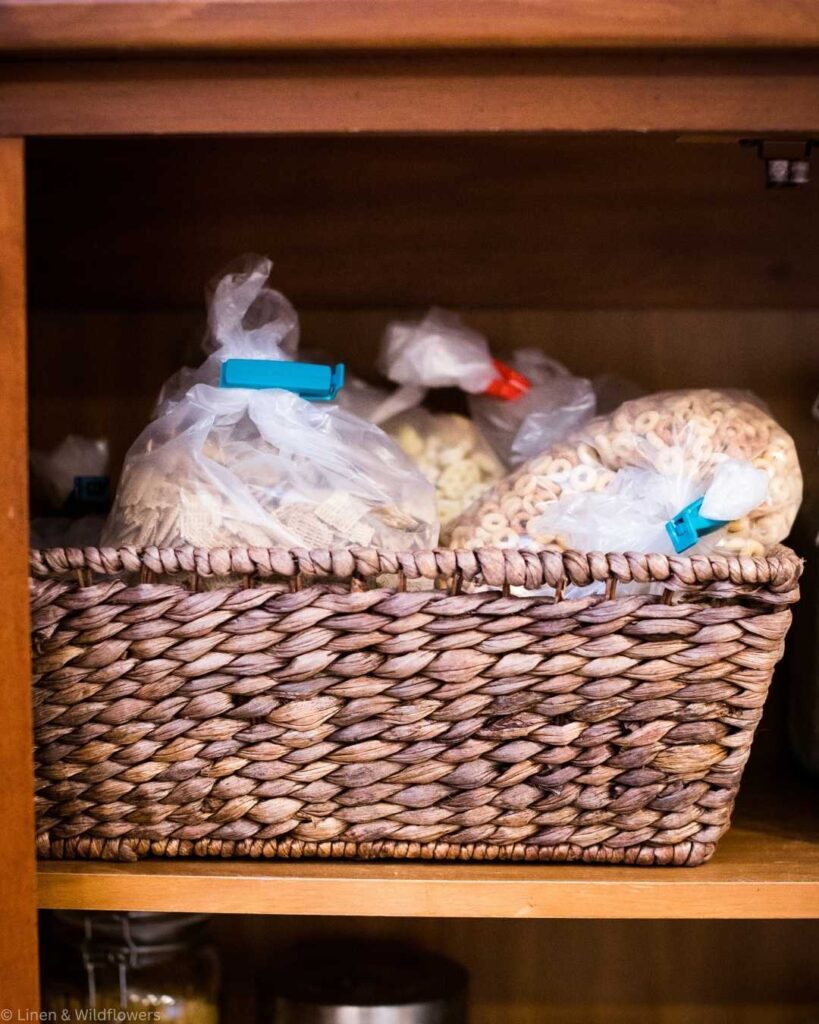
Baskets are a pantry’s best friend. I look for medium-sized baskets at the thrift store to group snacks, baking supplies, or root vegetables. They help cut the visual clutter and make it easier to find what you need fast.
Transfer Dry Goods to Glass Jars
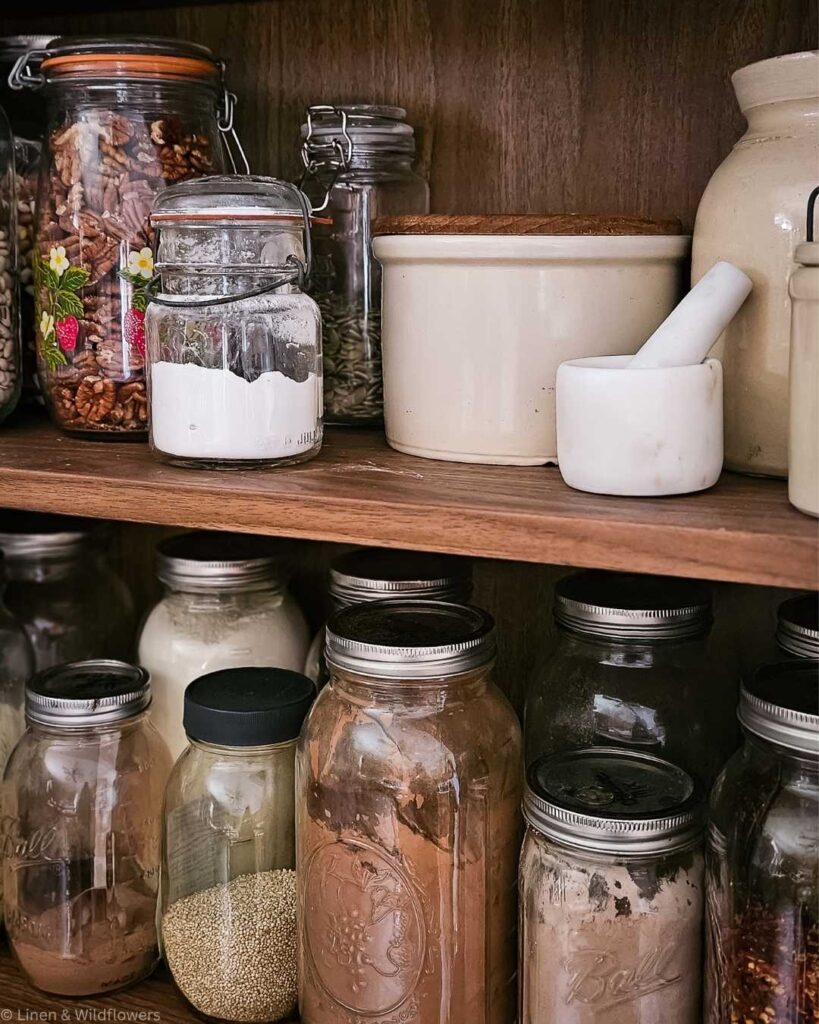
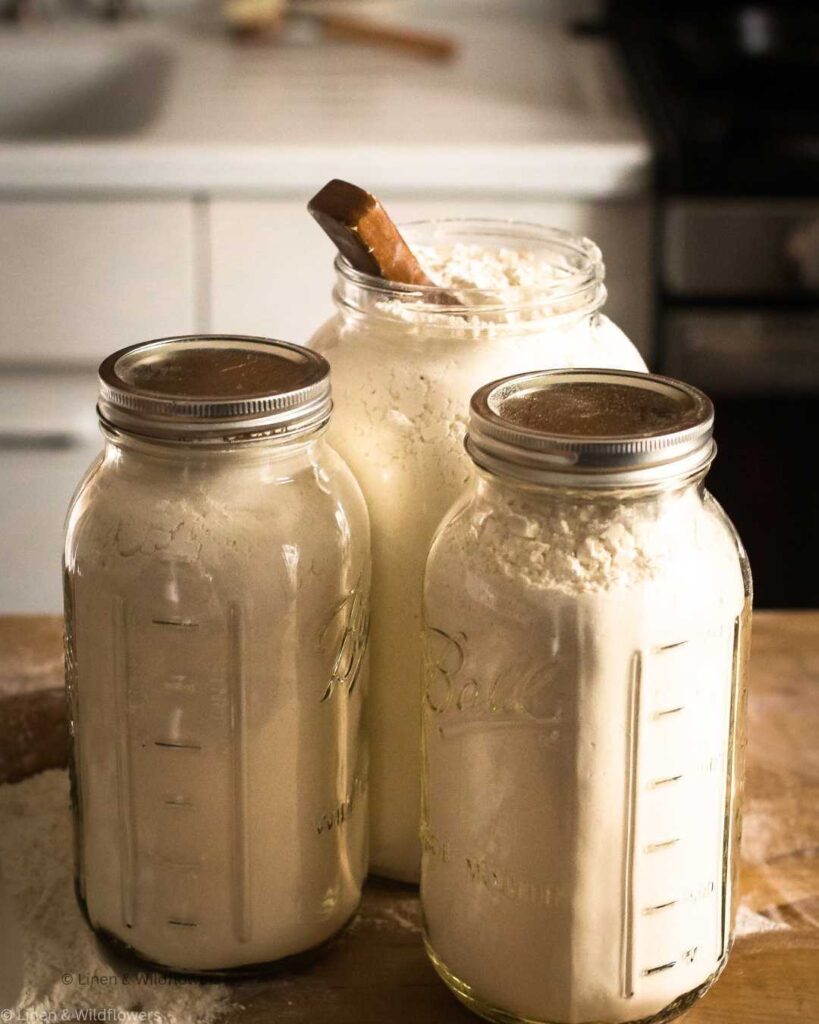
One of my favorite thrifted pantry finds has to be vintage glass jars. I use them to store flour, oats, sugar, pasta, and rice. Not only does it keep everything fresh, but it also adds a timeless touch to your pantry shelves. Look for jars with tight lids or metal clasps for an old-fashioned feel.
Label Everything for Quick Access
Even with thrifted containers, labels make a huge difference. I use simple, classic labels that match the vintage vibe of my jars and tins. It makes it easy to see what’s what—and avoid duplicate purchases.
Rotate and Reuse What You Have
Pantry organization is not just about what you buy—it’s about using what you have wisely. Every few months, I rotate items, wipe down shelves, and donate anything we’re not using. I find that this keeps everything tidy and ensures I’m making the most of my thrifted storage solutions.
Why I Love Organizing with Thrifted Finds
There’s something so satisfying about creating a beautiful, organized space using items that have a story. Organizing your pantry with thrifted finds not only saves money but also adds warmth, character, and sustainability to your home. Plus, every time I open my pantry door, I’m reminded of the joy of the hunt—and the charm of old-fashioned homemaking.
What to Look for When Thrifting for Pantry Organization
If you’re heading to the thrift store with pantry goals in mind, it’s helpful to know what to keep an eye out for. These secondhand treasures can help you organize your pantry with charm and purpose—often for just a few dollars. Here’s a handy checklist of what I always look for when thrifting for pantry organization:
While out thrifting recently, I stumbled upon the most charming antique crock—complete with a wooden lid! It has that perfectly aged patina I love, and it’s surprisingly practical, too. I brought it home, gave it a good clean, and now it sits proudly on my pantry shelf. It’s the perfect size for stashing granola bars and little snacks. I love it when a find is both beautiful and functional!
How to Clean and Prep Thrifted Items for Pantry Use
Before you fill your pantry with beautiful secondhand finds, it’s important to clean and sanitize them properly. Most thrifted items have had a previous life, so giving them a little TLC ensures they’re safe, fresh, and ready to be part of your home.
Here’s a simple guide I follow whenever I bring home new (to me) pantry pieces:
How to Deodorize Wicker Baskets
Thrifted baskets can carry musty odors from storage or long-term use. Here’s how I freshen them up:
- Vacuum the basket gently to remove dust and debris.
- Mix a spray of equal parts white vinegar and water, then mist over the basket (don’t soak).
- Air dry in the sun for a few hours—sunlight naturally deodorizes and helps kill bacteria.
- For strong odors, sprinkle baking soda inside and leave it overnight before vacuuming it out.
How to Test Airtightness in Jars
Not all thrifted jars are created equal—some look pretty but don’t seal properly. Here’s how I check them:
- Close the jar and listen for a “pop” or tight snap; it’s a good sign it’s airtight.
- If unsure, fill the jar with water, close it, and gently tilt or shake. If it leaks, the seal is loose.
- Replace rubber gaskets if they look dry, cracked, or missing.
Tip: You can find inexpensive replacements online or in hardware stores.
Removing Old Labels or Rust
Old jars, tins, or metal pieces often come with sticker residue or rust spots, but it’s easy to clean them up:
- Soak glass jars in warm water with dish soap for 15–20 minutes to loosen labels.
- Use a paste of baking soda and oil (like coconut or vegetable) to scrub off sticky glue.
- For rust, especially on metal lids or tins, use a mixture of lemon juice and salt or a bit of white vinegar and a scrub pad. Be gentle so you don’t damage the surface.
Why This Matter
Cleaning thrifted pantry items is more than just about looks—it’s about health and safety. Especially if you’re storing food in jars, using baskets near fresh produce, or displaying utensils in crocks.
It’s essential to remove any residue, odors, or bacteria from their previous use. Plus, taking the time to prep each piece makes them feel like your own, ready to serve a new purpose in your cozy, well-loved pantry.
More Posts You May Fancy!
Pantry Staples You Need For Your Kitchen + Free Download
Organization Tips for your Pantry
Create a Clutter-Free Open Pantry
Storage Tips for Bulk & Overflow Pantry Items
Even the most beautifully organized pantry can start to feel cluttered when you’re storing bulk items or overflow groceries. Through Organizing Your Pantry with Thrifted Finds, I’ve learned a few tricks that help me stay ahead of the chaos—without sacrificing the cozy, curated look I love.
Here are my favorite storage tips for handling extras while still keeping your pantry tidy and functional.
- Use Under-Shelf Baskets or Clip-On Racks: Maximize vertical space by adding under-shelf baskets. These are great for storing lightweight items like napkins, backup snacks, or drink packets. You can often find them secondhand or affordably online.
- Designate an Overflow Basket or Bin: Keep one large basket (thrifted, of course!) for overflow items—extra flour, unopened snacks, or bulk goods you haven’t decanted yet. Label it clearly and keep it accessible but out of prime pantry real estate.
- Store Excess in the Basement or Utility Closet: If space is limited, designate a shelf or cabinet outside the kitchen for surplus staples—like canned goods, bottled water, or backup cleaning supplies. Use crates or lidded bins to keep things grouped by category.
- Label Everything Clearly: When storing overflow, use labels just like you would inside your pantry. It will save time and avoid confusion when it’s time to restock your main shelves.
- Rotate Stock Regularly: Set a reminder every couple of months to check expiration dates and rotate items. Keep newer purchases in the back so you use up older products first—just like grocery stores do!
Frequently Asked Questions
What are the best-thrifted items to organize a pantry?
Look for glass jars with lids, baskets, tins, vintage spice racks, lazy Susans, and wooden crates. These items are both functional and decorative.
Wash glass and ceramic containers in hot, soapy water or run them through the dishwasher. Wipe down baskets with a damp cloth and let them air dry. If items have a lingering smell, let them sit in the sun for a few hours or use baking soda to absorb odors.
Use vertical space with tiered shelves, stackable bins, or hanging organizers. Thrifted spice racks or narrow trays can help make the most of every inch in a small pantry.
Yes—as long as they have airtight lids or seals. You can also add a food-safe rubber gasket to vintage jars for better closure.
Making the Most of What You Have
Organizing your pantry with thrifted finds isn’t just about saving money—it’s about creating a home that feels warm, personal, and lived-in. Every item has a story and adds charm to your space.
With a little creativity and some patience, you can turn even the most cluttered pantry into a beautiful, functional part of your home.
So the next time you’re out thrifting, keep your eyes open for those overlooked treasures—they might be the perfect solution for your pantry makeover.
What’s your favorite thrifted pantry find? I’d love to hear about it in the comments!

Homemaking Made Easy: 5 Days to a Cozy & Organized Home
This FREE course is for anyone who wants to create a warm, welcoming space, without the overwhelm. Whether you’re just starting out or need a reset, this 5-day journey will walk you through simple steps to make your home feel more peaceful, functional, and you.
It includes:
- Daily Email Lessons
- Printable Freebies
- Easy-to-Follow Tasks
By the end of the 5 days, you’ll feel more at peace, in control, and inspired in your home.