
How to Make Sauerkraut (Easy Homemade Recipe for Beginners)
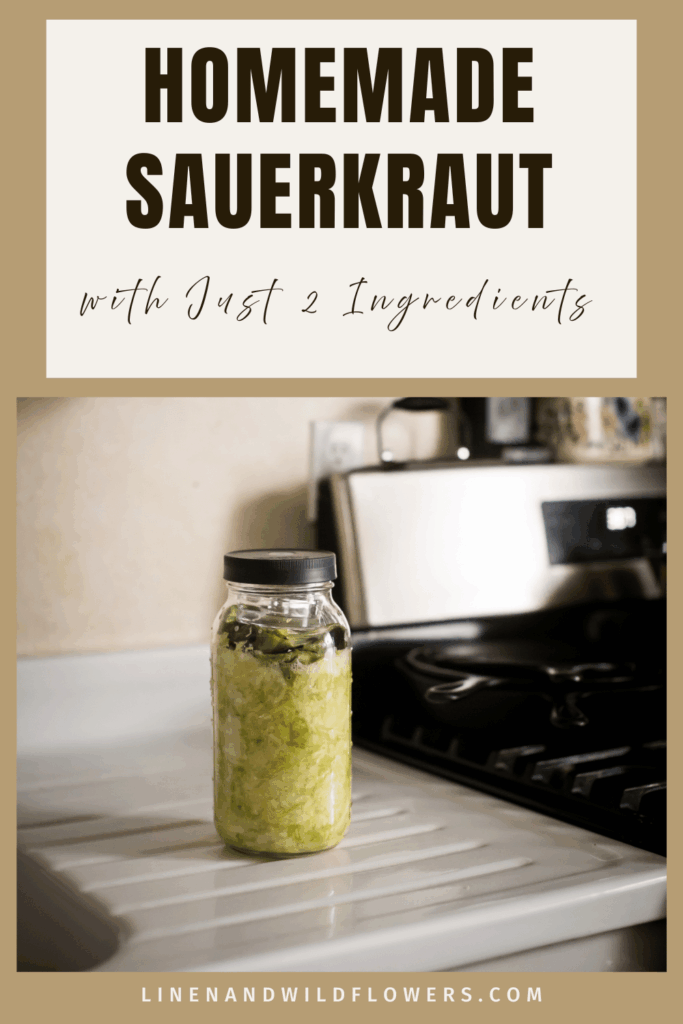
Learning how to make sauerkraut at home is much easier than you might think. This easy recipe uses just two simple ingredients, fresh cabbage and salt, plus a little patience. No fancy equipment, no complicated steps, just an old-fashioned method that delivers big flavor and incredible health benefits.
Once you learn how to make sauerkraut, you may find yourself wondering why you didn’t start sooner. Homemade sauerkraut has a fresher taste, a crisper crunch, and a natural tang that store-bought versions can’t match.
I’ll be honest, the first batch I ever made was a total fail. It was way too salty and honestly pretty awful. But I didn’t give up. After a few rounds of trial and error, I finally found the perfect balance, and now this is the best homemade sauerkraut we’ve ever had.
My Austrian husband grew up eating sauerkraut, so once I perfected this recipe, I knew it would become a staple in our kitchen. Even my grown son loves it, and now I’m teaching my daughter-in-law how to make sauerkraut, too. It’s one of those simple traditions that gets passed down—and that’s part of what makes it so special.
Looking for easy side recipes? Try my recipe, Easy Crockpot Applesauce (With Canning Instructions) or this recipe for How to Make Homemade Applesauce (Easy Recipe with Only 4 Ingredients!)
As an Amazon Associate, I earn from qualifying purchases, and this post contains affiliate links to products I love ♥ See my full disclaimer here!
Post Updated December 31, 2025
- What you'll love about this recipe:
- Tools Needed for Sauerkraut Fermentation
- Recipe Ingredients
- How to Make Sauerkraut Step-by-Step
- Sauerkraut Troubleshooting Tips
- Health Benefits of Sauerkraut
- Sauerkraut is packed with vitamin C, iron, and natural probiotics that support gut health, digestion, and immunity. Adding a little fermented food to your daily routine is an easy way to naturally boost overall wellness.
- Storage Recommendations
- Additions & Substitutions
- Frequently Asked Questions (FAQ)
- Serving Ideas for Sauerkraut
- More Recipes You'll Fancy!
- How to Make Sauerkraut (Easy Homemade Recipe for Beginners)
- Final Thoughts
- Love simple, homemade snacks?
What you’ll love about this recipe:
If you’re looking for a reliable, no-fuss way to make sauerkraut at home, this recipe is a great place to start.
Tools Needed for Sauerkraut Fermentation
- Large bowl
- Sharp knife
- 2-quart glass mason jar
- Wooden spoon
- Kitchen Towel
Optional (But Helpful) Tools
None of these are required, but they can make the process a little easier.
- Cabbage shredder or food processor
- Kraut stomper
- Fermentation weights
- Jar Funnel
Recipe Ingredients
You’ll need the following ingredients to make this sauerkraut :
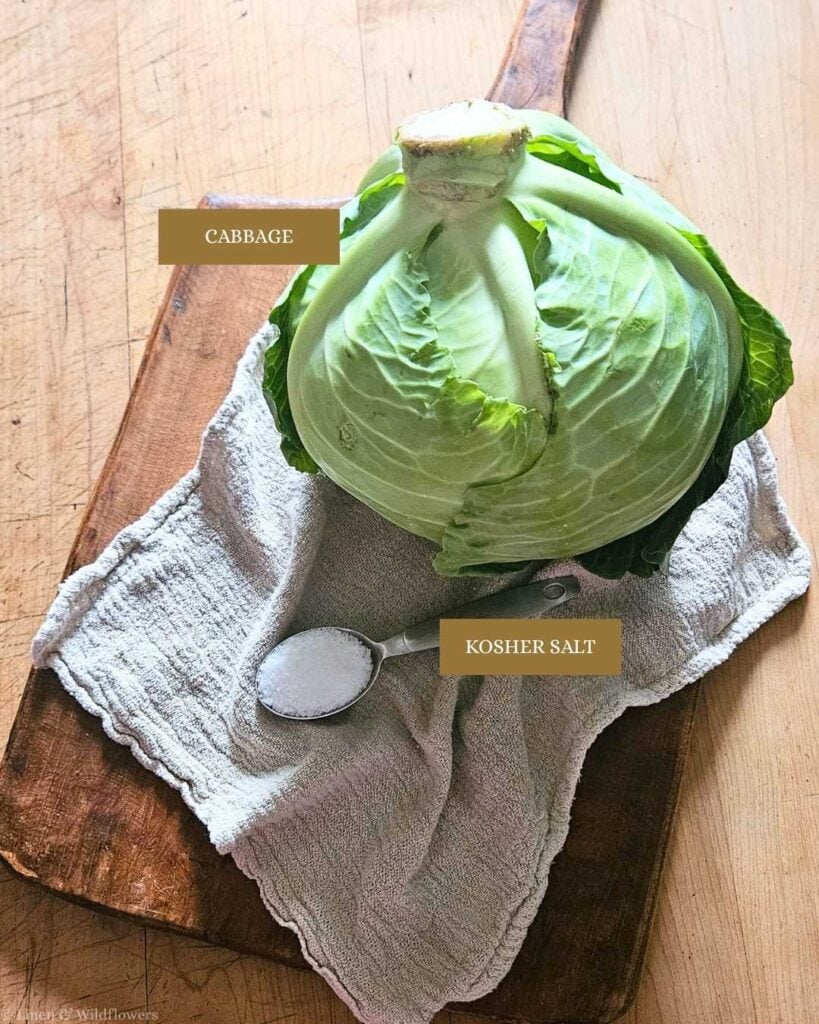
Note on Salt: For best results, use non-iodized salts. Kosher salt is recommended, but you can also use sea salt. Avoid using table salt, especially iodized varieties, as they contain additives that can negatively affect fermentation.
That’s it! Green cabbage works best for classic sauerkraut, but once you’re comfortable, you can experiment with other purple cabbage.
How to Make Sauerkraut Step-by-Step
Here are quick visual instructions for making Sauerkraut step-by-step. Remember, the full instructions will be in the printable recipe card below.
- Remove and reserve an outer cabbage leaf.
- Core and shred the cabbage into a large bowl.
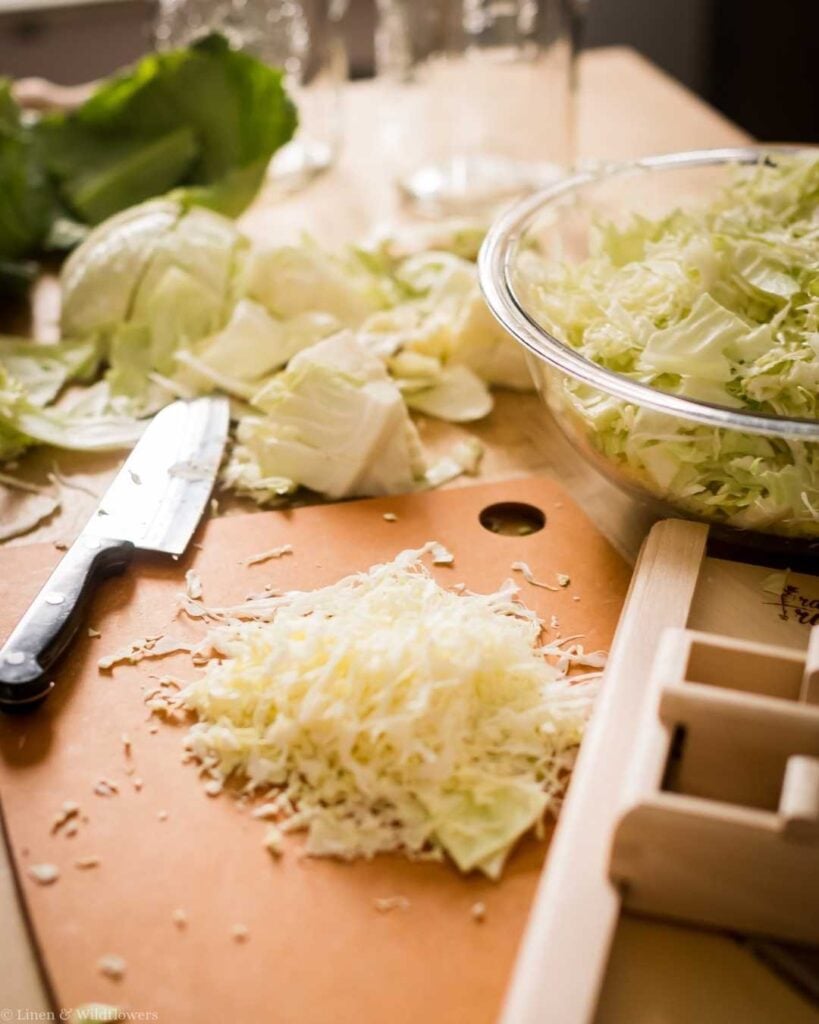
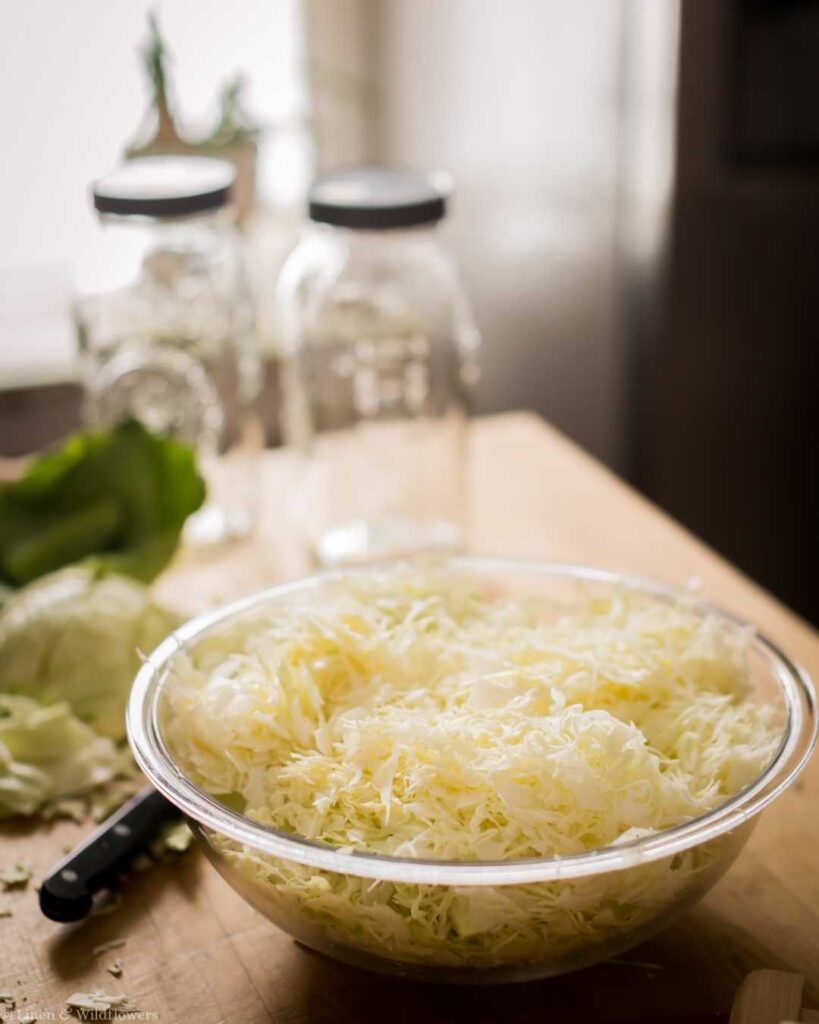
- Sprinkle with salt and massage until juices release.
- Let the cabbage rest, then massage again to build brine.


- Press until the brine rises above the cabbage.
- Cover with the reserved cabbage leaf and weight if using.
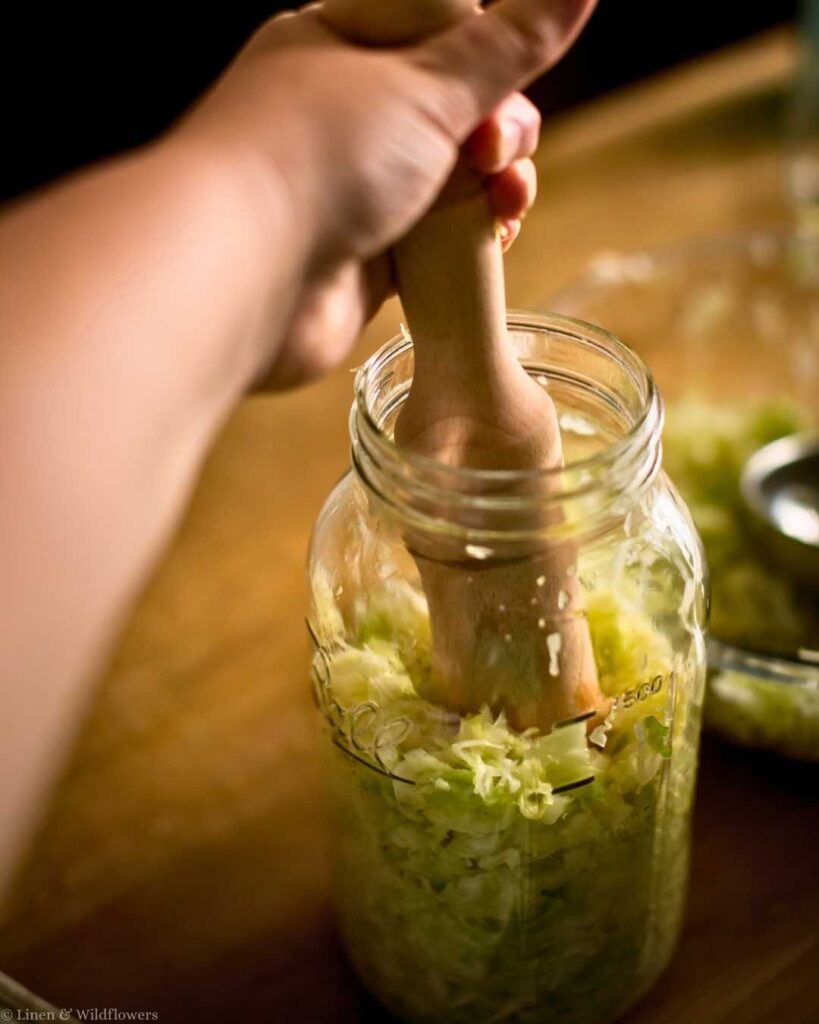

- Seal the jar and ferment in a cool, dark place.
- Taste after several days and refrigerate when the desired sourness is reached.
Note: If you have a glass fermentation weight, place it on top of the folded cabbage leaf to keep the kraut fully submerged.
Sauerkraut Troubleshooting Tips
Even simple fermented foods can have a learning curve. If something doesn’t look or taste quite right, these quick fixes can help.
Sauerkraut Is Too Salty
If your sauerkraut tastes overly salty, don’t panic.
What happened:
Too much salt or a smaller-than-average head of cabbage.
How to fix it:
- Rinse the sauerkraut lightly before serving
- Mix it with fresh shredded cabbage or add it to cooked dishes like soups or pork and kraut
- For future batches, weigh your cabbage or slightly reduce the salt
Not Enough Brine
The cabbage must stay submerged under brine for safe fermentation.
What happened:
Not enough massaging, or the cabbage was less juicy.
How to fix it:
- Massage the cabbage longer to release more liquid
- Press the cabbage down firmly in the jar
- Add a small amount of saltwater brine (1 teaspoon salt per 1 cup water) if needed
Mold vs. Yeast: What’s the Difference?
This is one of the most common concerns when making sauerkraut.
Kahm Yeast (Safe):
- White or cloudy film on the surface
- Strong smell, but not rotten
- Can be skimmed off safely
Mold (Unsafe):
- Fuzzy growth (green, black, blue, or pink)
- Spreads into the cabbage
- Indicates spoilage — discard the entire batch
Tip: Keeping the cabbage fully submerged under brine helps prevent both yeast and mold.
Health Benefits of Sauerkraut
Sauerkraut is packed with vitamin C, iron, and natural probiotics that support gut health, digestion, and immunity. Adding a little fermented food to your daily routine is an easy way to naturally boost overall wellness.
Storage Recommendations
Proper storage helps maintain flavor, texture, and the beneficial probiotics in your homemade sauerkraut.
Short-Term Storage (Refrigerator)
Once your sauerkraut has finished fermenting (usually after 5–7 days), store it in the refrigerator with the lid tightly sealed. Refrigeration slows fermentation and helps preserve its crisp texture.
- Keeps well for several months
- Flavor will continue to deepen slightly over time
- Always use a clean utensil when removing sauerkraut
Long-Term Storage Options
If you’d like to store sauerkraut for longer periods:
- Freezer: Transfer to an airtight container and freeze for up to 6 months
Note: Freezing may reduce some probiotic benefits but preserves flavor. - Canning: Suitable for shelf-stable storage, though heat processing will eliminate probiotics
Storage Tips
- Discard if the kraut develops a rancid smell or slimy texture
- Keep cabbage submerged under brine to prevent spoilage
- If liquid rises or pressure builds, gently open the lid to release gas
Additions & Substitutions
Additions
Carrots: Shred 1–2 medium carrots along with the cabbage for a touch of natural sweetness and extra crunch.
Caraway Seeds: Add 1–2 teaspoons of caraway seeds when massaging the cabbage to give a classic, aromatic flavor.
Substitutions
Salt: Use sea salt instead of kosher salt if that’s what you have on hand—just keep the measurement the same.
Cabbage Variety: Try green cabbage, red cabbage, or a mix for different flavors and colors.
Frequently Asked Questions (FAQ)
Sauerkraut typically ferments in 3–5 days, depending on room temperature. A longer fermentation results in a more sour flavor.
It should taste pleasantly tangy, not resemble salted cabbage. The color will soften from bright green to pale yellow.
Yes. Overfermentation can make the cabbage mushy. If the texture breaks down, it’s best to discard it.
A spoiled batch will smell unpleasant or feel slimy. Healthy sauerkraut has a clean, sour aroma.
Note: White film (Kahm yeast) on top is harmless and can be scraped away. If it smells foul after removal, discard the batch.
Serving Ideas for Sauerkraut
- As a daily side dish
- On hot dogs or sausages
- Classic pork and kraut
- Added to rice bowls
- Topping for baked potatoes
- Stirred into scrambled eggs

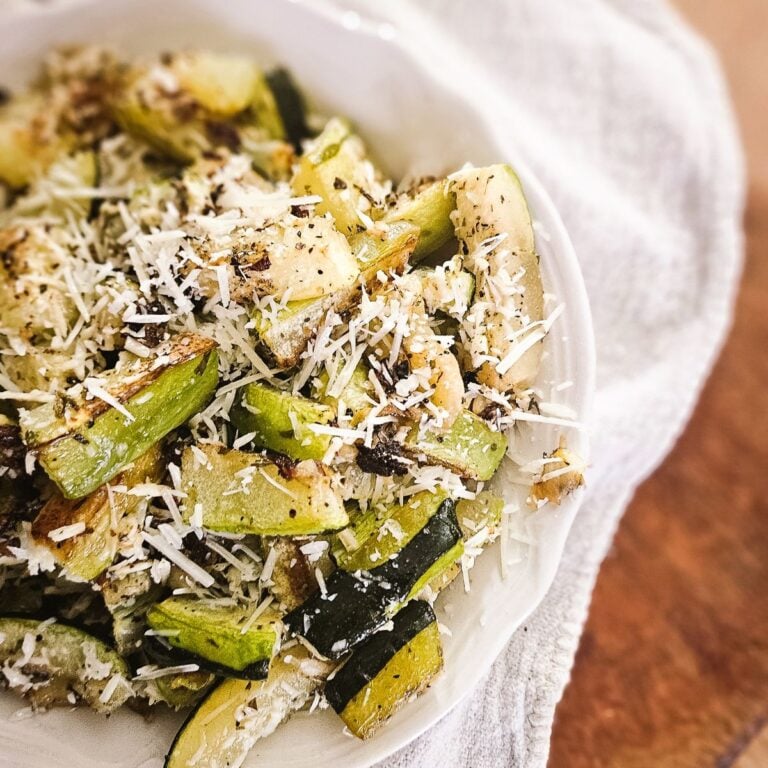
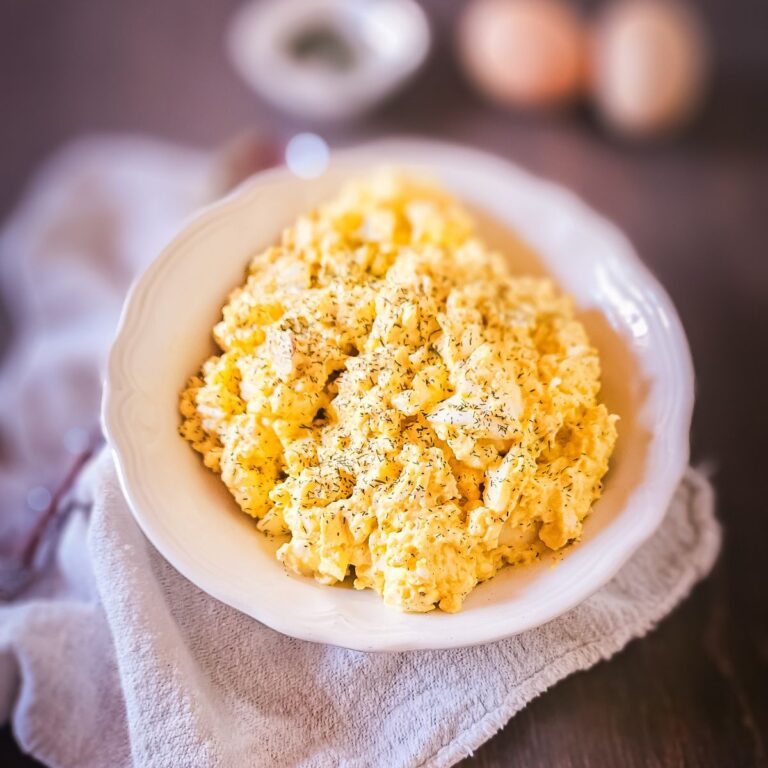
More Recipes You’ll Fancy!

I hope you love How to Make Sauerkraut. If you make it, please be sure to leave a comment and a rating, so I know how you like it. Enjoy, Xo

How to Make Sauerkraut (Easy Homemade Recipe for Beginners)
Equipment
- Food Processor optional
- Jar Funnel optional
- Large Bowl
- Large Sharp Knife
- Wooden spoon
- Hand Towel
- 2-quart Glass Mason Jar
- Fermentation weights optional
- Kraut stomper optional
Ingredients
- 1 Cabbage
- 1 tbsp Kosher Salt
Instructions
- Remove the outer leaves of the cabbage and set one aside for later.
- Cut the cabbage into quarters and remove the core.
- Shred the cabbage and place it in a large bowl.
- Sprinkle the cabbage with 1 tablespoon of kosher salt.
- Massage the cabbage with clean hands for about 5 minutes. Cover with a tea towel and let it rest for 20–30 minutes.
- Repeat the massaging and resting process two more times. The liquid released is called brine.
- Spoon the cabbage and brine into a 2-quart mason jar, packing it down firmly.
- Use a wooden spoon or stomper to press the cabbage until the brine rises above it.
- Fold the reserved cabbage leaf and place it on top to keep everything submerged.
- Add a fermentation lid or a regular canning lid.
- Store the jar in a cool, dark place away from direct sunlight.
Notes
Serving Ideas for Sauerkraut
- As a daily side dish
- On hot dogs or sausages
- Classic pork and kraut
- Added to rice bowls
- Topping for baked potatoes
- Stirred into scrambled eggs
Nutrition
Final Thoughts
Making sauerkraut at home is simple, rewarding, and well worth the effort. With just cabbage, salt, and a little time, you can create something flavorful, nourishing, and far better than store-bought.
Don’t worry if your first batch isn’t perfect. Fermentation is a learning process, and each batch gets easier and better. Pay attention to the smell and taste as you go, and trust the process.
Once you learn how to make sauerkraut, it’s a habit that’s easy to keep. A jar in the fridge means you always have a fresh, tangy addition ready for meals—and a small way to enjoy traditional, homemade food right at home.
Love simple, homemade snacks?
Want more easy, cozy snacks? You’ll get 5 no-fuss, simple, delicious recipes you can make anytime.
This is so so helpful! I’ve never made it before and hope to make it this summer. Thanks for a great tutorial!
You are very welcome!
I love the simplicity of sauerkraut. Thanks for posting a great tutorial on it!
Thank you & you are very welcome!
I have been fermenting for years and I’ve never seen the folded leaf trick! Where has that been all my life?! Great tutorial.
Right! I learned this trick from another blogger. It is definitely the best trick ever.
What a great recipe! I’m just learning to ferment so I’m glad to be in on the folded leaf trick at the beginning! Thanks for sharing this.
Thank you! I have been too & love it!
I’m not a huge fan of sauerkraut but the hubbins is. I guess I don’t have an excuse not to make it now. Thank you for the post!
haha, he probably would love it too!
This is exactly how I make my sauerkraut, and I love it!!
When I worked as a Public Health Inspector and visited a Chinese or Korean restaurant, the awful smell of fermented cabbage that permeated the restaurant was an experience. It is interesting to read how you make Sauerkraut; it is a simple recipe. Yesterday I read another Homesteader’s recipe for making fermented turnips. I know that fermented vegetables promote a healthy digestive system, but will take me some time to acquire the smell. Thanks for sharing your recipe.
My wife has been making this for a while now. I will never buy store brand again. I actually take the jar out of the fridge and eat a bowl of it by itself every day. It’s so delicious. I have to ask my wife if she makes it this way. Thank you for the tips and recipes. Always great tips and information. Love your blog, keep it up please.