
Our 1885 Historic Home Tour: A Story of Charm, Character & Family Life
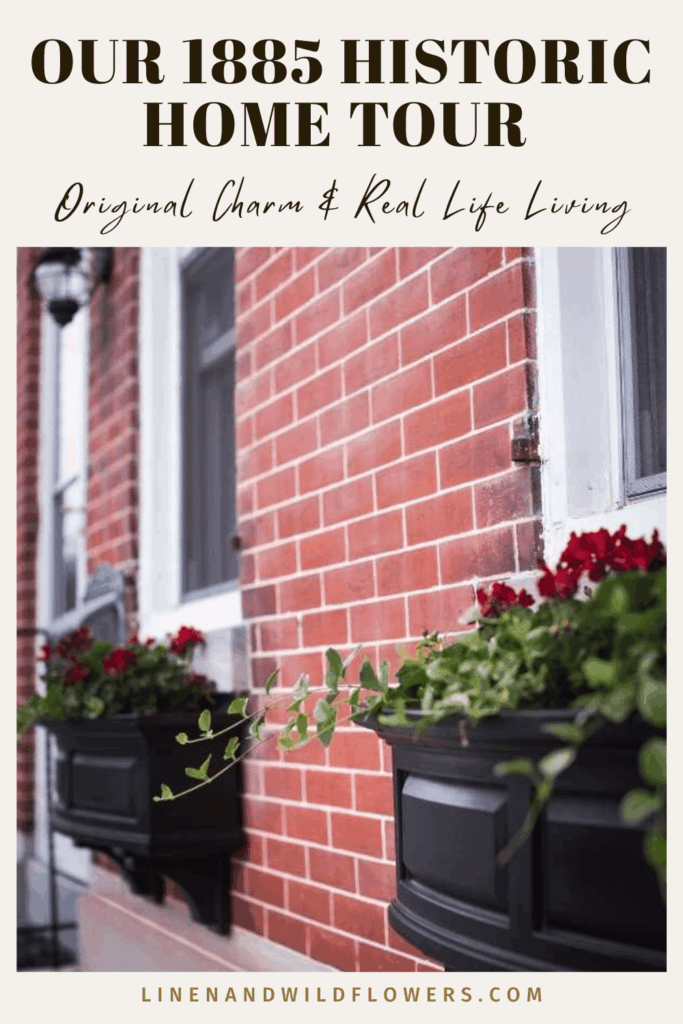
If you’ve followed along on social media or here on the blog, you’ve likely seen glimpses of our living room, dining room, kitchen, and cozy corners filled with antique and thrifted finds. But today, I’m sharing something more personal, a full look at our 1885 historic home, its original details, its imperfections, and the memories we’re creating within these walls.
When we first walked into this home, it needed a lot of love. Layers of paint, outdated finishes, and years of wear covered its charm, but we could see the potential right away.
This is the story of our home, our style, and our journey embracing the beauty of old-house living.
A Glimpse into Our 1885 Historic Home
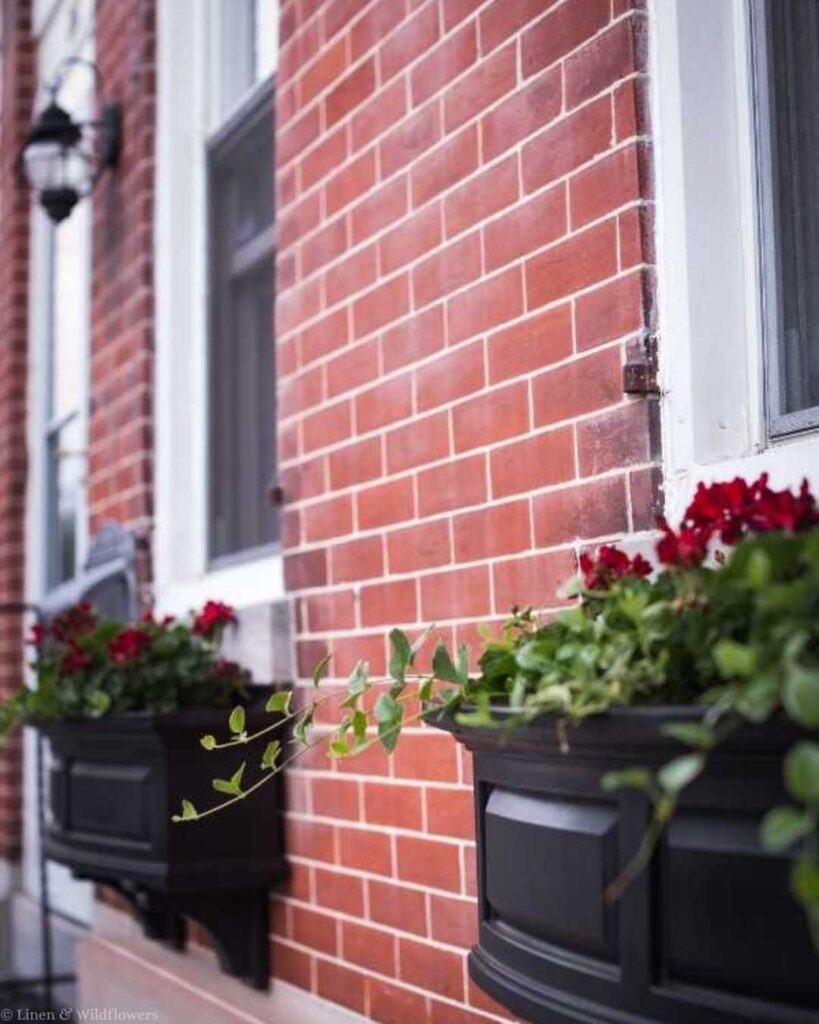
Our home is a twin townhouse built in 1885, full of character and history. The exterior is brick, while the interior walls are primarily stone, a detail that still amazes me today. With 1,920 square feet, five bedrooms, a basement, and a walk-up attic, it offers plenty of space for our family.
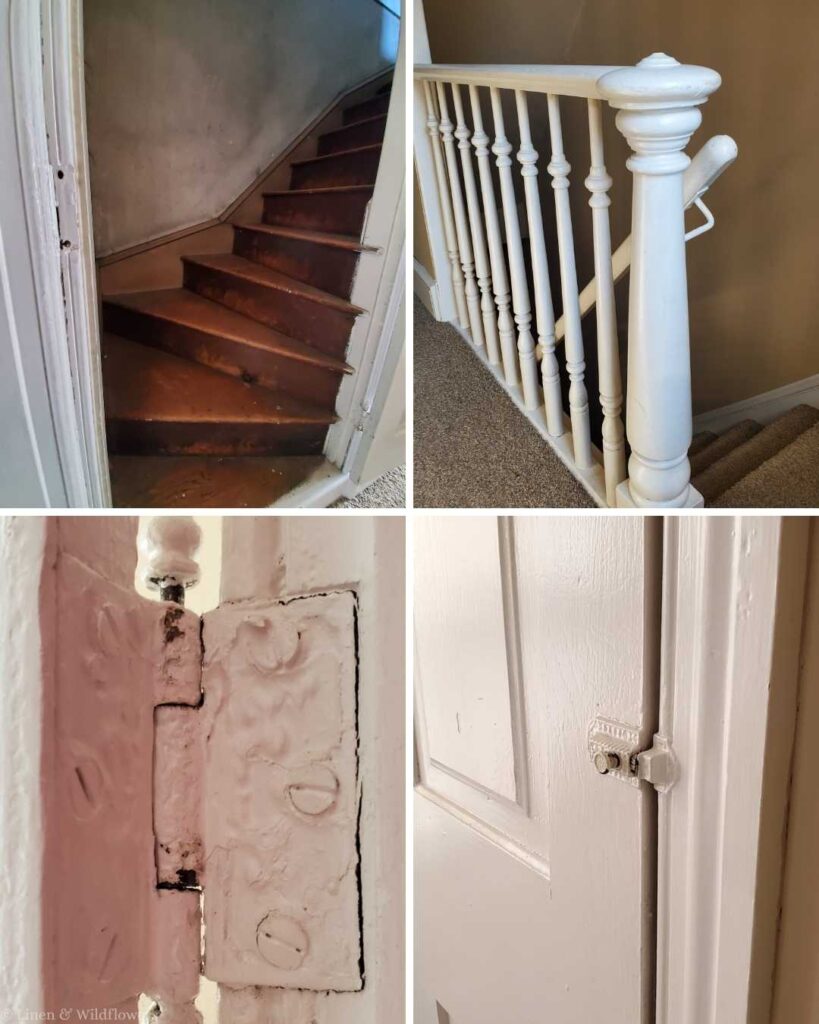
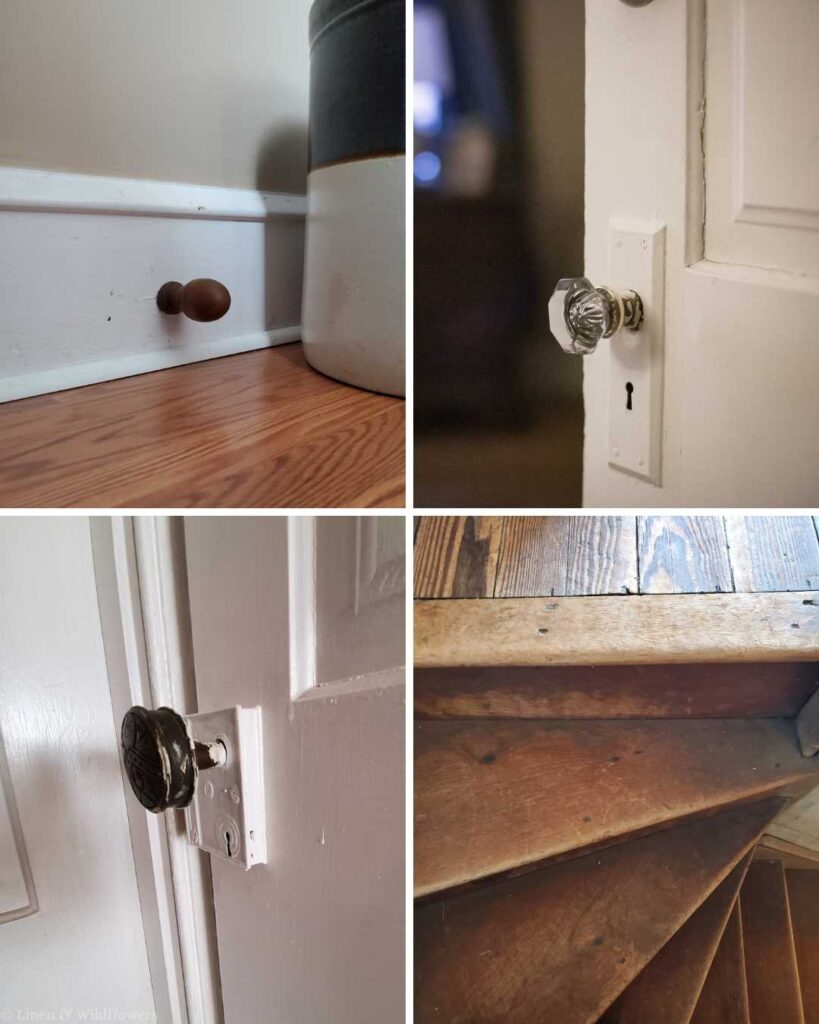
What drew me in most was the charm, original hardwood floors, worn-in stairs, vintage doors, and those beautiful old doorknobs that whisper stories from the past.
Original Features We Still Love
While not everything remains untouched, there are still several original elements that make this house feel special:
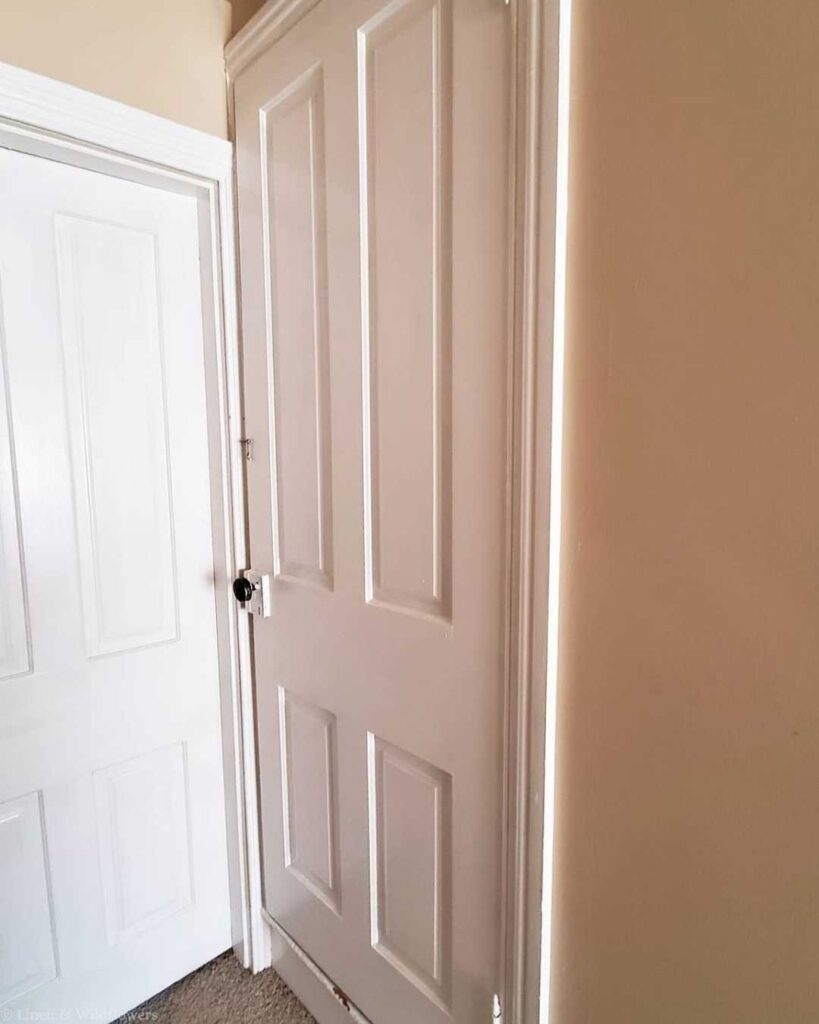
- Original wood doors layered with years of paint
- Vintage doorknobs in bedrooms, bathroom, and attic
- Wide baseboards, a signature of 19th-century homes
- Victorian-style door casings are still intact
- Original attic stairs have been used for over a century
- One remaining mantel on the third floor
- Original closets in several bedrooms
- Decorative door latches (a rare find today)
These details are what give our home its soul—and why I’m so passionate about preserving them.
Where Our Story Began
We purchased our home in February 2018, right when our kids were in high school. While we initially dreamed of a single-family home with land, this house fit our needs and budget at the time.
It gave our children and our grandchildren the space they needed, and for that, I’m incredibly grateful. Our grandchildren living with us are especially meaningful. After the loss of our daughter, they became part of our everyday life in a deeper way.
This home has been more than just a place to live; it has been a place of comfort, healing, and togetherness as we walk through life as a family.
Living in a Small Pennsylvania Town
Our home is located in a small town in Pennsylvania. While the area isn’t known for historic homes, there’s still a quiet sense of history here.
One of the most meaningful parts? Our attached neighbors grew up in these homes. Their family history is woven into these walls, and I love hearing their stories; it makes this house feel even more alive.
What I Love Most About Our Historic Home
Even with its quirks, there is so much to love:
- The original craftsmanship
- The character you simply can’t recreate
- The space for our family to grow
- The memories we continue to build
We’ve worked hard to restore what we can while staying within budget, and every small update makes this home feel more like ours.
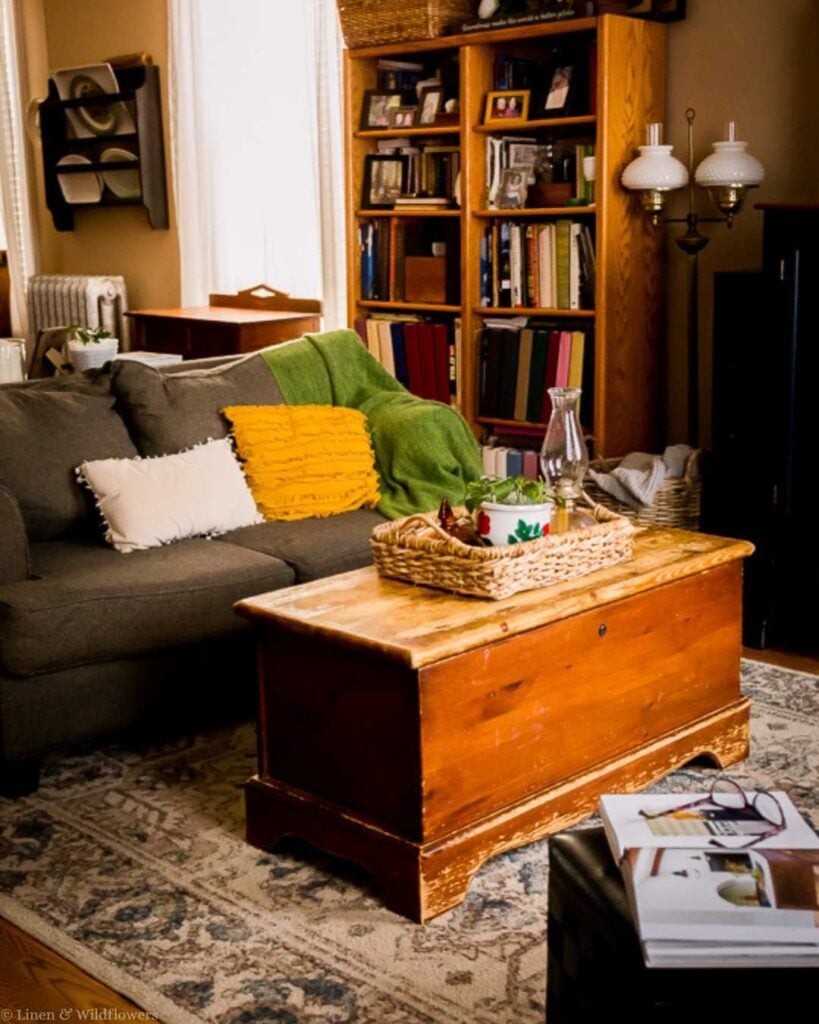
I love decorating our home over time using meaningful pieces, often thrifted finds that add character and history.
Quick Facts About Our 1885 Historic Home
- Built: 1885
- Style: Twin townhouse
- Location: Pennsylvania
- Size: 1,920 sq. ft.
- Bedrooms: 5
- Bathrooms: 1
Features: Original doors, woodwork, attic, vintage farmhouse sink
The Challenges of Living in an Old House
Of course, old homes come with their fair share of challenges.
One Bathroom for Five People
Yes, we have just one bathroom for five people. It’s not easy, but we manage—just like when I grew up with five siblings and one bathroom.
Small Bedrooms
Most of the bedrooms are on the smaller side, but we’ve learned how to make them functional and cozy. However, except for the one on the 3rd floor towards the front of the house.
The master bedroom is small, but we managed to fit a king-size bed, two nightstands, and two dressers. It’s tight, but we make it work.
The closets are also on the smaller side, which is common in homes from this era. While they are original to the house and full of character, they don’t offer the storage space you might expect in a modern home.
So we’ve had to get creative with organization. We are grateful for the attic and the basement for extra space!
The Kitchen (A Work in Progress)
My vision? A cheerful cottage country kitchen filled with color, natural wood, and vintage charm, a space that feels warm and welcoming as I start my mornings with coffee and quiet devotions.
My kitchen has so much potential. Right now, it has a drop ceiling (why?!), but we have big dreams for this space. A dishwasher is definitely at the top of my wish list!
We plan to expose the old beams to bring out the original character, then add classic subway tile to the walls and beadboard to the ceiling for that cottage-farmhouse feel I love.
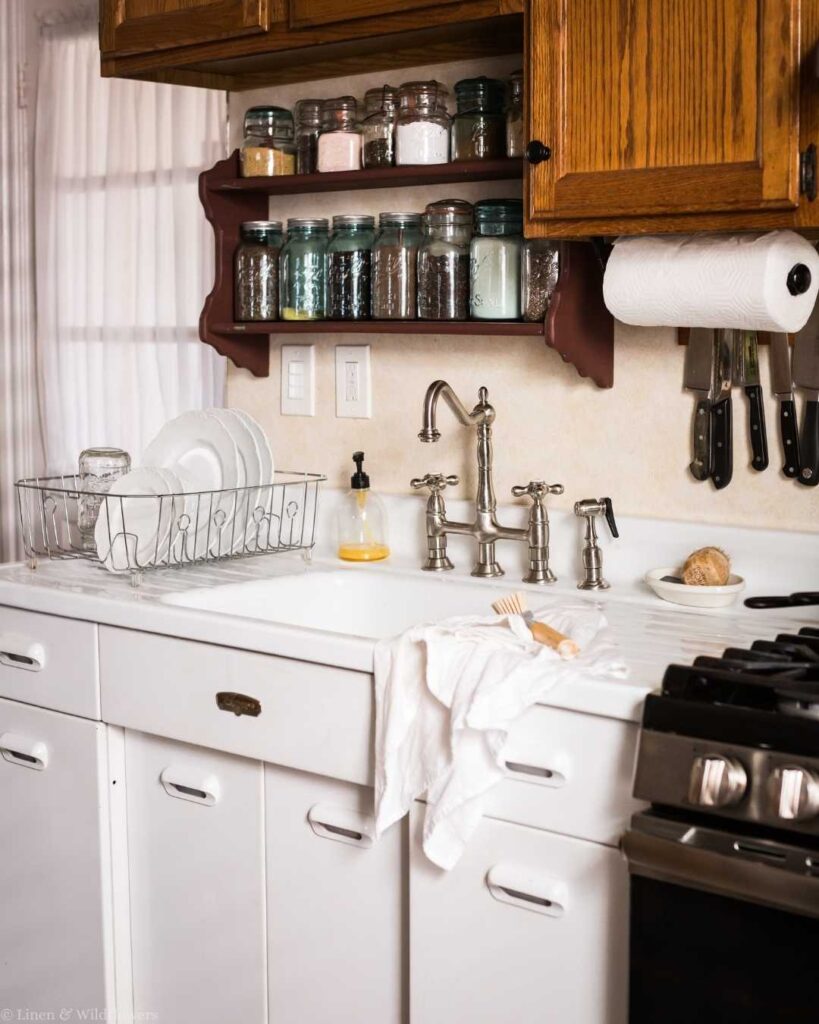
I’m inspired by English cottage kitchens with painted cabinets in soft blue or green, open shelving to display my favorite vintage dishes, and a cozy nook for enjoying my morning coffee. I want to rework the layout to create more counter space and improve the flow, with my butcher block island for extra workspace.
My hope is to blend everyday functionality with historic charm, and every detail, from antique-style lighting to beautiful butcher block counter tops, that will reflect the warmth and personality of our home.
We’ve already taken a step in the right direction by adding my dream vintage farmhouse sink, which instantly brought in that old-house charm I love so much.
The Attic (A Little Creepy)
I’ll be honest, I don’t go up there alone! But it’s the most untouched part of the house, with original windows, plaster, and floors.
The Train Nearby
Living close to the tracks means occasional late-night train horns. It’s not ideal, but it’s part of the experience. Honestly, we have gotten used to it, and it doesn’t even bother us anymore.
Projects & Updates Over the Years
Our First Project: The Mudroom Laundry Space
We transformed a simple mudroom into a functional laundry room, and it has made daily life so much easier.
Living & Dining Room
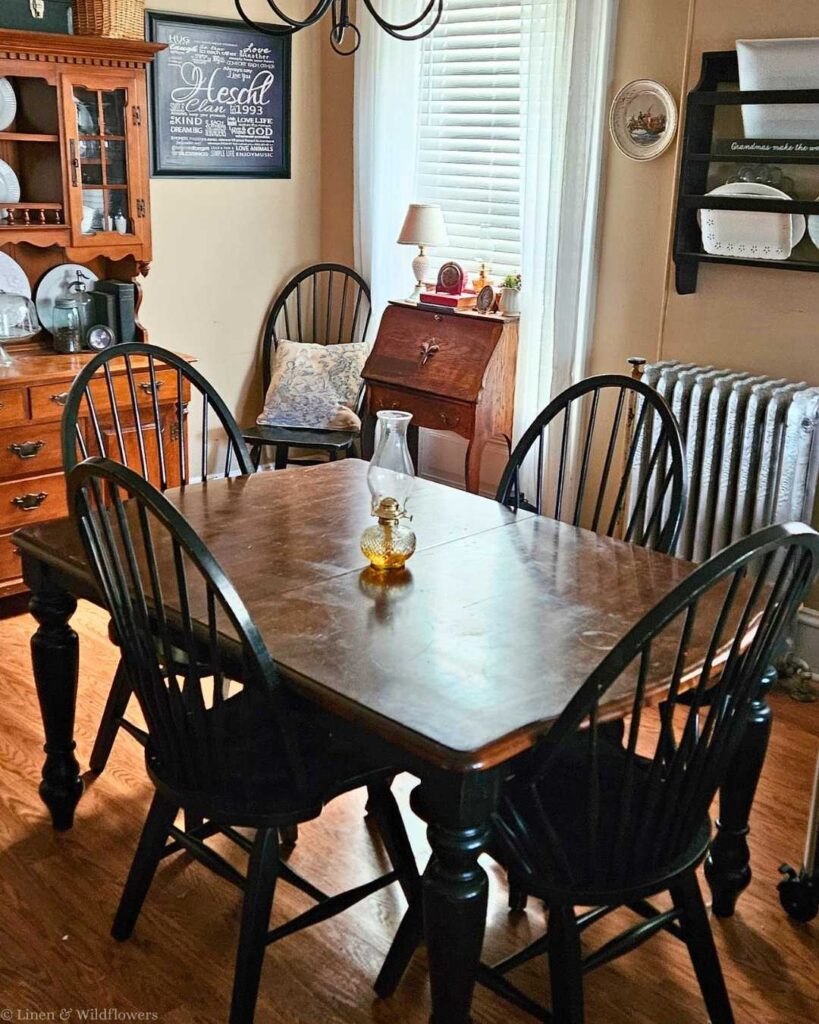
Though it’s an open concept (not my favorite), we’ve created two distinct, cozy spaces using furniture and layout.
Flooring Update
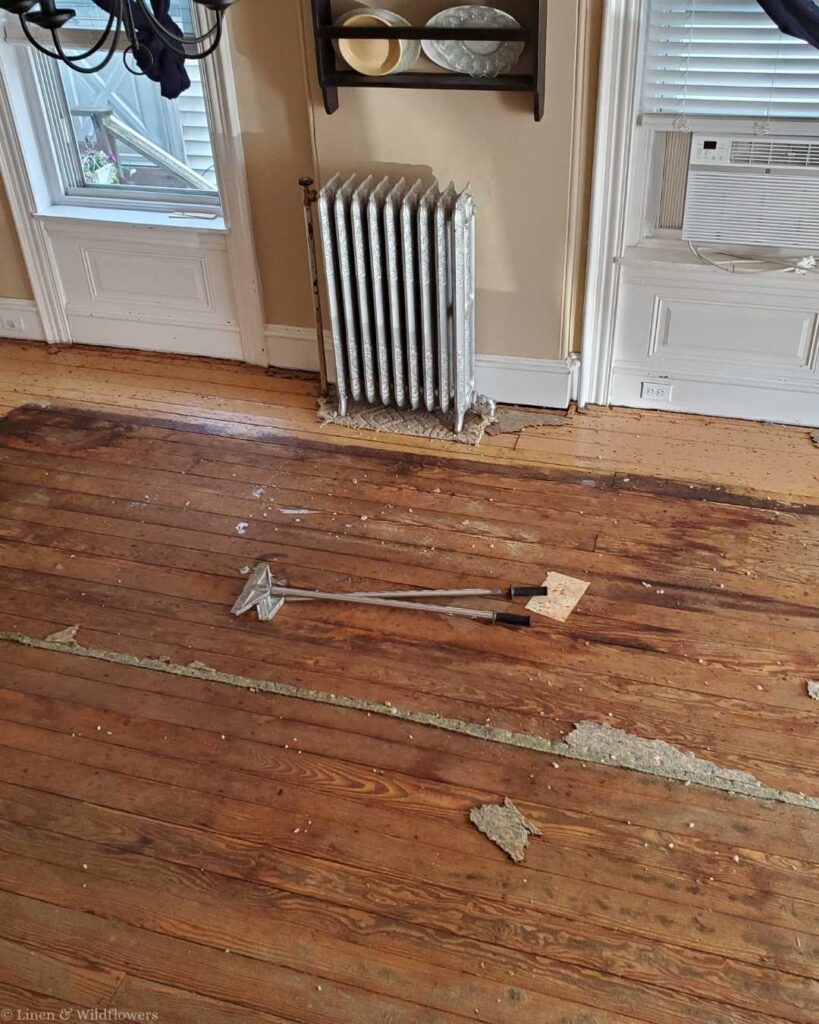
When we moved in, it had wall-to-wall carpet. We lived with that for about a year and decided to remove the carpet and see if we could restore the original hardwood floors.
Unfortunately, the original floors were too damaged to restore, so we installed vinyl plank flooring, and I truly love how it turned out.
Our Backyard & Outdoor Challenges
Our yard is small and lacks privacy, but we hope to add fencing someday.
We’ve also faced:
- A cracked patio (with a possible cistern underneath—yikes!)
- Losing a beautiful maple tree to lantern flies
- Limited parking, which led us to install a driveway
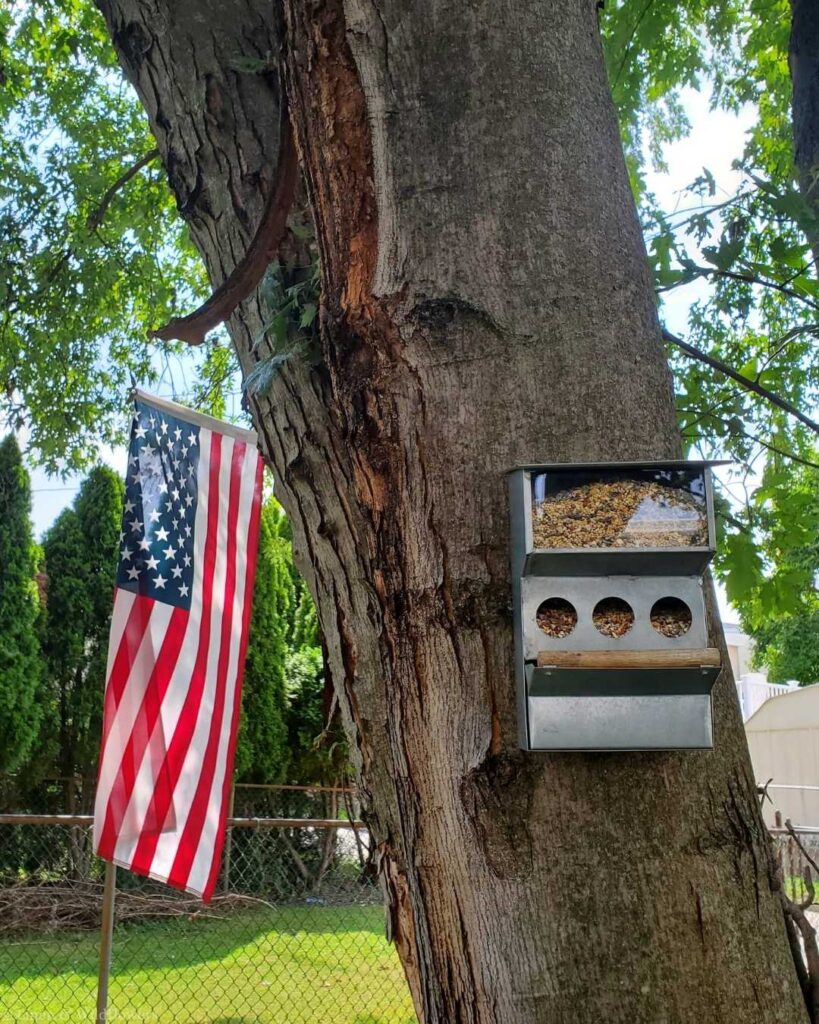
Still, our crape myrtle tree blooms beautifully every summer, and it’s something I look forward to every year. We’ve tried to make the most of this little outdoor space by adding container gardens, hanging flower baskets, and cozy seating, like a small bench and a table.
Is This Our Forever Home?
While we love this home, it’s not our forever home. As our children grow and move into their own lives, we plan to downsize.
I dream of a smaller home, maybe a ranch, with land, a large porch, and room to slow down and enjoy life. But no matter where we go next, this home will always hold a piece of our story.
A Little History from 1885
Fun fact: In 1885, Grover Cleveland became the first Democrat elected after the Civil War, the same year our home was built!
Homes from this era were often modest, with a few rooms downstairs and a handful of bedrooms upstairs. By the late 1800s, indoor plumbing was just beginning to appear in homes.
More Posts You’ll Fancy!
Frequently Asked Questions
What Living in an 1885 Home Has Taught Us
- Creating memories matters more than perfection
- Patience with projects
- Appreciation for craftsmanship
- Learning to embrace imperfections
Final Thoughts: Why We Love Old Homes
Living in an 1885 historic home isn’t always easy, but it’s meaningful.
It’s about:
- Honoring the past
- Embracing imperfections
- Creating a warm, welcoming space
- Building a lifetime of memories
And for me, that’s what truly makes a house a home.
Do you live in an older home or dream of owning one someday? I’d love to hear your story in the comments.